Introduction
Anticipation for a new Quentin Tarantino film always runs high, and with Django Unchained, the acclaimed director plunges headfirst into the Western genre. While stylistically a spaghetti Western, geographically, it's a "Southern," offering a fresh take on familiar tropes. This three-hour epic promised a return to form, and for fans of Tarantino's distinctive vision, it delivers a brutal, exhilarating ride.
The Lead Dynamic & The Action
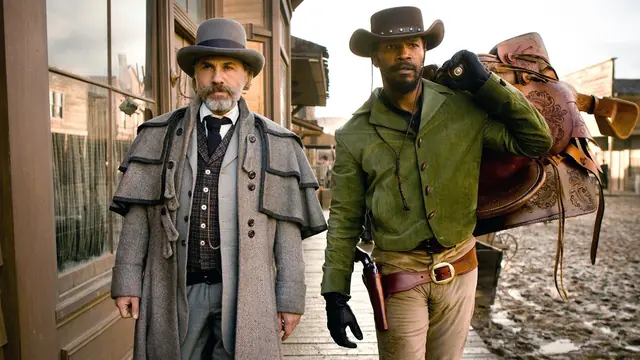
At the heart of the film is Jamie Foxx as Django, a slave transformed into a formidable bounty hunter under the mentorship of the charismatic Christoph Waltz. Witnessing Django's evolution from a timid, oppressed man to a confident, quick-drawing badass is genuinely compelling. The action is pure Tarantino: over-the-top, "Mortal Kombat"-esque violence where pistols send men flying through walls. It's a spectacle that, for many, simply puts a smile on their face. The film embraces its brutality without apology, a hallmark of Tarantino's filmmaking that sets him apart. He crafts content without fear of social acceptability, a rare and commendable trait in today's cinematic landscape.
Cameos, Nostalgia & Narrative Stakes
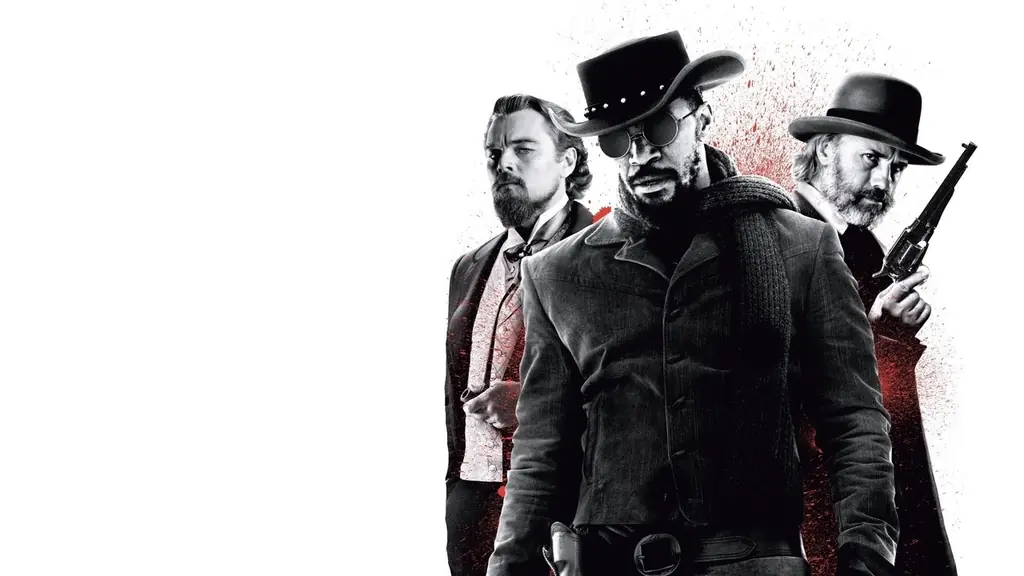
Django Unchained is packed with scene-stealing performances. Leonardo DiCaprio delivers a shocking turn as a truly despicable slave owner, a role that initially feels like a culture shock for the Hollywood golden boy, yet he clearly relishes every moment. But it's Samuel L. Jackson who arguably out-dicks even DiCaprio, portraying a "trusty" house slave whose villainy is so profound it rivals the primary antagonist. The dynamic between Foxx, Waltz, DiCaprio, and Jackson is a masterclass in acting, with each performer vying for dominance in every shared frame. While some might argue the film's length drags, it's difficult to pinpoint a single scene that could be cut without diminishing the overall experience. Every moment, however extended, feels essential to the narrative's sprawling ambition.
Tone, Direction & Creative Freedom
Quentin Tarantino's direction is as unapologetic as ever. He crafts a world where the cast, including Kerry Washington, Walton Goggins, and James Remar, visibly revels in their roles, bringing an infectious energy to the screen. The film balances its grim subject matter with moments of dark humor and stylized action, a testament to Tarantino's unique tonal control. This is a director given the freedom to execute his vision without compromise, resulting in a film that is distinctly, gloriously his own.
The Final Verdict
Django Unchained is a bloody good time, especially for those who appreciate Quentin Tarantino's signature blend of sharp dialogue, unforgettable characters, and extreme violence. It's a quest for revenge, justice, and liberation that delivers on all fronts. If you're a Tarantino fan, prepare for an "awesometacular" experience that will leave you as thrilled as a kid on Christmas morning.
What Worked
- Jamie Foxx's compelling transformation from slave to bounty hunter.
- Christoph Waltz's charismatic and scene-stealing performance.
- Leonardo DiCaprio's surprisingly villainous and impactful role.
- Samuel L. Jackson's unforgettable, scene-dominating portrayal.
- Unapologetic, stylized violence and sharp, engaging dialogue.
What Didn't Work
- Pacing might test the patience of viewers unaccustomed to longer films.
- Some moments of brutality are intentionally difficult and uncomfortable to watch.
- The "Southern" setting, while unique, might initially defy traditional Western expectations.