Introduction
Sometimes a film comes along that defies expectations, even if those expectations were initially non-existent. Such is the case with Dolphin Tale, a movie that, on paper, might seem like just another family-friendly flick. Yet, from the moment the story unfolds, it becomes clear this isn't just a throwaway. It's a surprisingly heartfelt journey that manages to charm even the most jaded viewer, proving that sometimes, a simple story told well is all you need.
The Lead Dynamic & The Action
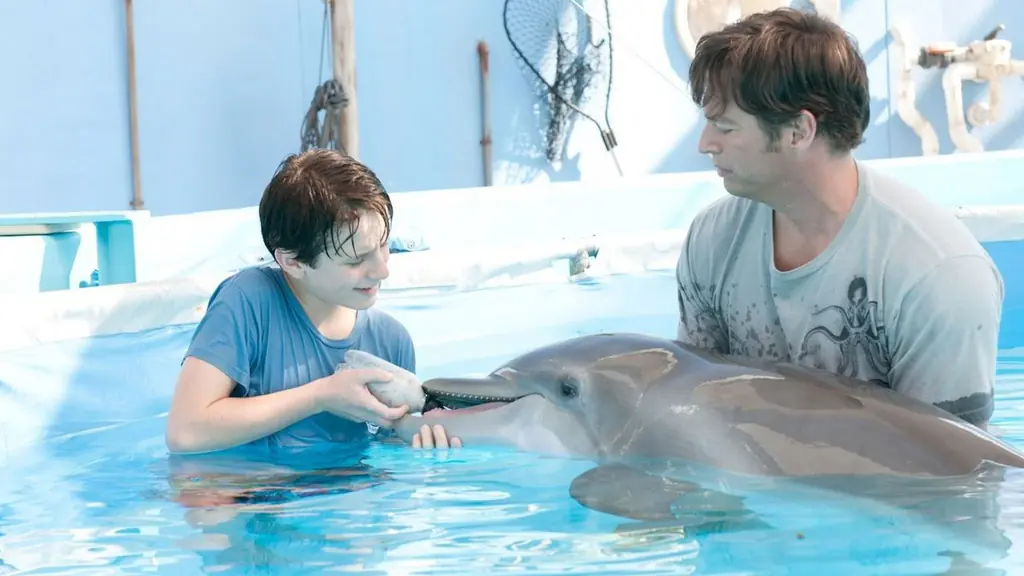
At its core, Dolphin Tale introduces us to a solitary, daydreaming kid, a familiar archetype who finds himself in summer school, much like many of us once did. His life takes an unexpected turn when he discovers a dolphin, its tail entangled in rope, stranded on a beach. This leads the dolphin to a rehabilitation center run by Harry Connick Jr., and thus begins a remarkable bond between the boy and the injured creature. While the premise might sound undeniably cheesy, and in moments it certainly leans into that "Hallmark movie" territory, the film executes its heartfelt narrative with genuine skill. It's a family movie that understands its audience, delivering emotional beats effectively without feeling overly saccharine.
Cameos, Nostalgia & Narrative Stakes
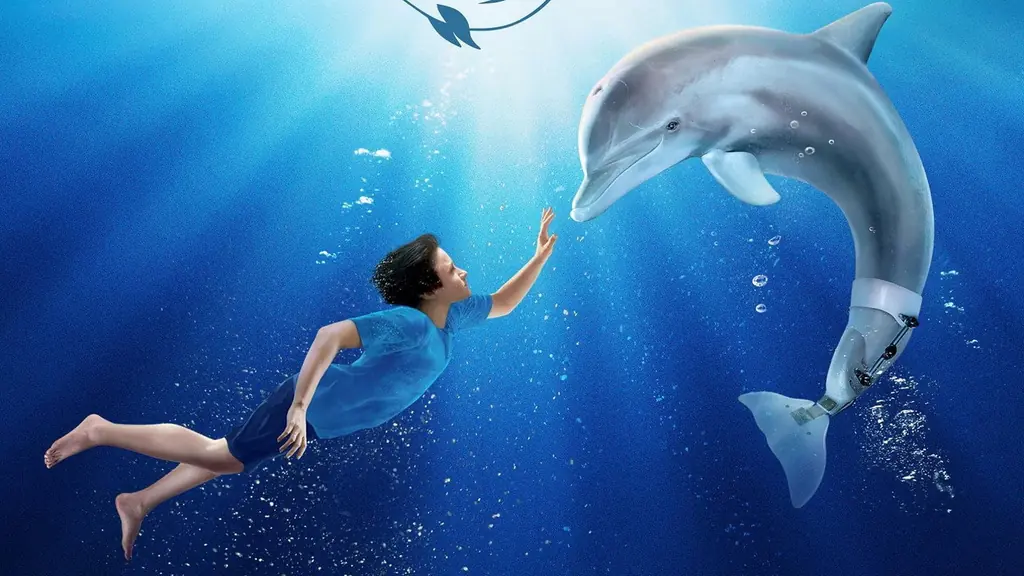
One of the film's delightful surprises comes in the form of Morgan Freeman. His presence immediately elevates the proceedings, and one can't help but imagine his character as a post-"Dark Knight Rises" Lucius Fox, now out of a job after Wayne Enterprises' stock plummeted. Regardless of the humorous fan theory, Morgan Freeman delivers a performance that is, as expected, excellent. The film truly shines in its ability to connect the dolphin's struggle to human experience. As the dolphin must adapt and survive after losing its tail, the narrative cleverly parallels this with human beings overcoming their own obstacles. It's a genuinely true and important message, delivered with sincerity, even if those "Hallmark" moments occasionally peek through. The film never loses sight of its core message of resilience and hope.
Tone, Direction & Creative Freedom
Charles Martin Smith directs Dolphin Tale with a clear vision, embracing its family-friendly tone without apology. While some might initially dismiss its earnestness, the film has a way of winning you over. It's the kind of movie that can take the most cynical person and, by its conclusion, leave them feeling genuinely moved. To remain unmoved would be to hate people who conquer obstacles, hate kids, and hate dolphins – and who could truly hate dolphins? A significant strength of the film, and a testament to its authenticity, is that it's based on a true story. This fact alone amplifies the "wow, that's really cool" factor. The end credits, featuring real footage of the events depicted, are a particular highlight, showcasing just how faithfully the movie captured the true story.
The Final Verdict
Dolphin Tale earns a strong recommendation as a genuinely good family movie. It's the kind of film that provides a wholesome, engaging experience without needing any artificial enhancements. While it might not tear you away from your high-octane video games, it certainly earns its stamp of approval. It's a heartwarming, inspiring tale that celebrates perseverance and the incredible bond between humans and animals, proving that sometimes, the simplest stories are the most powerful.
What Worked
- A genuinely heartfelt and inspiring true story
- Strong performances, particularly from Morgan Freeman
- Delivers a powerful message about overcoming adversity
- Engaging end credits featuring real-life footage
- A truly good and wholesome family viewing experience
What Didn't Work
- Can lean into "Hallmark movie" cheesiness at times
- Might not appeal to viewers seeking more complex narratives
- Pacing occasionally feels a bit slow for some audiences