Introduction
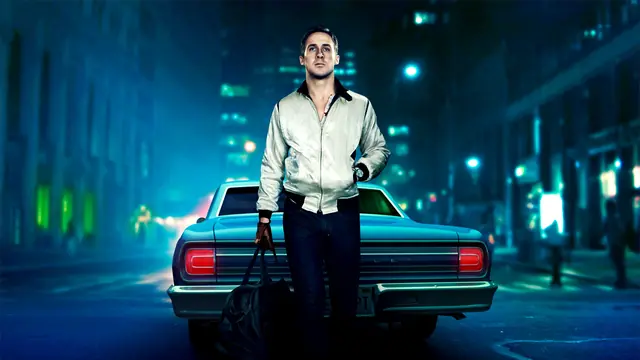
From the moment the engine revs, Drive promised a white-knuckle ride. Audiences were primed for a high-octane thriller, especially with Ryan Gosling behind the wheel as a mysterious driver—stuntman by day, getaway specialist by night. The opening minutes are an absolute masterclass in tension, establishing the driver's meticulous rules: a strict five-minute window, no guns, just the craft of driving. This initial sequence is so compelling, so perfectly executed, it’s hard to imagine anyone not being instantly hooked, convinced they’re in for a relentless, adrenaline-fueled journey.
The Lead Dynamic & The Action
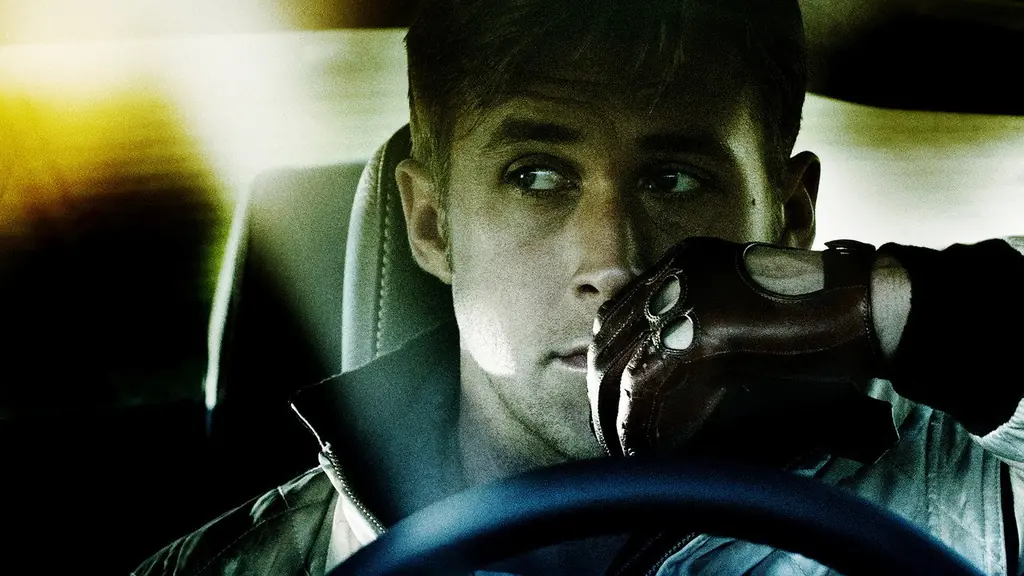
Yet, after that electrifying start, Drive deliberately shifts gears, slowing to a crawl that might surprise many. While the film is undeniably well-acted, with Ryan Gosling delivering a perfectly stoic performance as a man of few words but immense, simmering intensity—a man who could "snap your neck with his pinky"—the action itself becomes sparse. The film’s two main driving sequences, both prominently featured in the trailers, punctuate a narrative largely focused on the quiet, almost wordless interactions between Gosling’s character and Carey Mulligan’s Irene. His silent stares and understated presence convey a constant, underlying menace, making him a compelling, if enigmatic, figure. The film excels in portraying this internal tension, even if it sacrifices external thrills.
Cameos, Nostalgia & Narrative Stakes
The narrative of Drive isn't driven by a series of escalating action set pieces, but rather by its deliberate, almost meditative pace. This isn't a film that relies on fan service or a parade of familiar faces to carry its story, though the ensemble cast including Bryan Cranston, Albert Brooks, and Oscar Isaac is uniformly strong. Instead, the stakes are deeply personal and character-driven, unfolding through quiet moments and unspoken threats. The film’s commitment to this slow-burn approach means that while the acting and cinematography are consistently excellent, the plot progression can feel glacial for those expecting a more traditional thriller. It’s a film that prioritizes mood and character study over a rapidly advancing storyline, which can lead to moments of genuine boredom for some viewers.
Tone, Direction & Creative Freedom
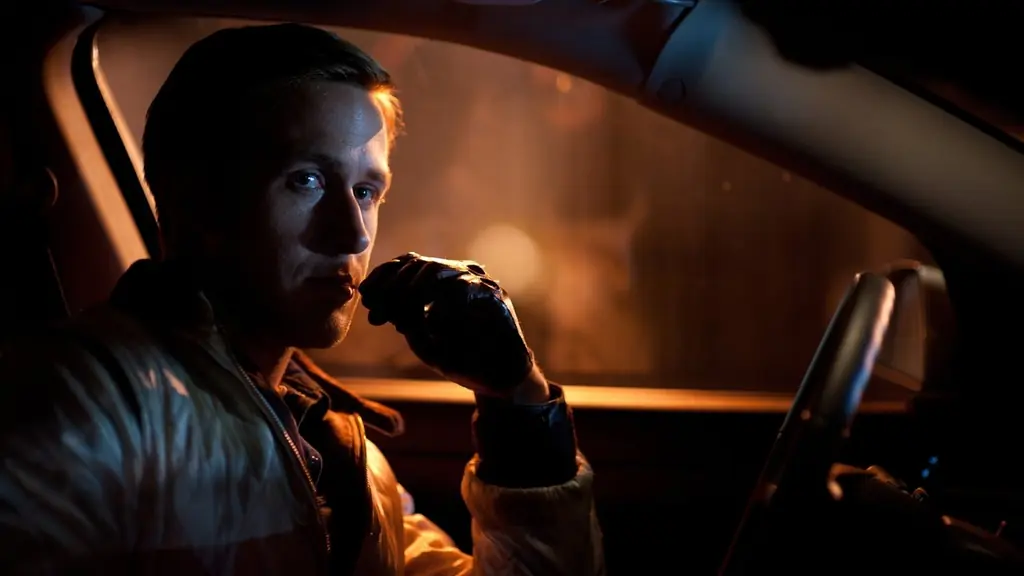
Under the direction of Nicolas Winding Refn, Drive fully embraces its arthouse sensibilities. The film is beautifully shot, with a distinct neon-soaked aesthetic and a pulsating synth-heavy soundtrack that defines its unique atmosphere. This is a director given the freedom to craft a specific vision, and it shows in every frame. However, this artistic commitment means the film often prioritizes style and mood over conventional pacing. It’s a movie that demands patience, rewarding those who appreciate its deliberate rhythm and visual storytelling. For others, this artistic choice might translate into a viewing experience that feels less like a thriller and more like a prolonged, stylish stare.
The Final Verdict
Ultimately, Drive is a film that divides. Its initial promise of a relentless action flick gives way to a slow, brooding character study wrapped in a stylish, violent package. While impeccably acted and visually striking, its deliberate pacing and limited action sequences mean it won't be for everyone. If you appreciate arthouse cinema with a strong sense of atmosphere and a compelling, enigmatic lead performance, you’ll likely champion Drive to your dying breath. If you’re looking for non-stop thrills, however, you might find yourself checking your watch.
What Worked
- Electrifying and intense opening sequence.
- [[person:30614|Ryan Gosling]]'s compelling, stoic, and menacing performance.
- Consistently strong acting from the entire ensemble cast.
- Visually stunning cinematography and unique aesthetic.
What Didn't Work
- Pacing slows drastically after the initial hook.
- Limited action sequences, with most shown in trailers.
- Can be boring for viewers not accustomed to arthouse films.