Introduction
When Christopher Nolan announced his take on the historic World War II evacuation, anticipation was sky-high. Dunkirk promised a visceral, true-to-life account of soldiers stranded on a French beach, surrounded by enemy forces, with the ocean as their only, treacherous escape route. The premise alone set the stage for an intense, high-stakes cinematic experience, drawing audiences in with the promise of Nolan's signature spectacle.
The Lead Dynamic & The Action
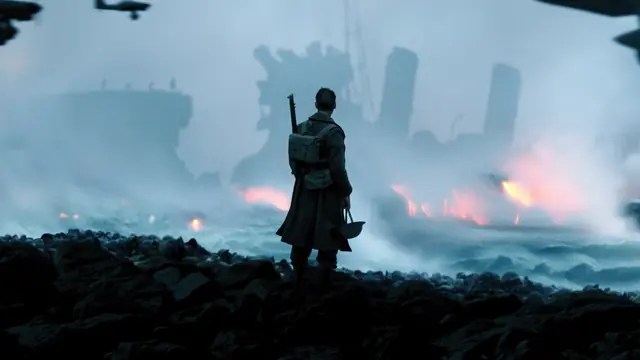
From the opening frame, Dunkirk is undeniably gorgeous. Experiencing it in IMAX amplifies the visual grandeur, with action scenes expanding to fill the massive screen, creating an immersive spectacle. The sound design is equally remarkable; every gunshot resonates with startling realism, and the ominous roar of incoming planes feels like "dragons in the air," making you feel truly present in the chaos. The film excels at creating intense moments, particularly the recurring peril of drowning, which, while effective initially, can become somewhat repetitive. This is a movie that prioritizes a realistic, almost documentary-style portrayal of war, eschewing glorified action for a grittier, more authentic feel.
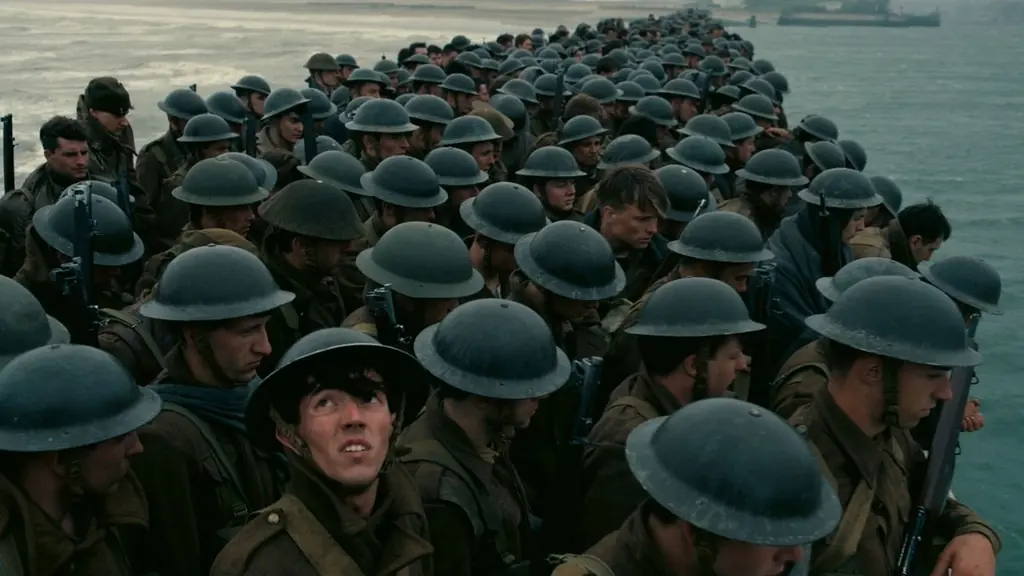
However, this commitment to realism comes at a significant cost: character. The film features "people in peril," but struggles to present them as fully realized characters. With minimal dialogue and a focus on the collective struggle, it becomes difficult to grasp individual motivations or backstories. We see "a lot of average looking white dudes with dark hair," making it hard to distinguish one soldier's plight from another. Without knowing if they have "wives at home" or "girlfriends," or even if they're "serial killers," the emotional stakes for individual lives remain frustratingly low. The film expects audiences to care about the situation, but without personal anchors, that connection often feels superficial.
Cameos, Nostalgia & Narrative Stakes
The narrative structure of Dunkirk attempts to show the same events from different perspectives—land, sea, and air—but this approach, combined with editing that can feel "messy," often leads to a sense of repetition rather than revelation. Audiences might find themselves thinking, "I feel like I've seen this scene before," as the film cycles through similar scenarios. While this technique aims for a comprehensive view of the evacuation, it inadvertently contributes to a lack of narrative momentum and character progression. The film's ambition is clear, but its execution can leave the audience feeling unfocused, struggling to latch onto a compelling story arc beyond the immediate survival.
Tone, Direction & Creative Freedom
Christopher Nolan's direction leans heavily into a realistic portrayal of survival in a war zone. This commitment to authenticity means the film often feels less like a traditional war epic and more like a stark, unvarnished account. While the intense scenes are indeed intense, much of the movie progresses with very little dialogue, mirroring the mundane, terrifying reality of waiting and enduring. The argument that "realistic doesn't necessarily make good" rings true here. Just as a police movie focused solely on paperwork might be realistic but boring, Dunkirk's relentless realism, without the emotional payoff of character investment, can lead to a slow and disengaging experience. The film looks "great," but as the reviewer notes, a "great-looking movie doesn't make for a good movie" if it lacks depth and connection.

The Final Verdict
Dunkirk is a visually stunning and audibly immersive experience, a technical achievement that places you squarely in the heart of a historical crisis. The standout performance from Mark Rylance offers a rare glimpse of human connection amidst the chaos. However, the film's deliberate choice to minimize character development and dialogue, coupled with a sometimes repetitive structure, results in a slow and emotionally distant viewing. It's an ambitious film, but one that ultimately feels unfocused in its storytelling, leaving many viewers, like this critic, feeling like "weirdos" for not fully embracing its acclaimed brilliance. While it excels as a spectacle, it struggles to forge a lasting emotional bond.
What Worked
- Visually stunning cinematography and IMAX experience
- Immersive and realistic sound design
- Intense, realistic depiction of war and survival
- Mark Rylance's standout performance
What Didn't Work
- Lack of character development and dialogue
- Difficult to connect emotionally with the soldiers
- Repetitive narrative structure and messy editing
- Pacing issues, leading to moments of boredom