Introduction
The concept of an escape room has captivated thrill-seekers for years, offering a blend of mental challenge and adrenaline. Escape Room takes this popular pastime and twists it into a deadly game, plunging a group of strangers into a series of elaborate, lethal puzzles. The premise immediately brings to mind the "death trap" subgenre, drawing comparisons to films like "Saw 5" – a clear indicator of the high-stakes, puzzle-driven horror awaiting audiences.
The Lead Dynamic & The Action
While the film's core appeal lies in its inventive puzzles, the characters navigating them often prove to be its weakest link. Many come across as bafflingly unintelligent, making choices that defy basic human curiosity. One character, for instance, laughs at another running into an invisible wall, completely bypassing the natural human instinct to question such an impossible event. This lack of believable reactions can pull viewers out of the experience. However, when the film focuses on the actual puzzles, it truly shines. These challenges are often "pretty clever, pretty fun," allowing the audience to play along and often figure out the solutions before the characters do, creating an engaging, interactive viewing experience.
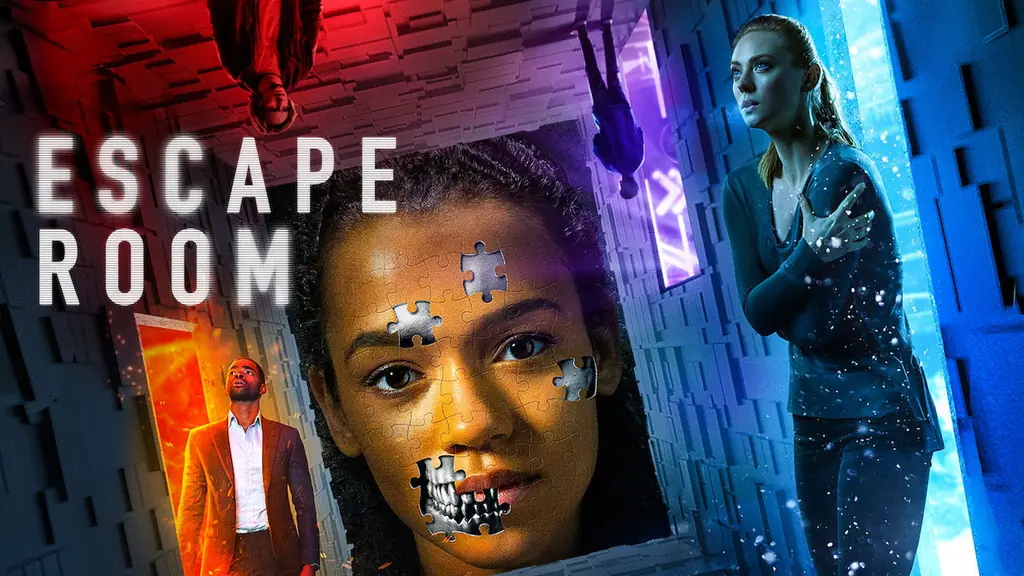
Cameos, Nostalgia & Narrative Stakes
Escape Room attempts to weave in more sophisticated themes, but its execution often falls flat. The film struggles to be as "smart as it wants to be," leading to moments where its attempts at depth feel forced and poorly handled. There's a clear disconnect between a neat concept and its successful realization, proving that even the most intriguing ideas require solid execution to truly resonate. When the film tries to "over complicate things," it risks losing the audience's investment, making them want to "check out" rather than engage.
Tone, Direction & Creative Freedom
Director Adam Robitel navigates a tricky balance between straightforward thrills and narrative ambition. The film is "remarkably enjoyable" when it embraces its simple, high-concept premise, delivering tense, puzzle-driven sequences. However, when it veers into more complex territory, the pacing can falter, and the narrative feels less cohesive. This suggests a film that might have benefited from either fully committing to its simpler, more effective elements or finding a more robust way to integrate its loftier ideas.
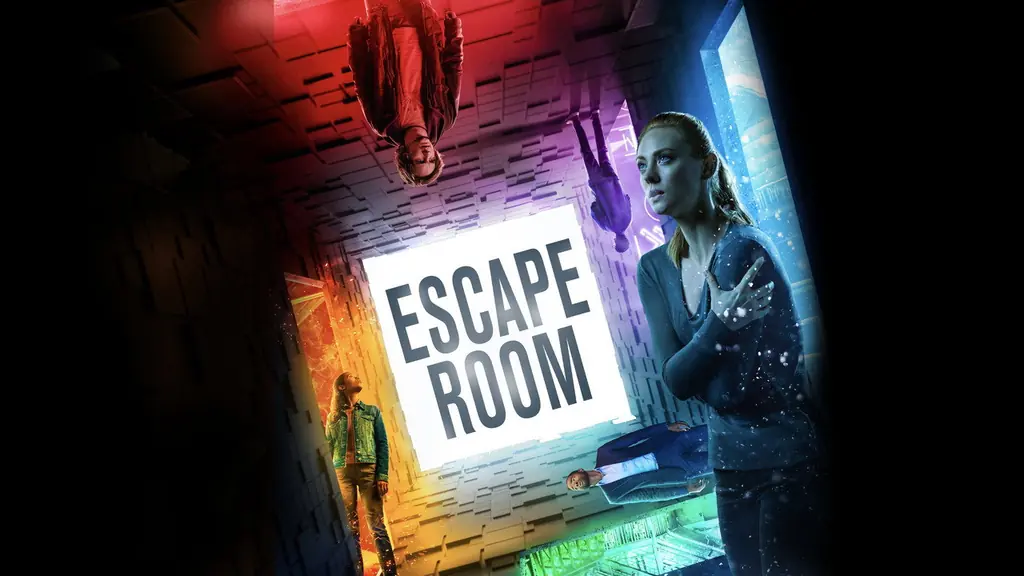
The Final Verdict
Ultimately, Escape Room is a film best approached with a sense of fun rather than a critical eye. It's a "better time if you're drunk," as one might say, highlighting its appeal as a casual, entertaining watch. While it may not be the most intelligent thriller on the market, its inventive puzzles and high-stakes premise offer enough thrills to keep audiences engaged, especially those who enjoy trying to solve the mystery alongside the characters. It's a solid January release that delivers more than expected, even if it doesn't quite reach its full potential.
What Worked
- Inventive and engaging puzzles
- High-stakes, thrilling premise
- Often more enjoyable than expected
- Allows audience participation in solving puzzles
What Didn't Work
- Unbelievable and often unintelligent characters
- Struggles with sophisticated themes
- Execution of complex ideas falls flat
- Not as "smart" as it aims to be