Introduction
The 2013 remake of Evil Dead burst onto the scene with a singular, blood-soaked mission: to drag horror back to its grimy, visceral 80s roots. In an era often dominated by polished CGI and predictable jump scares, this film promised a defiant return to practical effects, uncompromising gore, and relentless brutality. The premise itself is a familiar, almost comforting, horror staple: five friends venture to a remote, dilapidated cabin in the woods, stumble upon a cursed book, and inadvertently unleash an ancient, malevolent evil. This setup, while classic, knowingly plays into established genre tropes, even drawing immediate comparisons to meta-horror deconstructions like Cabin in the Woods. However, where some films might offer a knowing wink or a self-aware nod, Evil Dead simply grinds its teeth, ready to deliver a relentless, unadulterated assault on the senses. It’s a film that understands its legacy and aims not just to honor it, but to amplify its most disturbing elements for a new generation of horror aficionados.
The Lead Dynamic & The Action
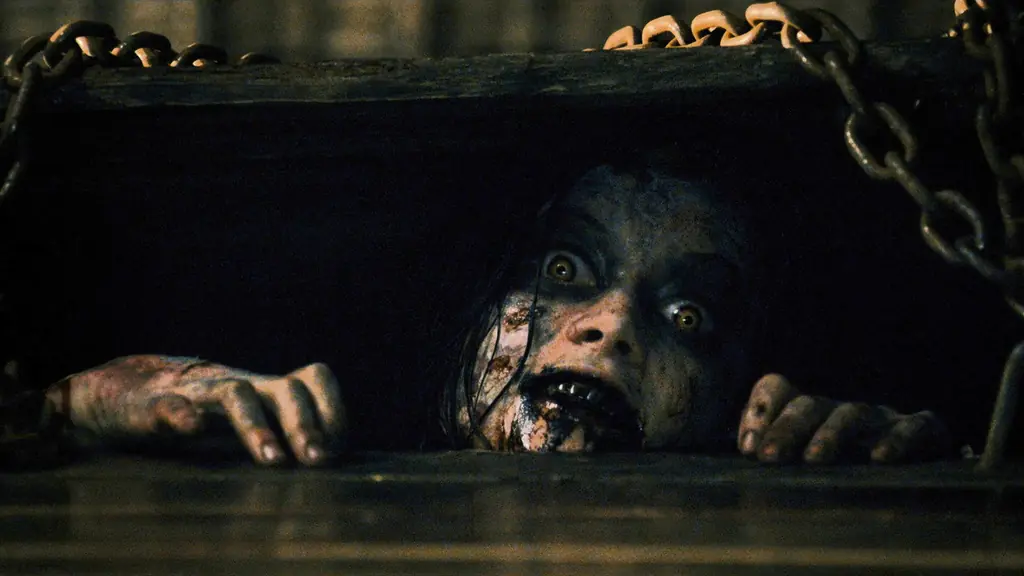
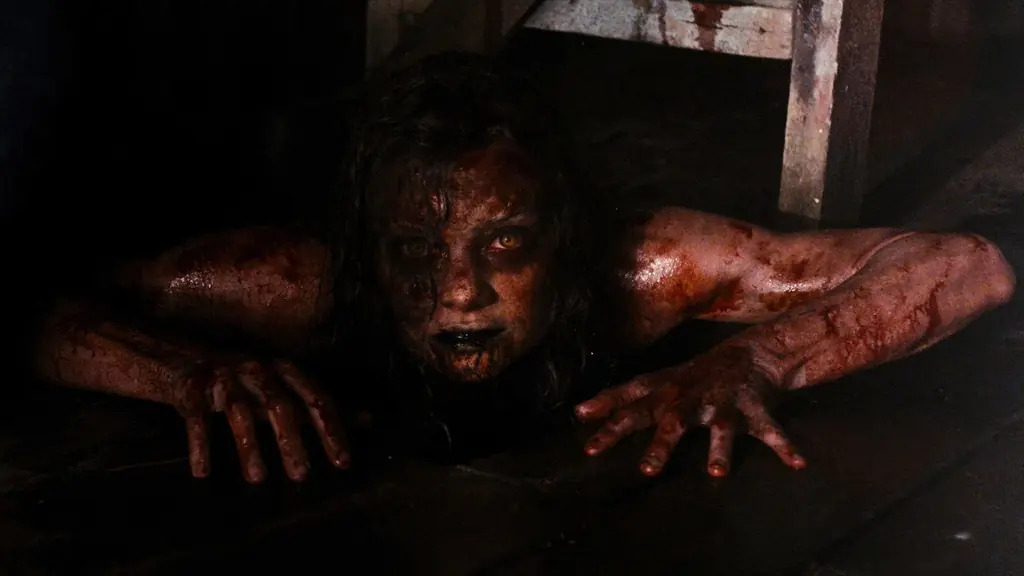
Character development in Evil Dead isn't about crafting deep emotional arcs or complex backstories; it's about establishing targets for the ensuing torment. The film wastes little time introducing its cast, including Jane Levy as Mia, the troubled protagonist, and Shiloh Fernandez as David, her estranged brother, before plunging them into unimaginable torment. While the initial dialogue serves to quickly sketch out their relationships, it swiftly gives way to screams, pleas, and guttural roars of demonic possession. The film's true "dynamic" lies not in interpersonal chemistry, but in the escalating horror and the sheer, inventive brutality unleashed upon the group. From the moment the demonic entity takes hold, the action is less about choreographed fights and more about a desperate, losing battle for survival against overwhelming, grotesque forces. The film doesn't shy away from showing truly messed-up things happening to these people. One particularly memorable and stomach-churning sequence involves a nail gun, proving that some tools are best left out of the hands of the demonically possessed. This isn't "torture porn" in the vein of Saw or Hostel, where the gimmick is solely the act of torture itself. Instead, it’s a relentless onslaught of disturbing imagery and physical torment that makes other horror films seem almost tame by comparison. The characters are effectively trapped, not by flimsy excuses, but by a compelling and believable narrative device: Mia's severe drug detox. Her initial, frantic cries of a demonic presence are easily dismissed by her friends as mere withdrawal symptoms, ensuring the group remains isolated and ripe for the picking, unable to escape the cabin's terrifying grip. This clever setup ensures the audience understands why they can't simply leave, adding a layer of frustrating realism to their predicament.
Cameos, Nostalgia & Narrative Stakes
The narrative stakes in Evil Dead are refreshingly straightforward and primal: survive the night. There are no convoluted backstories, no excessive cameos, and no distracting subplots to detract from the immediate, terrifying threat. The film's central catalyst, the reading of the infamous Book of the Dead, is perhaps its most baffling character decision, yet one that is essential to the plot. One can only wonder why an apparently educated individual would ever open a tome bound in human flesh, adorned with satanic imagery, and then proceed to read from it aloud. It’s a moment that defies logic, but the ensuing chaos quickly makes such questions secondary. Yet, this suspension of disbelief is a small price to pay for the relentless, escalating horror that follows. The film understands its core purpose: to deliver a brutal, unyielding experience. It doesn't attempt to be groundbreaking in its storytelling or to reinvent the wheel; rather, it serves as a faithful, albeit far more extreme and graphic, homage to the visceral horror of the 80s. The pacing is swift and unforgiving, ensuring that once the evil is unleashed, the audience is rarely given a moment to breathe. This direct approach, focusing squarely on the terror, allows the film to avoid many of the pitfalls that often plague remakes, instead leaning into its strengths with unapologetic conviction.
Tone, Direction & Creative Freedom
Under the precise and unflinching direction of Fede Álvarez, Evil Dead embraces a tone of unyielding dread and profound physical horror. The film's unwavering commitment to practical effects over CGI is a standout achievement, lending a tangible, gruesome quality to every dismemberment, every possession, and every horrifying transformation. This dedication ensures that the violence feels real, impactful, and deeply unsettling, rather than artificial or detached. While the film might not be "scary" in the traditional sense of jump scares or psychological terror, it is undeniably disturbing on a profound level. The sheer level of brutality inflicted upon the characters is genuinely shocking, pushing boundaries and making viewers squirm in their seats. This isn't a film that pulls its punches or shies away from the grotesque; it revels in its gore, delivering a relentless barrage of unsettling visuals that linger long after the credits roll. Álvarez was clearly given the creative freedom to go wild, and the result is a film that feels raw, uncompromising, and deeply unsettling. It’s a powerful testament to the enduring power of practical effects in creating truly memorable, stomach-churning horror that connects with an audience on a primal, visceral level, distinguishing itself from many of its contemporaries.
The Final Verdict
Ultimately, Evil Dead delivers precisely what it promises with a blood-soaked grin. It's not a groundbreaking narrative, nor is it designed to be a profound cinematic statement. Instead, it's a full-throttle throwback to a bygone era of horror, where practical effects reigned supreme and gore was king. For those who crave a relentless, disturbing, and brutally effective horror experience, this film is an absolute must-see. It’s a genuinely "good time," especially for the dedicated gore hound looking for a modern film that truly captures the raw, uncompromising spirit of 80s horror without relying on cheap digital tricks. Prepare for a ride that is less about fear and more about sheer, visceral shock.
What Worked
- Excellent use of practical effects and gore.
- Successfully captures the spirit of 80s horror.
- Relentless, disturbing, and brutal imagery.
- Clever plot device to keep characters trapped.
- Avoids excessive CGI.
What Didn't Work
- Not particularly "scary" in a traditional sense.
- Weak character development and forced dialogue.
- Questionable character decisions (reading the book).
- Focuses on brutality over emotional connection.