Introduction
Anticipation for F1 has been sky-high, especially with Joseph Kosinski, the visionary behind "Top Gun: Maverick," at the helm. The promise was clear: if Kosinski could deliver that same visceral, in-cockpit intensity from fighter jets to race cars, audiences were in for a treat. And from the opening frame, F1 delivers on that promise, plunging viewers into the heart of the action with an immediate, undeniable energy that rarely lets up.
The Lead Dynamic & The Action
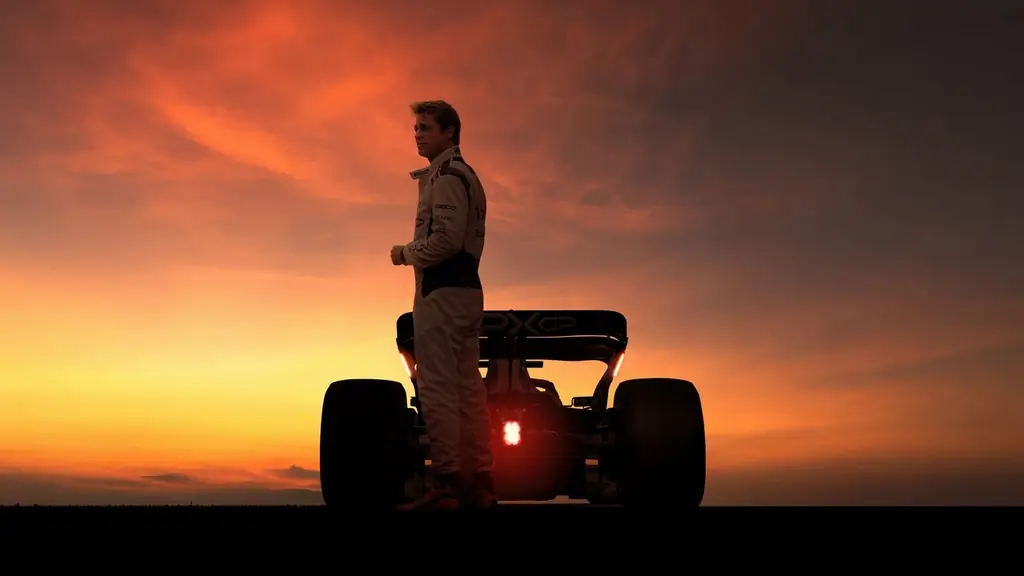
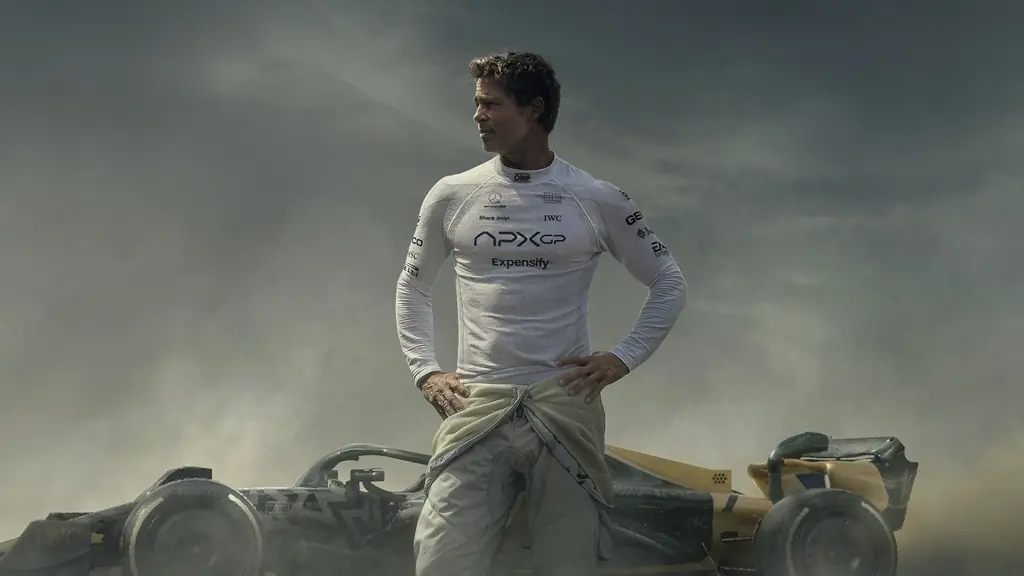
At the core of F1 is the compelling dynamic between an aging legend and a rising star. Brad Pitt embodies Sonny Hayes, an old-school hotshot racer whose "old cool guy energy" brings a different kind of gravitas to the track. He's brought in by a struggling team, owned by Javier Bardem's character, to mentor the young, ambitious Joshua Pierce, played with surprising depth by Damson Idris. What could have been a simple protagonist-antagonist setup evolves into a more nuanced relationship between "two protagonists who need to learn to work together." The performances, including a solid turn from Kerry Condon, are universally strong, adding significant weight to the narrative.
But let's be honest, the races are why most are here, and they are nothing short of spectacular. Kosinski's direction ensures they are "amazing, intense, and visceral." Multiple cameras placed strategically in the cockpits immerse the audience directly onto the track, making you feel every turn, every acceleration, every near-miss. It's a testament to the film's commitment to realism, proving once again that "there's no substitute for the real thing." The only minor stumble is a single, oddly out-of-place CGI scene involving people walking, which momentarily breaks the otherwise seamless illusion of authenticity.
Cameos, Nostalgia & Narrative Stakes
F1 masterfully balances its high-octane racing with a surprisingly engaging character drama. The story delves into themes of tough love, mentorship, redemption, and teamwork, all underscored by the inherent sacrifices of the sport. This isn't just a series of races; it's a journey of personal growth and professional challenge. The film's "racing to drama ratio" is expertly calibrated, ensuring that while the races are the main draw, the character arcs provide the necessary emotional ballast.
Clocking in at two and a half hours, F1 manages to keep audiences "locked in the entire time." While some might, upon reflection, feel a few race endings or narrative beats could have been slightly consolidated, the immersive experience in the theater is undeniable. The film's momentum is relentless, making any minor redundancies fade into the background as you're swept up in the thrill.
Tone, Direction & Creative Freedom
Joseph Kosinski once again demonstrates his unique ability to take a classic, fundamental character story and inject it with "new energy to make it feel rejuvenated and alive." He delivers "some damn good summer blockbuster fun" without sacrificing depth. The direction is confident, allowing the film to explore its emotional beats while never losing sight of its primary goal: delivering exhilarating racing action. This creative freedom results in a film that feels both familiar in its themes and fresh in its execution, a true cinematic blast.
The Final Verdict
F1 is an absolute blast, a powerful reminder of why we flock to movie theaters. It's a film that delivers on its promise of visceral, intense racing while unexpectedly drawing you into a compelling story of mentorship and redemption. This is the kind of big-screen spectacle that Hollywood needs more of, a truly "spectacular" experience that leaves you buzzing long after the credits roll.
What Worked
- Visceral, intense, and immersive racing sequences
- Strong performances from [[person:287|Brad Pitt]] and [[person:1837297|Damson Idris]]
- Compelling character drama with themes of mentorship and redemption
- Expertly balanced racing-to-drama ratio
- Engaging and relentless pacing despite its length
What Didn't Work
- One noticeable, out-of-place CGI scene
- Some race endings felt slightly redundant upon reflection
- The two-and-a-half-hour runtime might be a touch long for some