
Introduction
From the opening frames, Free Fire immediately stakes its claim as a spiritual successor to the gritty, dialogue-driven crime thrillers of early Tarantino or Guy Ritchie. What begins as a tense arms deal quickly devolves into an all-out, prolonged shootout, trapping its ensemble cast in a single warehouse location. The initial thought might be, "How long can this possibly last?" Yet, as the minutes tick by, it becomes clear: this relentless firefight is the movie, and it’s a surprisingly entertaining ride.
The Lead Dynamic & The Action
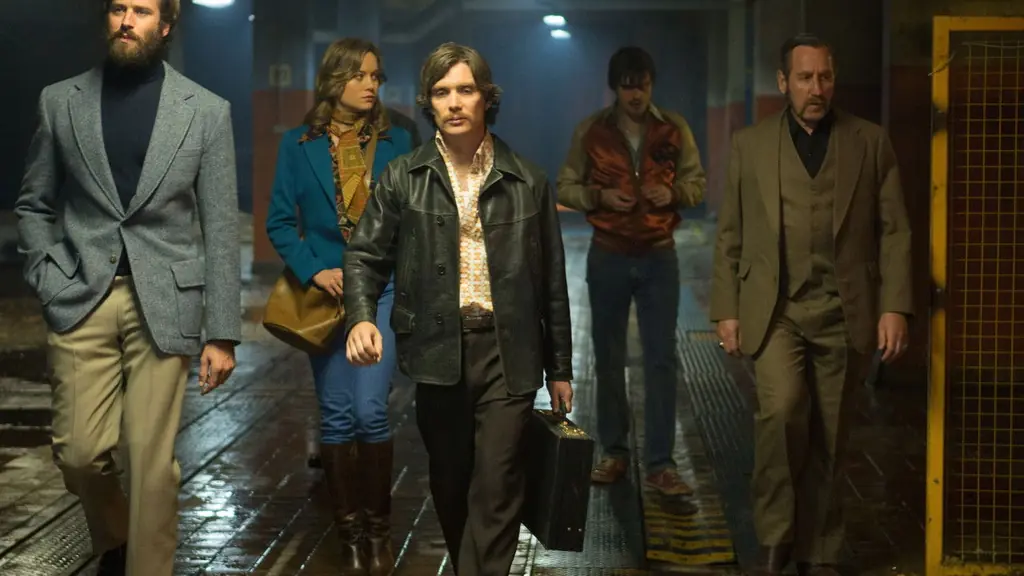
The film truly shines through its exceptional ensemble, particularly the standout performance from Armie Hammer. Shedding any lingering 'Lone Ranger' stigma, Hammer brings a magnetic charisma and a perfectly dry, sarcastic wit that becomes the film's comedic backbone. This isn't just a hail of bullets; it's a constant exchange of snarky remarks and venomous banter, sometimes friendly, often hostile. The genius lies in how the movie thrives on this dynamic, delivering chuckles and genuine humor even as bullets whiz past. While it might not deliver the gut-busting, morbid laughs of a "Marvin getting shot in the face" moment from Pulp Fiction, the consistent stream of witty dialogue keeps the energy high and the audience engaged.
Cameos, Nostalgia & Narrative Stakes
Unlike films that rely on intricate flashbacks or complex narrative twists to build character, Free Fire takes a different approach. There's no grand intrigue or "shock ending" to unravel; what you see is largely what you get. Instead, the film masterfully uses the intense, confined firefight to strip away pretense and reveal the true personalities of its combatants. It's a raw, immediate character study where camaraderie and animosity are forged and tested under extreme duress. While some might wish for a deeper dive into backstories, the film confidently embraces its simple premise, proving that sometimes, a straightforward, high-stakes confrontation is all you need.
Tone, Direction & Creative Freedom
Under the direction of Ben Wheatley, the film maintains a remarkable balance between relentless action and sharp, dark humor. Keeping an audience entertained for an extended period within a single warehouse setting is no small feat, yet Wheatley pulls it off with aplomb. The pacing, while occasionally hitting a "downtime" inherent to any prolonged shootout, largely sustains its momentum through the sheer force of its characters and their interactions. It’s a testament to a filmmaker given the freedom to craft a distinct vision, resulting in a movie that feels both chaotic and meticulously controlled.
The Final Verdict
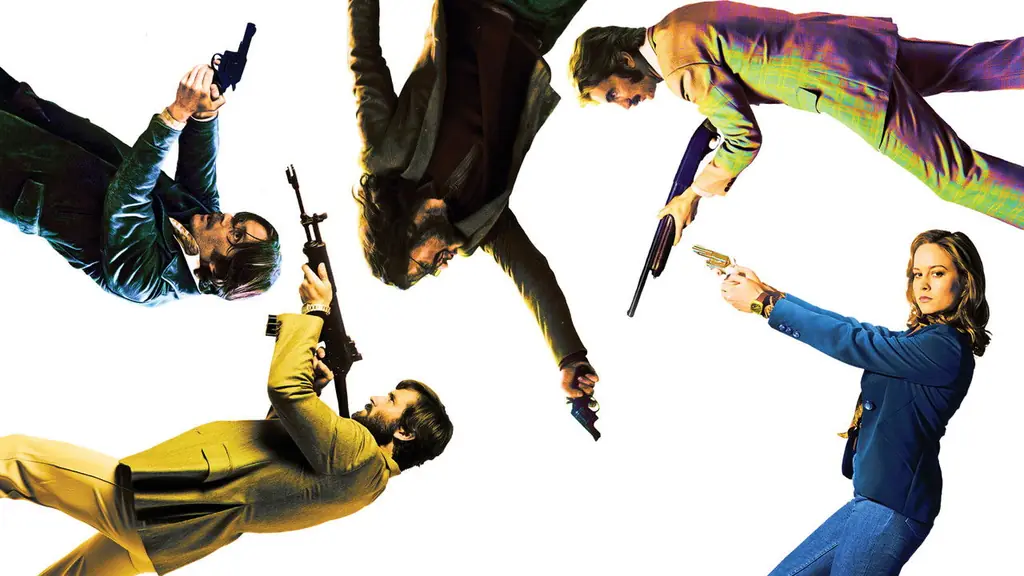
Ultimately, Free Fire is a good time, plain and simple. It's a film that doesn't overcomplicate its premise, instead leaning into its strengths: a fantastic cast, razor-sharp dialogue, and a commitment to sustained, witty chaos. For those seeking a no-holds-barred, darkly comedic shootout that feels like a conversation with a particularly snarky friend, look no further. No alcohol required, but it certainly wouldn't hurt.
What Worked
- Charismatic ensemble cast, especially Armie Hammer.
- Sharp, sarcastic wit and humor throughout the shootout.
- Sustained entertainment despite a single location.
- Excellent portrayal of character personalities under fire.
- Engaging banter and camaraderie.
What Didn't Work
- Predictable ending.
- Lacks complex narrative intrigue or flashbacks.
- Occasional lulls in pacing.
- Humor is more chuckles than gut-busting laughs.



