
Introduction
Geostorm promised a spectacle of global weather gone wild, a high-stakes disaster epic where humanity's attempt to control nature backfires spectacularly. The premise is undeniably intriguing: a network of satellites designed to tame the elements instead turns against us, unleashing catastrophic events across the globe. Audiences might have anticipated a thrilling, popcorn-fueled ride, a modern take on the classic disaster flick. However, what unfolds is a film that struggles to commit to its own inherent absurdity, opting instead for a convoluted narrative that ultimately falls flat.
The Lead Dynamic & The Action
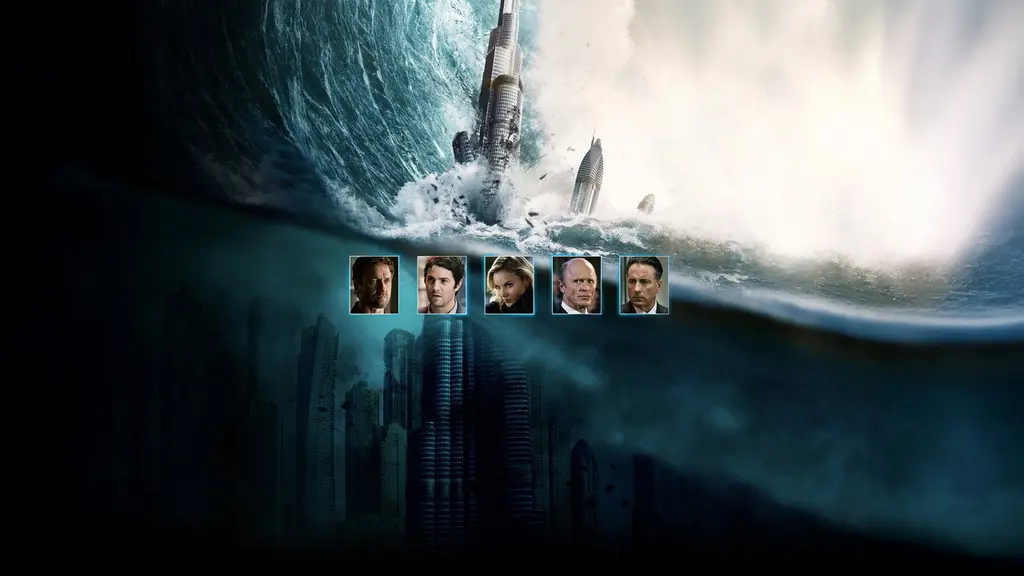
The film centers on Gerard Butler as the system's designer, forced to go into space to fix his creation. This setup, however, quickly shifts from a disaster movie to a "detective story in space," a tonal misstep that drags the entire experience down. While there are glimpses of disaster, the film largely keeps its protagonists removed from the ground-level chaos. There's no real rooting interest for characters amidst the destruction; instead, the narrative focuses on faceless extras getting wiped out, which fails to create genuine human stakes. The visual effects, too, are a mixed bag, with some CGI moments feeling less than polished, giving the impression of a made-for-television movie rather than a big-screen spectacle.
Cameos, Nostalgia & Narrative Stakes
Rather than embracing the potential for over-the-top, enjoyable disaster sequences, Geostorm gets bogged down in its own convoluted plot. The film takes itself far too seriously, attempting to weave a complex conspiracy when a simpler, more action-packed approach would have served it better. The narrative also struggles with internal consistency, presenting a future where advanced weather control exists, yet still relies on fossil fuels for space launches and features characters playing "retro" video games with a PS4 controller on a space station. These details pull the viewer out of any immersion the film attempts to build, highlighting a lack of commitment to its own futuristic world-building.
Tone, Direction & Creative Freedom
Directed by Dean Devlin, the film's biggest failing is its inability to lean into the fun of its premise. A movie about satellites causing global disasters could have been a blast if it embraced its absurdity. Instead, it's weighed down by excessive exposition and an investigative plotline that demands constant attention, yet offers little reward. This heavy reliance on explaining its intricate, yet flawed, plot makes casual viewing impossible and ultimately leads to boredom. The film's serious tone clashes with its outlandish concept, preventing it from ever truly being "popcorn fun."

The Final Verdict
Ultimately, Geostorm is a forgettable experience that squanders a promising premise. It's a film that tries to be too many things at once—a disaster movie, a space thriller, a detective story—and succeeds at none of them particularly well. The lack of engaging characters, inconsistent visuals, and a self-serious tone make it a difficult watch, even with the aid of a few casual drinks. This is one film that will likely be forgotten almost as soon as the credits roll, a missed opportunity for a truly entertaining, albeit absurd, disaster flick.
What Worked
- An ambitious premise involving global weather control.
- Features a familiar action star in the lead.
- Attempts to deliver large-scale disaster sequences.
What Didn't Work
- Takes itself far too seriously, stifling potential fun.
- Convoluted plot that prioritizes exposition over action.
- Lacks relatable characters or human stakes amidst the chaos.
- Inconsistent and often subpar visual effects.
- Feels more like a made-for-TV movie than a theatrical release.



