Introduction
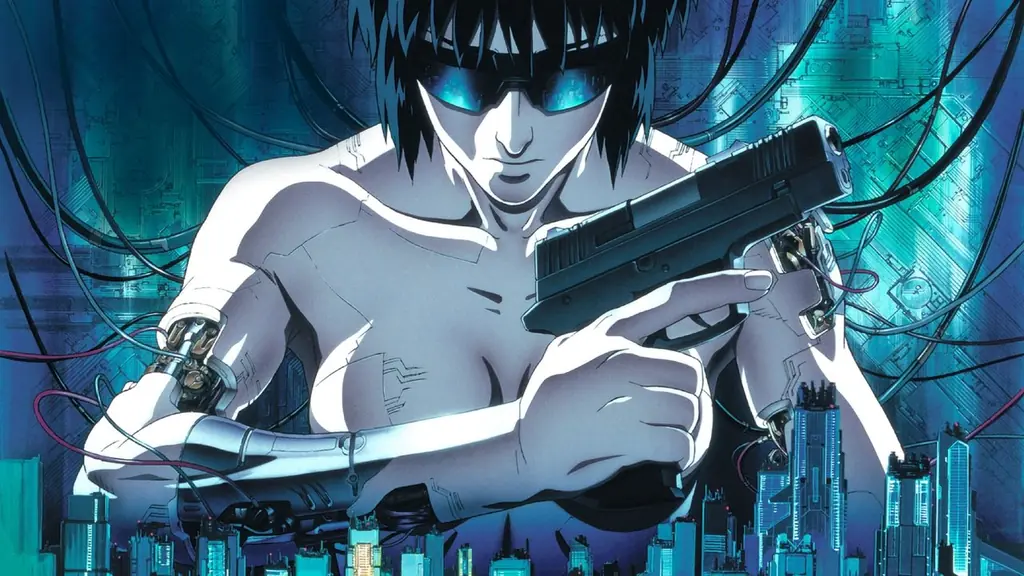
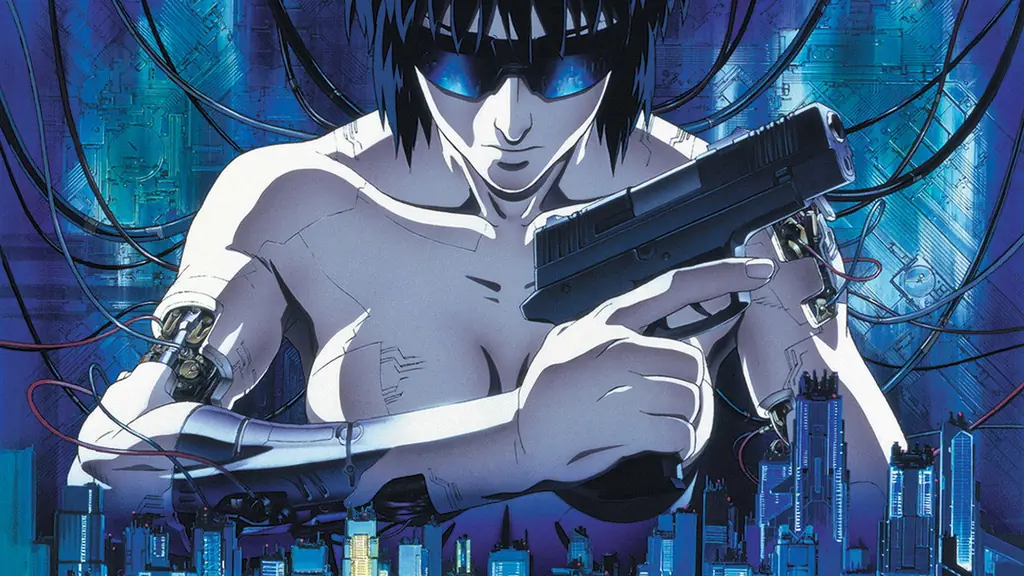
For many, the name Ghost in the Shell conjures images of groundbreaking animation and philosophical depth. Even for those unfamiliar with the original 1995 Japanese anime, the title held a certain mystique, perhaps from a PlayStation magazine cover that stuck in a teenage mind. This film plunges viewers into a future where technology and human enhancement are ubiquitous. Everyone is cybernetically enhanced, from arms to eyeballs. The core premise introduces a protagonist, Major Motoko Kusanagi (voiced by Atsuko Tanaka), who is unique: a human brain housed in an entirely synthetic body, blurring the lines of what constitutes life and a soul. Tasked with hunting down criminals, she faces new threats that challenge her very existence. Initial trailers might not have captivated everyone, but a specific five-minute clip showcasing the Major's destructive prowess hinted at the visual spectacle and immersive world that awaited.
The Lead Dynamic & The Action
Visually, this world is undeniably cool, often mind-blowing. The film nails the conceptual aesthetic of a future where brain mods allow for direct communication without vocal cords—a "golden egg" of technological integration. However, not every visual element holds up. One particular chase sequence, featuring the Major "hop hop hop" running at high speed, leans heavily on CGI that feels more akin to 2005 than the cutting edge. Despite these minor stumbles, the overall look is strikingly anime-esque, a testament to its visual artistry. The action, while present, isn't always enough to carry the film.
Cameos, Nostalgia & Narrative Stakes
Conceptually, the film explores profound questions: "Do I have a soul? Am I just a machine?" These ideas are inherently interesting. Execution, however, is where Ghost in the Shell falters. The pacing is often described as long, boring, drawn out, dull, slow, choppy, and sloppy. The narrative struggles with its villains, starting with a compelling antagonist—a "Max Hrum"-like character whose twitchy demeanor made him a standout—only to replace him with a less interesting successor. Moments intended to evoke deep emotion often fall flat, leaving audiences disengaged. Some slow-motion sequences feel less like genuine emotional beats and more like attempts to replicate iconic anime frames for fan service, lacking true impact.
Tone, Direction & Creative Freedom
The film attempts to deliver emotional gravity alongside its action, but it ultimately doesn't land. While a movie can't solely rely on action, it also can't thrive on concept alone; execution is paramount. The film feels like it might have been better suited as a high-budget television series, perhaps on a platform like HBO, allowing its complex world and narrative to breathe over multiple episodes rather than being condensed into a feature film. The portrayal of the Major, while competent, doesn't particularly stand out as an iconic performance, suggesting that other voice actors could have easily filled the role. For fans of the original anime, this film might offer a degree of fan service, but for newcomers, it can feel like being an outsider to a private joke, unable to fully connect with the intended magic.
The Final Verdict
Ghost in the Shell is a visually stunning experience with a truly great concept at its core. The world-building is impressive, and the philosophical questions it poses are genuinely thought-provoking. However, the film's execution struggles significantly, resulting in a narrative that feels drawn out and emotionally distant. While it looks fantastic—an art book would likely be a worthwhile purchase—the movie itself often fails to engage on a deeper level. It's a film that might be more enjoyable with a few drinks, suggesting its flaws are significant enough to detract from a sober viewing.
What Worked
- Visually stunning and immersive world-building
- Profound conceptual ideas about humanity and technology
- Compelling initial antagonist
- Some impressive action sequences
What Didn't Work
- Pacing is often slow, dull, and drawn out
- Execution fails to match the strong concept
- Emotional beats and gravity don't land effectively
- Second villain is significantly less engaging
- Feels like a TV series compressed into a film