
Introduction
From the moment Haywire hit screens, there was a buzz. With Steven Soderbergh at the helm and a cast featuring names like Michael Fassbender, the anticipation for a slick, intelligent spy thriller was palpable. What audiences got was something far more visceral and grounded, a spy flick that trades glossy theatrics for brutal, bone-crunching realism.
The Lead Dynamic & The Action
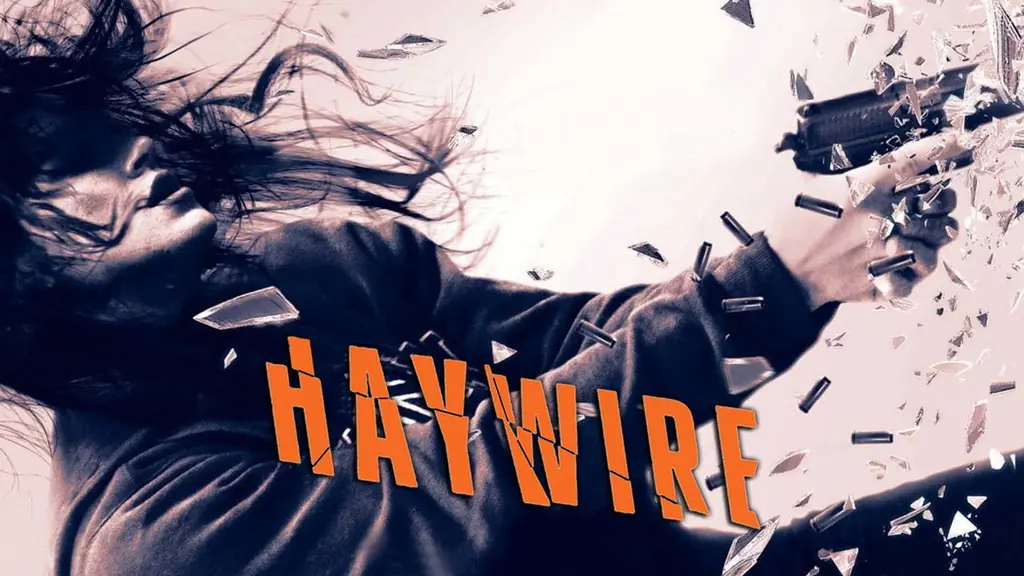
At the heart of Haywire is Gina Carano as Mallory Kane, a black ops operative betrayed by her own. From her very first on-screen brawl, it's clear this isn't your typical action hero. Carano, an actual MMA fighter, brings an authenticity to the combat that few actors can match. The fights are not just well-choreographed; they feel genuinely real, devoid of the usual cinematic flourishes. There's no pumping soundtrack to underscore the blows; instead, the raw sounds of impact and struggle dominate, immersing viewers in every punch and kick. It's a refreshing approach that makes the action feel incredibly gritty and immediate. Carano herself embodies a unique blend of toughness and allure, a "hot and could beat the piss out of you" vibe that makes her a compelling and formidable lead.
Cameos, Nostalgia & Narrative Stakes
While the action is undeniably the star, the narrative of Haywire weaves a complex web of espionage and betrayal. The plot, like many spy thrillers, can feel convoluted at times, demanding attention to keep track of the double-crosses and shifting loyalties. However, the film is bolstered by a strong supporting cast. Viewers will spot familiar faces like Ewan McGregor, Antonio Banderas, and Michael Douglas. A word of caution for those drawn in by the promise of Michael Fassbender: his role, while impactful, is more of a cameo. Don't go in expecting him to be a central figure throughout; his presence serves more as a tantalizing glimpse than a sustained performance.
Tone, Direction & Creative Freedom
Steven Soderbergh's direction is key to Haywire's distinct identity. He crafts a film that feels remarkably grounded, almost like a "Mission Impossible on a Snatch budget." This isn't a slight; it's a testament to how Soderbergh manages to deliver high-stakes spy action with a raw, unpolished edge. The decision to forgo musical scores during fight sequences is a stroke of genius, amplifying the realism and making every confrontation feel genuinely dangerous. There's a curious note regarding Carano's performance: her voice was reportedly dubbed in post-production. While her physical presence and facial expressions are undeniably strong, this creative choice might be a point of discussion for some viewers.

The Final Verdict
Haywire is a good time, no alcohol required. It's a spy thriller that prioritizes brutal realism over flashy spectacle, delivering an exciting and engaging experience. The characters resonate, the excitement is palpable, and the fighting feels incredibly authentic. If you appreciate realistic spy narratives and the raw power of a genuine fighter, this film is an absolute must-see. It's a refreshing take on the genre, proving that sometimes, less polish means more punch.
What Worked
- Authentic, realistic fight choreography thanks to MMA fighter [[person:78452|Gina Carano]]
- Gritty, no-music fight sequences enhance realism and immersion
- Engaging and exciting spy thriller with a grounded feel
- Strong supporting cast including [[person:3061|Ewan McGregor]] and [[person:3131|Antonio Banderas]]
- Unique directorial vision from [[person:1884|Steven Soderbergh]]
What Didn't Work
- Plot can feel convoluted and hard to follow at times
- [[person:17288|Michael Fassbender]]'s role is a brief cameo, potentially disappointing some viewers
- The decision to dub [[person:78452|Gina Carano]]'s voice might be distracting for some