Introduction
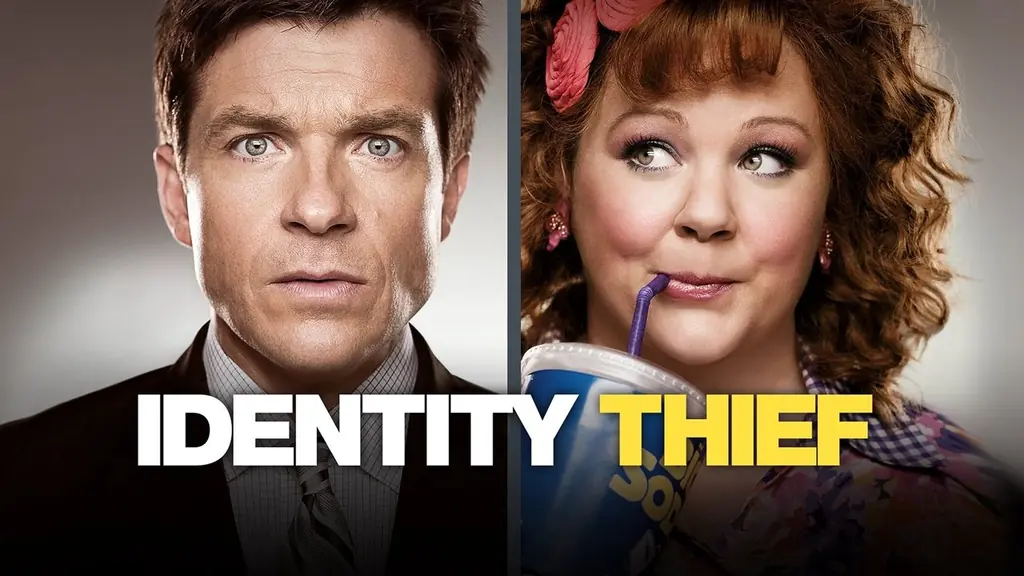
Identity Thief arrived with the promise of a chaotic road trip, pairing the comedic talents of Jason Bateman and Melissa McCarthy. Audiences were eager to see this dynamic duo navigate a cross-country chase after Bateman's character, Sandy Patterson, discovers his identity has been stolen by McCarthy's Diana. The setup alone hinted at a clash of personalities and a journey filled with unexpected turns.
The Lead Dynamic & The Action
The film truly shines when focusing on its central pairing. Melissa McCarthy delivers a performance that makes her identity-thieving character, Diana, surprisingly likable, despite her egregious actions. She brings a vibrant energy that carries much of the film's comedic weight. Opposite her, Jason Bateman reprises his familiar, deadpan everyman persona, a role he excels at, proving consistently likable even when facing absurd circumstances. Their chemistry is undeniable, evolving from mutual antagonism to moments of genuine connection and empathy. These bonding scenes are where the film finds its heart, allowing viewers to empathize with Diana in a way that feels earned, despite her criminal enterprise. The core of the film, the reluctant road trip, provides a solid foundation for their interactions and the humor that springs from their forced proximity.
Cameos, Nostalgia & Narrative Stakes
Where Identity Thief stumbles is in its attempt to inject unnecessary narrative complexity. The film introduces a pair of attractive hit people, including Genesis Rodriguez, and later low-level mobsters, who are supposedly pursuing Diana. These characters feel entirely forced, appearing and disappearing with little impact on the main storyline. The narrative frequently forgets about them, only to awkwardly reintroduce them, leaving audiences questioning their purpose. This extraneous subplot, seemingly designed to add stakes or stand out, ultimately bloats the runtime and detracts from the compelling dynamic between the two leads. It's a clear example of elements being thrown in without serving the core story, making the film feel crammed and less focused than it could have been.
Tone, Direction & Creative Freedom
Seth Gordon's direction attempts to balance outright comedy with moments of genuine emotional depth. The film exists in a tonal middle ground, offering enough laughs to be enjoyable but also delving into the consequences of Diana's actions and the bond forming between her and Sandy. However, the inclusion of the aforementioned forced plot points suggests a directorial choice to add artificial conflict, perhaps to avoid being "just another road trip movie." This decision, however, ultimately works against the film, creating a sense of disjointedness. Had the filmmakers been given the freedom, or chosen, to streamline the narrative, focusing solely on the strength of its lead characters, the film would have been significantly tighter and more impactful, potentially shaving off a crucial twenty minutes from its two-hour runtime.

The Final Verdict
Identity Thief is an enjoyable enough ride, largely thanks to the magnetic performances and evolving chemistry of Melissa McCarthy and Jason Bateman. While it delivers a good time with its comedic premise and character interactions, it's hampered by a meandering plot that introduces superfluous antagonists who add little value. It's not a must-see cinematic event, but for those seeking a lighthearted, character-driven comedy with a few genuine laughs and a surprisingly empathetic core, it serves as a perfectly pleasant diversion.
What Worked
- Strong performances from Melissa McCarthy and Jason Bateman.
- Engaging chemistry between the two leads.
- Successfully makes an unlikable character empathetic.
- Delivers an enjoyable, funny road trip experience.
What Didn't Work
- Overused road trip movie trope.
- Forced and unnecessary subplots (hitmen, mobsters).
- Bloated runtime due to extraneous elements.
- Plot points that appear and disappear without resolution.