Introduction
Remember the hype? The trailers for Immortals promised a visually stunning, hyper-stylized take on Greek mythology, a spiritual successor to 300 mixed with Clash of the Titans. Audiences were eager for a fresh, brutal epic, and the film certainly delivered on spectacle, even if its narrative journey was a bit more... familiar.
The Lead Dynamic & The Action
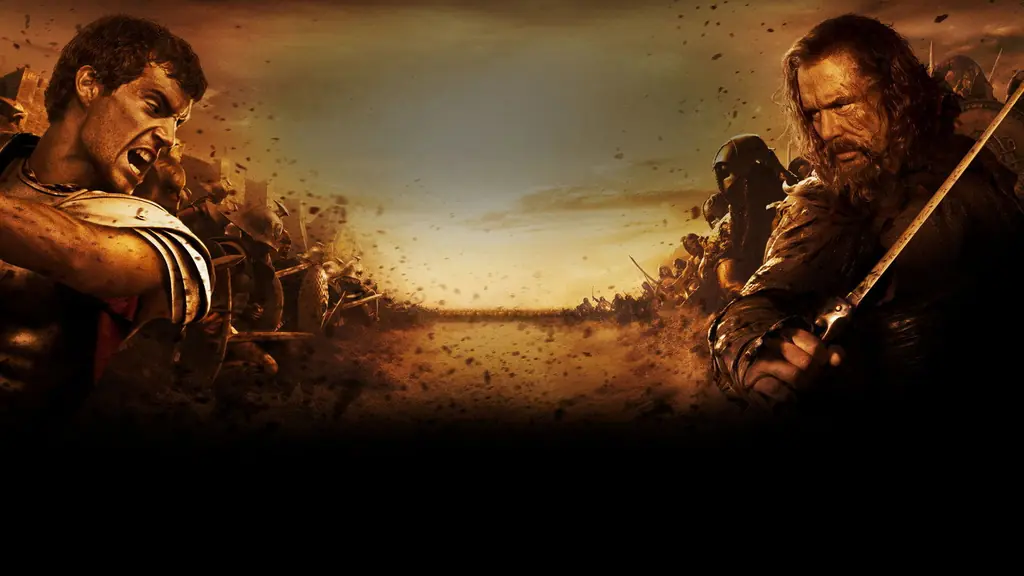
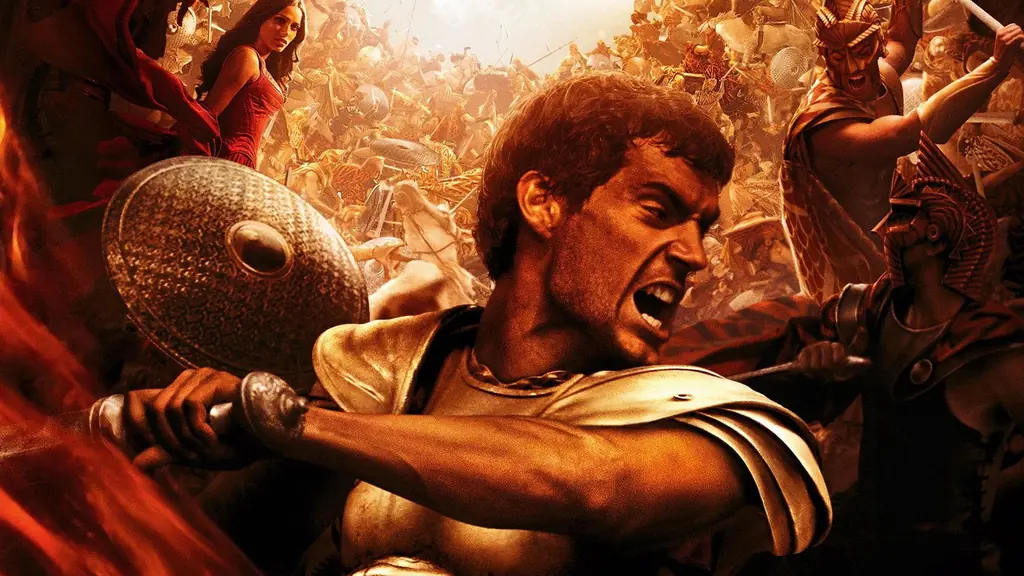
At its core, Immortals is a classic tale of good versus evil, with Henry Cavill as the chosen mortal, Theseus, tasked with saving humanity. His quest pits him against the truly menacing King Hyperion, brought to life with chilling intensity by Mickey Rourke. Rourke’s Hyperion is so utterly ruthless, he makes Genghis Khan look like a Boy Scout. The stakes are high: Hyperion seeks the Epirus Bow, a weapon of immense power that can free the imprisoned Titans. Cavill, alongside Freida Pinto and Stephen Dorff, embarks on a journey filled with grand, if sometimes fleeting, action sequences. The mythical bow itself is a highlight, depicted as an awesome weapon that delivers devastating blows. While the film teases epic interventions from the gods, these moments, though visually spectacular, are surprisingly sparse, leaving much of the heavy lifting to our mortal heroes.
Cameos, Nostalgia & Narrative Stakes
The first half of Immortals treads familiar ground, feeling like a narrative we've seen countless times before. The writing, at times, feels less than inspired, failing to carve out a truly unique identity. However, the film finds its footing in the second half, escalating the stakes and delivering on the visual promise. It’s here that Cavill truly shines, delivering a rousing, William Wallace-esque speech that solidifies his heroic presence and hints at his future as a certain Man of Steel. While the narrative focuses heavily on a small group pursuing Hyperion, the underlying threat of the Titans adds a layer of mythological grandeur, even if their direct involvement is limited.
Tone, Direction & Creative Freedom
Directed by Tarsem Singh, known for his distinctive visual flair in films like The Cell, Immortals is undeniably a feast for the eyes. There are moments of truly great directing, where Singh’s artistic vision elevates the material. The film embraces a "cool fake" aesthetic, particularly in its climactic battles. While some might find this artificiality distracting, it contributes to the film's unique, stylized identity. It’s a movie that doesn't take itself too seriously, often feeling like a party, especially if viewed with a relaxed mindset. The overall impression is that of a director given the freedom to create a visually striking world, even if the story occasionally struggles to keep pace.
The Final Verdict
Ultimately, Immortals is a film that lands squarely in the "okay" category, but with significant flashes of greatness. It’s not a cinematic masterpiece, nor is it a disaster. It’s a visually ambitious, action-packed ride that delivers on spectacle, especially in its latter half. While it won't be a film you rush back to rewatch immediately, it offers enough "cool fake" moments and a compelling villain to make for an entertaining, if somewhat uneven, viewing experience. If you’re in the mood for a visually distinct, mythological action flick that doesn't demand too much, Immortals might just hit the spot.
What Worked
- Visually stunning and stylized aesthetic
- [[person:2295|Mickey Rourke]]'s menacing performance as King Hyperion
- Impressive action sequences, especially the mythical Epirus Bow
- [[person:73968|Henry Cavill]]'s strong heroic presence
- Moments of truly great directing and visual flair
What Didn't Work
- Uneven pacing, with a slow first half
- Generic and sometimes sloppy writing
- Limited screen time for the gods despite their importance
- Some action sequences feel "cool fake"
- Overall narrative lacks originality