Introduction
From the moment In Time was announced, the buzz was palpable. A high-concept thriller where the very essence of life—time—becomes the world's currency? It promised a fresh, thought-provoking take on dystopian futures and economic inequality. The premise alone is undeniably "badass," painting a stark picture where the rich literally live forever, hoarding centuries, while the poor scramble day-to-day, often dying when their clock hits zero. This setup immediately hooks the audience, begging the question: how would such a system truly function, and what would it take to break it?
The Lead Dynamic & The Action
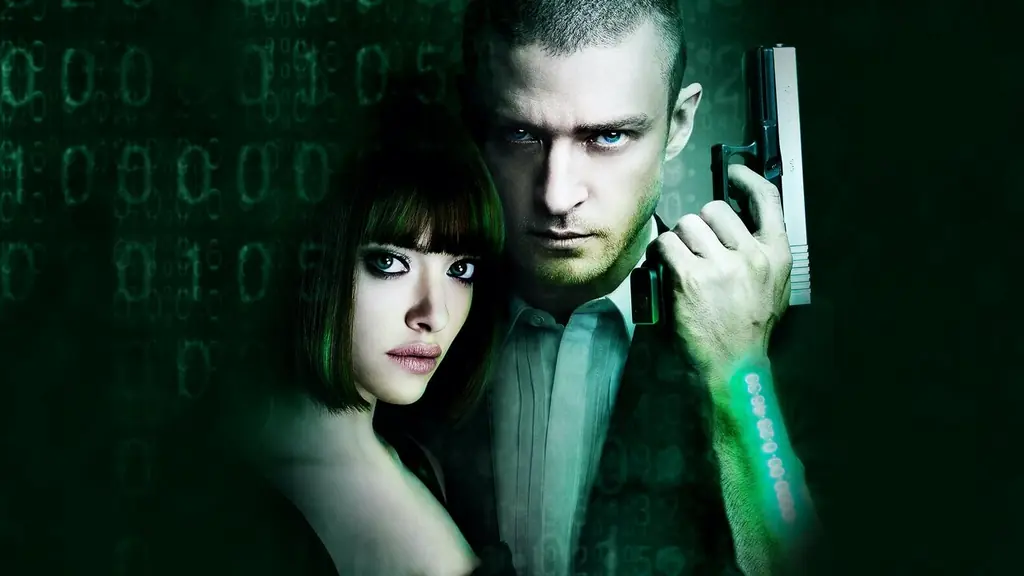
At the heart of this ticking clock narrative are Justin Timberlake and Amanda Seyfried, whose performances anchor the film. Justin Timberlake, as the working-class hero thrust into the world of the elite, delivers a surprisingly strong turn. He's witty, carries a "badass" edge, and navigates his character's journey with conviction. His portrayal leaves little to dislike, proving he was a perfect fit for the role. Amanda Seyfried complements him well as the privileged heiress, initially bratty and oblivious to the struggles of the time-poor, but eventually developing a compelling dynamic with Timberlake's character, even if it leans into a touch of "Stockholm syndrome" as they become unlikely bandits.
The pursuit is relentless, spearheaded by the formidable Timekeeper, played by the ever-excellent Cillian Murphy. His presence is a welcome sight, reminding audiences of his talent beyond brief cameos. Murphy brings a gravitas and intensity that elevates every scene he's in, making for a truly effective antagonist. The action sequences, while not always groundbreaking, maintain a consistent energy, propelling the narrative forward with a sense of urgency.
Cameos, Nostalgia & Narrative Stakes
While the core cast shines, the film also features memorable, albeit brief, appearances. Olivia Wilde makes a striking impression as Timberlake's mother, a role that, given the film's premise, is both poignant and visually jarring. Her fleeting screen time leaves a lasting impact, highlighting the cruel realities of this time-based economy.
However, the narrative, despite its strong foundation, occasionally stumbles. The film rushes through crucial plot points, leaving some transitions feeling underdeveloped. For instance, the reviewer notes a moment where Timberlake's character infiltrates a group without a clear depiction of how it happened, questioning the timeline given the scarcity of minutes. This hurried pacing prevents a deeper exploration of the world's mechanics, particularly the transition from traditional currency to time. The film posits a system that has existed for centuries, yet it glosses over the fundamental "how" and "why," which could have enriched the story significantly.
Tone, Direction & Creative Freedom
Andrew Niccol's direction attempts to balance the thrilling chase with the underlying social commentary. The concept itself is "badass," and there are moments where the film truly shines, offering glimpses of the unique experience it promises. Yet, it doesn't quite reach its full potential. The execution, at times, feels like a missed opportunity to delve deeper into the philosophical implications of its premise. The reviewer points out that if the film had merely swapped time for cash, the latter half might not have felt much different, suggesting a failure to fully leverage its distinctive core idea.
This leads to a feeling that while "pretty good," the film isn't "great." It doesn't stand out as a truly unique cinematic experience, despite its inherently unique concept. The pacing issues and the lack of detailed world-building prevent it from becoming the truly memorable and thought-provoking sci-fi thriller it could have been.
The Final Verdict
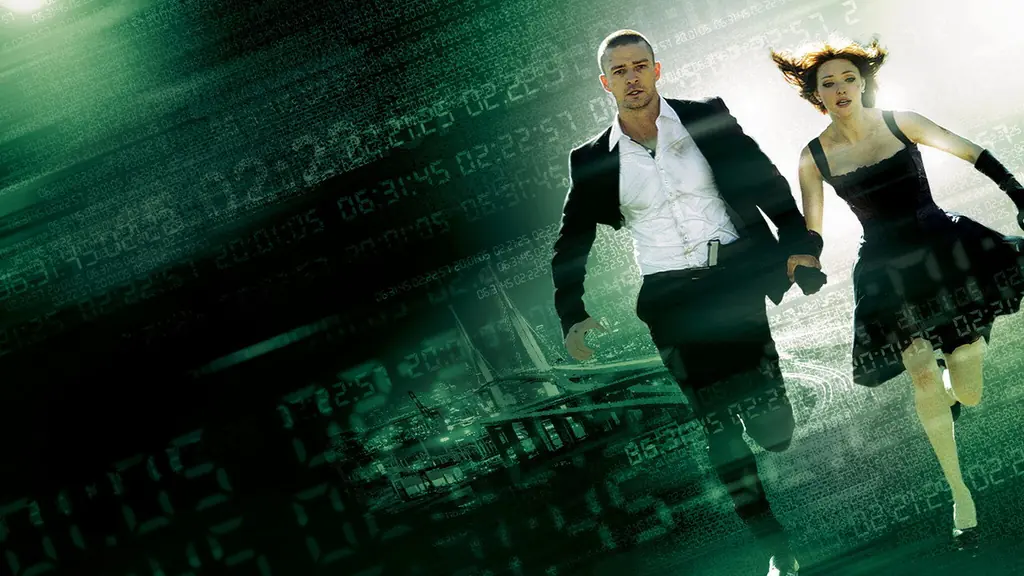
In Time is a film that offers a genuinely "good time" without requiring any external enhancements. It's an engaging watch, buoyed by its compelling premise and strong performances from its lead actors, especially Justin Timberlake and Amanda Seyfried, with Cillian Murphy adding significant weight as the relentless timekeeper. While it delivers on the action and maintains a brisk pace, it ultimately leaves the audience wanting more from its rich, unexplored potential. It's a solid entry into the sci-fi thriller genre, but one that doesn't quite etch itself into the annals of truly unforgettable cinema. A decent watch for a casual evening, but don't expect it to redefine your perception of time.
What Worked
- Unique and "badass" core concept of time as currency.
- Strong, engaging performances from Justin Timberlake and Amanda Seyfried.
- Cillian Murphy delivers a compelling and effective antagonist.
- Witty dialogue and character interactions keep the pace lively.
What Didn't Work
- Rushed plot points and underdeveloped narrative elements.
- Fails to fully explore the philosophical depth of its unique premise.
- Could have been more distinctive and memorable, feeling generic at times.
- Lack of explanation for the time currency system's origin.