Introduction
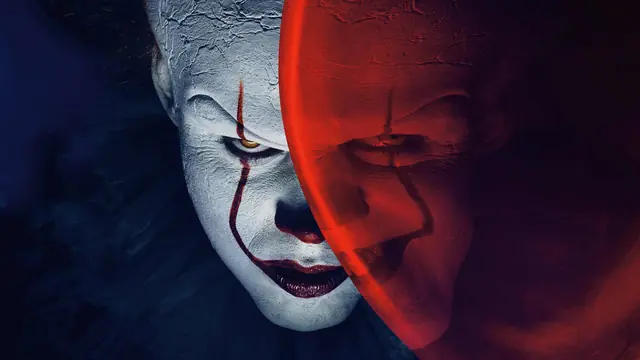
Remember the internet's collective gasp when the first images of Pennywise dropped? Many, ourselves included, were quick to judge, dismissing the new look. But It (2017) quickly taught us a valuable lesson: sometimes, you just need to breathe before passing judgment. This isn't just another adaptation of the Stephen King novel; it's a fresh take that wisely focuses on the childhood segment, unlike the miniseries that covered both timelines. Set in the quintessential King-esque town of Derry, Maine, a quiet terror stalks the streets, making people disappear. But it's the group of kids, the self-proclaimed Losers' Club, who realize they're all experiencing the same horrifying phenomenon, all while navigating the brutal landscape of junior high and relentless bullies. This film immediately distinguishes itself by understanding that true horror isn't just about jump scares; it's about the characters facing them.
The Lead Dynamic & The Action
What truly sets It apart from the glut of modern horror is its unwavering commitment to character. This isn't just a monster movie; it's a character study wrapped in a terrifying package, nailing what's often wrong with the genre today. Instead of simply throwing a group of people together to be terrorized by a demon or ghost, this film delves into the heart of what makes Stephen King's stories so enduring: the human element. The Losers' Club, featuring standout performances from young talents like Jaeden Martell, Jeremy Ray Taylor, Sophia Lillis, Finn Wolfhard, Chosen Jacobs, Jack Dylan Grazer, and Wyatt Oleff, is the undeniable backbone of this film. Their camaraderie, their struggles with bullies, and their shared trauma resonate deeply, reminding viewers of their own junior high experiences. Finn Wolfhard, in particular, delivers a performance that perfectly captures the essence of a wise-cracking, slightly inappropriate kid, making one wonder if he simply chooses great projects or makes them great himself. The film has heart, elicits genuine laughs, and yes, it's quite frightening. The intensity builds to a point where you might find yourself gripping your seat, pushing against the rails, as the terror unfolds in scenes so intense they demand your full attention.
Cameos, Nostalgia & Narrative Stakes
It doesn't shy away from the distinct 'Stephen King-isms' that define his work. From the nuanced portrayal of small-town life to the complex dynamics of childhood friendships and the ever-present threat of human cruelty (manifested in the bullies), the film embraces the author's unique voice. King's narratives are never just about the supernatural evil; they explore deeper human fears and societal issues, and this adaptation understands that completely. It gives its characters depth and layers that elevate it beyond a typical monster flick. The film's relatability shines through, particularly in moments like the Losers swimming in their underwear – a scene that perfectly captures the awkward, vulnerable essence of youth and friendship. While some horror films might think character development detracts from the scares, here it only adds to the richness, proving that allowing time for the kids' personal struggles and the bullies' menace actually enhances the overall experience. The kids, for instance, talk like actual kids – complete with a justifiable amount of cursing that feels authentic to young friends hanging out without adult supervision. This commitment to realism, even amidst the fantastical horror, grounds the narrative and raises the stakes, making the audience genuinely invested in their survival.
Tone, Direction & Creative Freedom
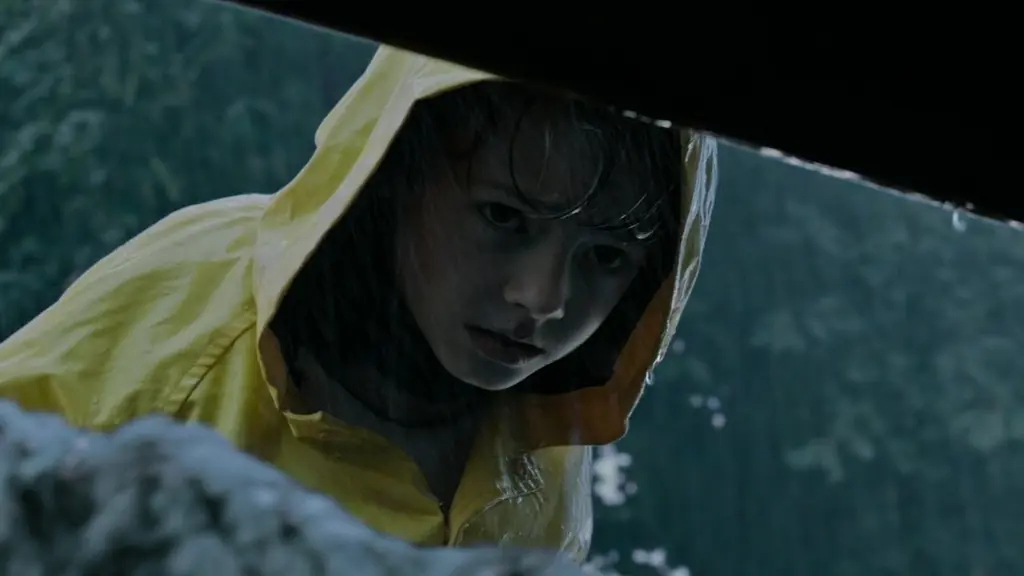
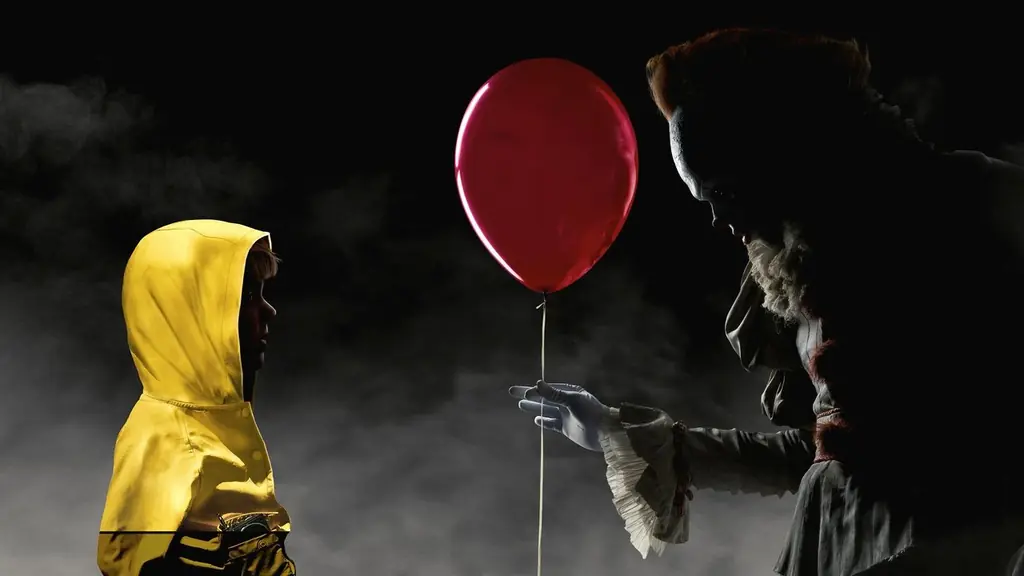
Under the astute direction of Andy Muschietti, the film strikes a delicate balance between dread and genuine emotion. And then there's Pennywise. Bill Skarsgård's portrayal is nothing short of phenomenal – a straight-up creep. The visual effects on his eyes, glowing and askew, are particularly effective, making him unsettling even in the darkest scenes. His unsettling mannerisms, like the water dripping from his mouth as he speaks to Georgie without a care, add a layer of disturbing realism to the creature. This Pennywise is more than just a scary clown; there's a deeper, more complex evil at play, hinting at layers the film wisely leaves for the audience to ponder. Crucially, the film doesn't flinch from showing violence towards children, a bold choice that many movies shy away from. This adds a level of grit and realism that few horror films are willing to embrace, making the threats feel genuinely impactful and the stakes incredibly high. It's a testament to the filmmakers' confidence that they allowed the story to go to these dark, uncomfortable places, giving the film a unique edge.
The Final Verdict
It is a rare beast: a horror film that prioritizes character, emotion, and genuine depth without sacrificing its ability to terrify. It justifies its runtime with compelling development and a narrative that keeps you utterly engrossed. This isn't just a fresh take on a monster movie; it's a blueprint for how horror should be done, proving that good development can elevate any genre. It's a film that demands repeat viewings, a true gem that blends the adventurous spirit of 'The Goonies' with the relentless terror of 'A Nightmare on Elm Street.' It has an interesting premise, great characters, and good depth, making it a unique experience. Other horror filmmakers should take a page out of its book. Prepare to be scared, to laugh, and to genuinely care about the fate of these kids.
What Worked
- Character-driven horror that avoids cheap scares
- Relatable and well-acted Losers' Club ensemble
- Genuine heart, humor, and intense frights
- Authentic Stephen King "isms" and dialogue
- Bill Skarsgård's terrifying Pennywise portrayal
- Unflinching portrayal of violence towards children, adding grit
What Didn't Work
- A couple of the seven Losers' Club members feel underdeveloped



