Introduction
Anticipation ran high for J. Edgar, a biographical drama helmed by veteran director Clint Eastwood and starring the ever-reliable Leonardo DiCaprio. Arriving during Oscar season, the film promised a deep dive into the complex life of J. Edgar Hoover, the enigmatic founder of the FBI. Audiences were primed for a prestige picture, hoping for a compelling portrait of a pivotal historical figure.
The Lead Dynamic & The Action
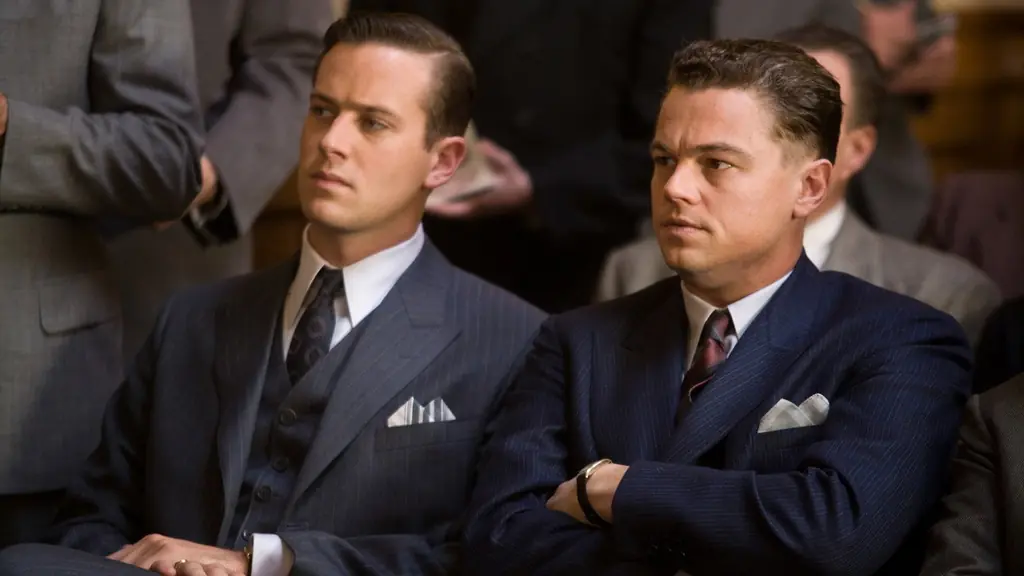
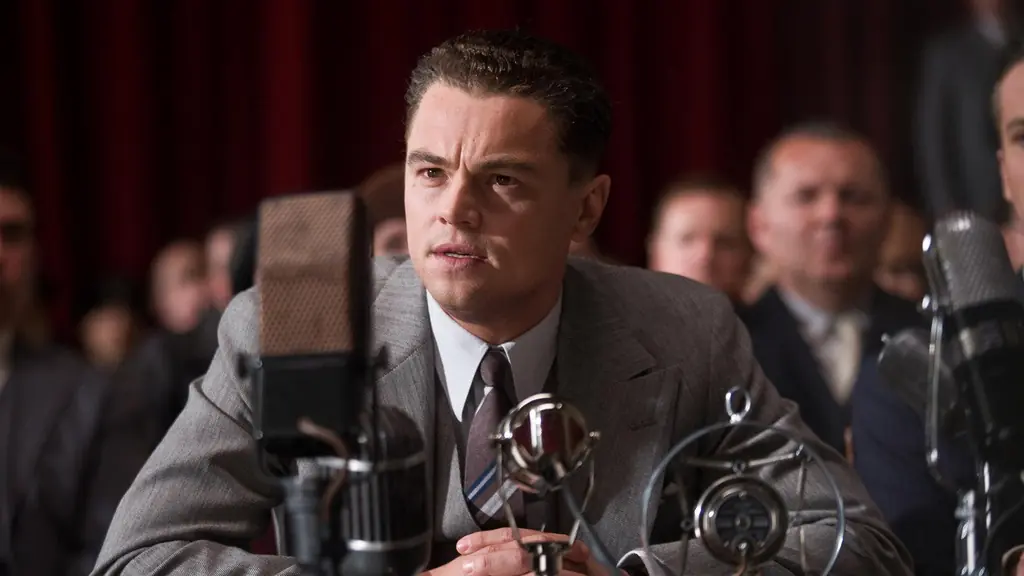
Leonardo DiCaprio delivers a determined performance as J. Edgar Hoover, portraying him as a man singularly focused on making the nation a safer place. The film delves into Hoover's professional life, but also his intensely private and controversial personal relationships. A significant focus is placed on his close, yet hidden, "gay relationship" with his number two man, Clyde Tolson, played by Armie Hammer. The narrative doesn't shy away from the more scandalous aspects, even touching on Hoover's alleged cross-dressing, all while emphasizing the secrecy demanded by the era.
Cameos, Nostalgia & Narrative Stakes
While the film touches upon fascinating historical moments and figures like Baby Face Nelson and John Dillinger, it often feels less like a gripping narrative and more like a historical textbook. The references to events and people that viewers might recognize from other films, such as "Public Enemies," offer fleeting moments of connection. However, the overall impression is that of a factual recounting rather than an emotionally resonant story. After more than two hours, the film concludes, leaving viewers with a sense of having consumed a detailed, albeit dry, historical account rather than a memorable cinematic experience.
Tone, Direction & Creative Freedom
One of the film's most notable struggles is its length and pacing. Clocking in at over two hours, the narrative frequently bounces between Hoover's youth and old age. While some transitions are cleverly executed, such as characters entering an elevator as their older selves and emerging as their younger counterparts, others are jarring. The lack of a clear auditory or visual cue for these shifts often leaves the audience momentarily disoriented, pulling them out of the story. Furthermore, the old-age makeup applied to Leonardo DiCaprio is a point of contention, with some finding it distracting and reminiscent of other actors. Ultimately, the film's editing choices contribute to a sense of disjointedness, making the already lengthy runtime feel even more arduous.
The Final Verdict
J. Edgar is a well-acted historical biopic that offers intriguing insights into the birth of the FBI and the revolutionary forensic investigations that Hoover championed. It highlights his undeniable impact on law enforcement, even while acknowledging his less admirable traits. However, the film's excessive length, often boring stretches, and inconsistent editing prevent it from truly soaring. While it provides a factual overview of Hoover's life, it struggles to create a lasting emotional impression. Viewers might find a dedicated History Channel special on J. Edgar Hoover to be a more engaging and memorable experience.
What Worked
- Strong performances, particularly from [[person:6193|Leonardo DiCaprio]].
- Offers valuable insight into the founding and early days of the FBI.
- Highlights the revolutionary nature of early forensic investigations.
- Some clever and effective transitions between timelines.
What Didn't Work
- Excessively long runtime makes the film feel tedious.
- Pacing issues contribute to moments of boredom.
- Jarring and inconsistent transitions between Hoover's young and old age.
- Unconvincing old-age makeup for the lead actor.
- Feels more like a factual history lesson than a compelling narrative.