
Introduction
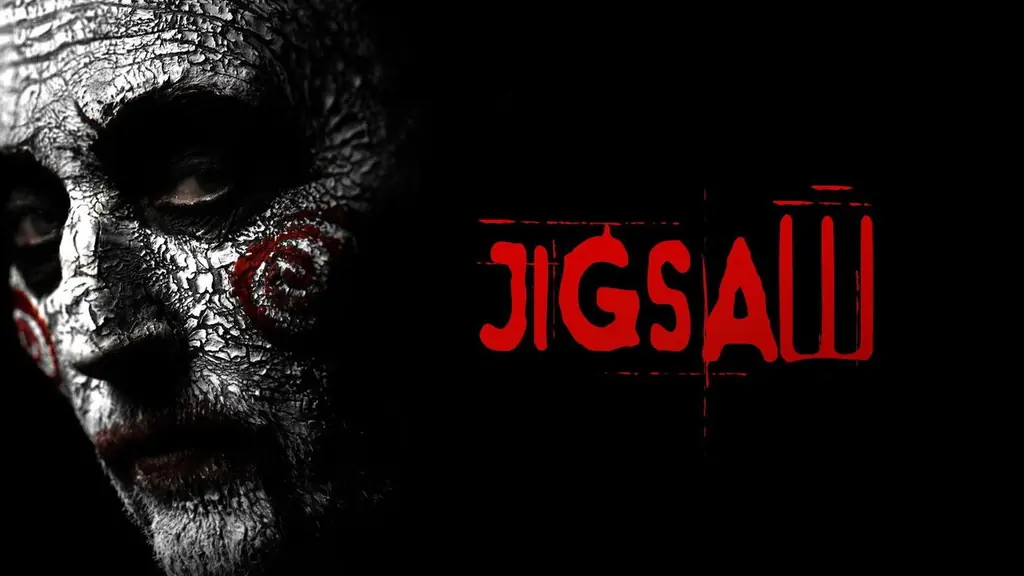
Seven years. That's how long it's been since the last entry in the infamous Saw franchise, and a full decade since the original Jigsaw met his demise in the series canon. Now, Jigsaw arrives, promising new victims, new games, and new traps. The burning question on every horror fan's mind: does this revival breathe fresh, terrifying life into the saga, or is it merely playing the same old game?
The Lead Dynamic & The Action
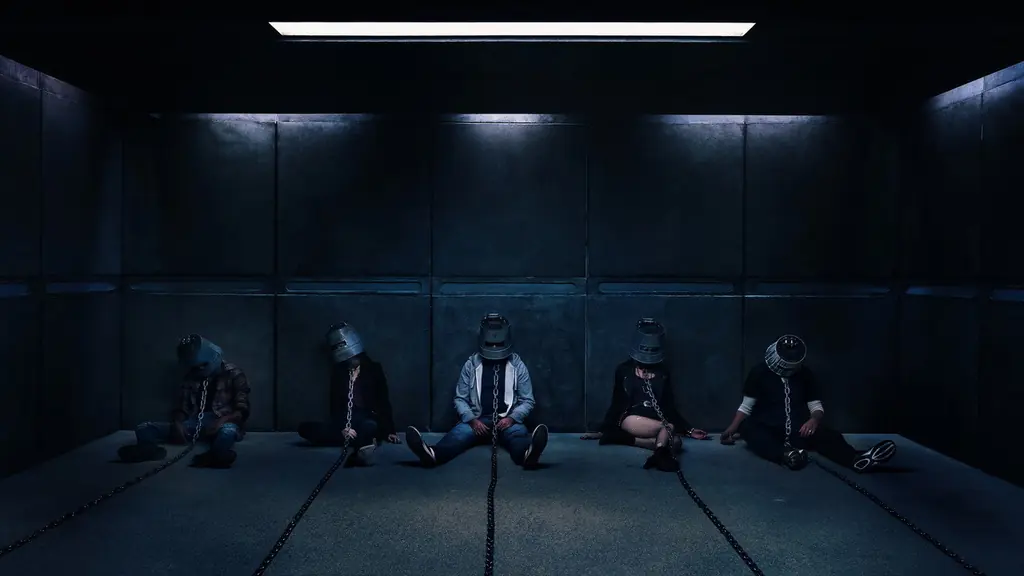
From the outset, it's clear that the "new" traps in Jigsaw don't quite deliver on their promise of novelty. The original Saw film carved out its own niche, pioneering the "torture porn" genre with its twisted, ingenious setups. But after so many installments, it seems the well of truly shocking and original contraptions has run dry. This latest chapter struggles to present anything audiences haven't already witnessed, often breezing through its early traps with surprising speed. The film attempts to maintain a sense of mystery, but the elaborate nature of the traps often strains credulity, requiring a suspension of disbelief that borders on accepting a "psychic" mastermind. How else could anyone predict the precise actions needed to ensnare victims in such intricate, pre-set death traps?
Cameos, Nostalgia & Narrative Stakes
The narrative of Jigsaw centers on an investigation into whether the iconic killer, Tobin Bell's Jigsaw, has somehow returned from the grave. This central mystery aims to hook viewers, but the overall acting quality across the board is, frankly, mediocre—a common pitfall for some entries in the franchise. The film feels less like a bold new direction and more like a cautious dip of the toe into familiar waters. It's a clear attempt to gauge audience interest, a test run to see if there's still an appetite for more Saw. If it performs well, another sequel is likely; if not, it's no great loss to the studio.
Tone, Direction & Creative Freedom
Directed by Michael Spierig, Jigsaw surprisingly dials back the extreme gore that became a hallmark of the series. While still R-rated, the torture sequences are not as graphically explicit as in some of its predecessors. This isn't necessarily a positive or negative, just a noticeable shift. The film's tone is consistent with the franchise's dark, gritty aesthetic, but it lacks the creative spark that defined its early success. It plays it safe, adhering to established formulas rather than pushing boundaries, suggesting a studio more interested in market testing than artistic reinvention.
The Final Verdict
Ultimately, Jigsaw is a film primarily for the dedicated fans who have stuck with the franchise through thick and thin. If you've never been a fan of the Saw movies, this installment certainly won't change your mind or convert you into a devotee. There's enjoyment to be found here, particularly for those who appreciate the series' unique brand of mystery and macabre games. However, for the most entertaining experience, it might be best enjoyed with a relaxed mindset—perhaps even "a bit drunk," as one might suggest. It's a serviceable, if uninspired, continuation that keeps the door open for more, but doesn't quite slam it shut with a definitive, terrifying statement.
What Worked
- A return to the Saw universe for dedicated fans
- Maintains the franchise's signature mystery element
- Less gratuitous gore compared to some predecessors
- Potential for future installments if it finds an audience
What Didn't Work
- Traps lack originality and feel recycled
- Plot relies on implausible "psychic" setups
- Mediocre acting throughout
- Doesn't innovate or attract new fans



