Introduction
The story of Steve Jobs, the visionary behind Apple, is one ripe for cinematic exploration. Audiences walked into Jobs with high expectations, eager to witness the genesis of the tech empire and the complex mind that built it. How did we get the iPod? How did Apple become a global phenomenon? The film promises to tell the story of the man who employed the innovators, the genius, the taskmaster, the CEO.
The Lead Dynamic & The Action
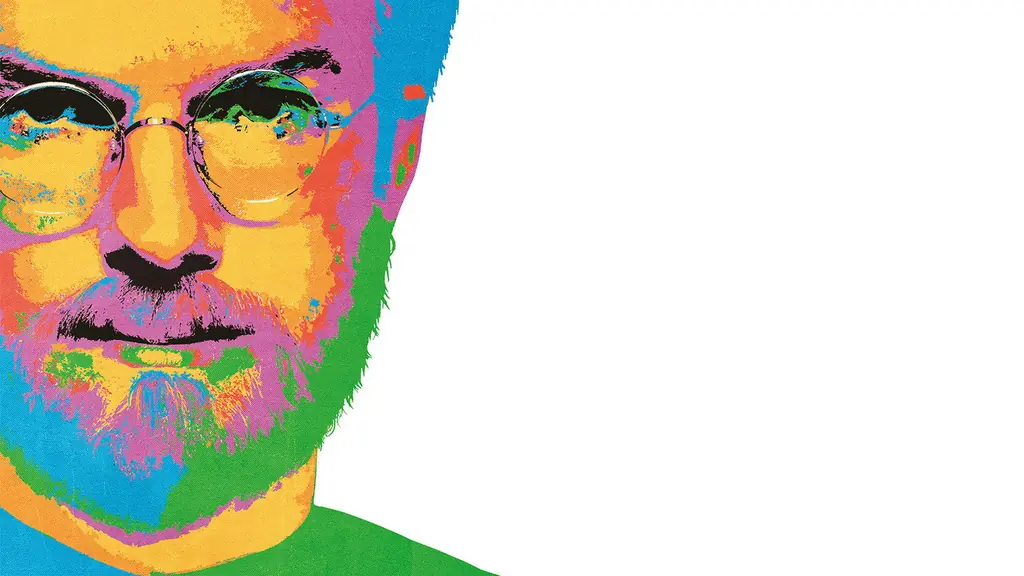
Central to the film is Ashton Kutcher's portrayal of Steve Jobs. While not quite reaching the transformative heights of a Leonardo DiCaprio or Daniel Day-Lewis, Kutcher delivers a commendable performance. He nails Jobs's distinctive mannerisms, particularly that signature frumpy walk. It's a significant leap for Kutcher, earning him well-deserved praise for embodying the tech icon's physical presence and intensity.

Cameos, Nostalgia & Narrative Stakes
Despite the compelling subject matter, Jobs struggles with its narrative depth. The film aims to be an informative, fictionalized biography, showcasing the industry leader in action. There are moments where Jobs's demanding nature and impossible expectations are on full display, creating a sense of awe at his drive. However, the script often feels underdeveloped. Major conflicts, like the legendary Apple versus Microsoft rivalry—a modern-day "Nintendo versus Sega" war—are reduced to a single, unsatisfying phone call where Jobs yells at what appears to be an answering machine. This lack of genuine, edge-of-your-seat conflict leaves the audience feeling informed, but rarely invested. It plays out as a series of situational circumstances rather than a gripping drama, leaving one to wonder if a two-hour History Channel documentary might have offered a more authentic and equally entertaining experience.
Tone, Direction & Creative Freedom
Joshua Michael Stern's direction attempts to navigate the complex personality of Steve Jobs. The film commendably avoids sugarcoating, depicting Jobs as the ambitious, sometimes difficult figure history remembers. He's shown as a man so driven he could come across as a "dick sometimes." However, the portrayal swings so far in this direction that it risks making him simply unlikable, perhaps overcompensating for fears of glorifying him. One can't help but compare the film to the sharp, dialogue-driven narratives of an Aaron Sorkin film like "The Social Network." A stronger script, rich with character dialogue, could have elevated Jobs from merely "interesting" to truly captivating, drawing in even those initially uninterested in the subject.
The Final Verdict
Ultimately, Jobs is a film for a specific audience. If you're an Apple fan, a Steve Jobs fanatic, or deeply interested in the origins of modern tech, you'll likely find it interesting and informative. However, for those without a pre-existing passion for the subject, the film struggles to ignite genuine curiosity or excitement. It's a good time if you're already invested, but it doesn't quite possess the narrative power to convert the indifferent. It's a biographical picture that informs, but rarely inspires.
What Worked
- [[person:18976|Ashton Kutcher]]'s committed portrayal of Steve Jobs's mannerisms
- Shows Jobs's ambitious, sometimes difficult personality without sugarcoating
- Informative for those interested in the early days of Apple
- Highlights Jobs's innovative spirit and demanding nature
What Didn't Work
- Weak script, lacking the depth of character dialogue
- Major conflicts (e.g., Apple vs. Microsoft) are underdeveloped
- Fails to engage viewers uninterested in the subject matter
- Portrays Jobs as unlikable, potentially swinging too far
- Feels more like a History Channel biography than a compelling film