Introduction
Twenty years ago, a film stomped onto the scene, not just with the thunderous footsteps of colossal creatures, but with an impact that reverberated through the very foundations of filmmaking. Jurassic Park wasn't just a movie; it was an event, a mind-blowing experience that smacked audiences in the face with pure awe and imagination. It arrived as the answer to why movies are made, setting a bar so high for visual effects and storytelling that it remains a benchmark even today.
The Lead Dynamic & The Action
At its core, Jurassic Park brings together an unlikely group to a remote island where a wealthy visionary has cloned dinosaurs. Among them is the unforgettable Ian Malcolm, portrayed by Jeff Goldblum. Malcolm isn't just a supporting character; he's a scene-stealer, a smooth, smart chaotician who, despite his intellect, possesses an undeniable charm. His interaction with Laura Dern's Dr. Ellie Sattler, particularly the iconic water-drop demonstration of chaos theory, highlights a captivating dynamic that adds layers to the thrilling narrative. The film masterfully builds its world, drawing viewers in with engaging dialogue and character interactions long before the real chaos erupts.
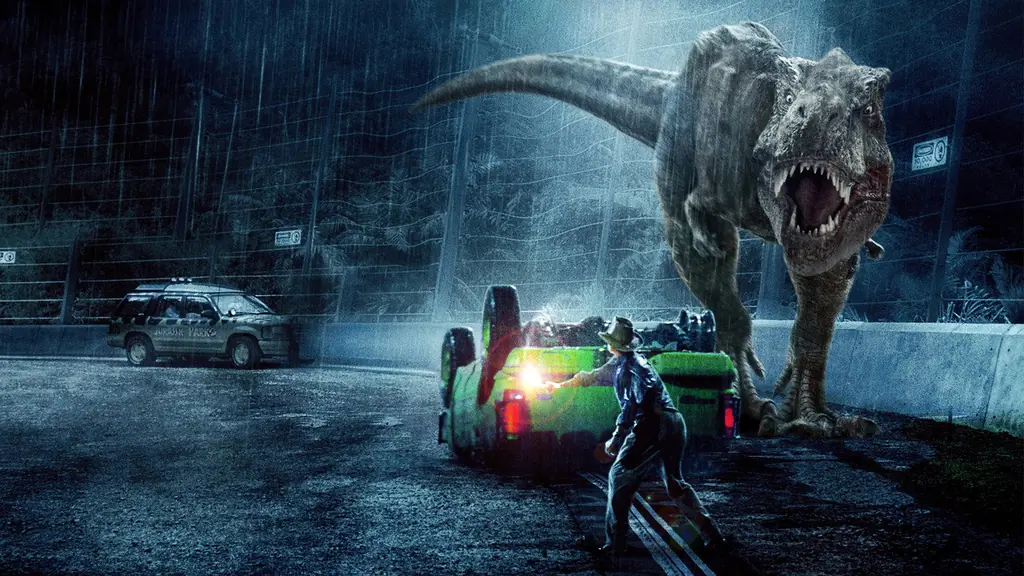
And when the chaos does hit, it's nothing short of spectacular. The action sequences are legendary, blending groundbreaking CGI with practical animatronics so seamlessly that the line between real and digital blurs. The terrifying T-Rex attack on the vehicle, with the kids screaming inside, is a prime example. Much of that visceral terror comes from a massive animatronic T-Rex physically battering the car, its eye dilating in a moment of pure, unadulterated realism that tricks the brain into believing it's alive. This commitment to tangible effects alongside revolutionary computer-generated imagery is what makes the film's scares so potent and enduring.
Cameos, Nostalgia & Narrative Stakes
While based on Michael Crichton's novel, Jurassic Park isn't a perfectly accurate adaptation, yet it captures the essence of the book with remarkable success. The narrative pacing is a testament to its engrossing power; the dinosaurs don't even break out until halfway or two-thirds through the movie. Yet, the film does such an exceptional job of immersing the audience in its world, through the awe-inspiring introduction to the brachiosaurus and the compelling character dynamics, that the wait for the inevitable chaos feels earned and never tedious.
This film also redefined the hierarchy of prehistoric predators. Before Jurassic Park, the Tyrannosaurus Rex was the undisputed king of fear. But this movie introduced audiences to the Velociraptors, smaller, quicker, and far more vicious and intelligent, cementing their place in cinematic history as truly terrifying antagonists. The image of someone hiding in a kitchen from these cunning hunters is now etched into our collective "genetic memory" of film.
Tone, Direction & Creative Freedom
Steven Spielberg's direction is nothing short of masterful. He orchestrates a symphony of awe, wonder, and sheer terror, balancing moments of breathtaking beauty with heart-pounding suspense. The film's use of CGI was revolutionary, changing the game of filmmaking forever. Even two decades later, the digital dinosaurs in Jurassic Park hold up against much shoddier modern effects, a testament to the meticulous craftsmanship and visionary approach taken by Spielberg and his team. The fact that not everything was CGI, with animatronics playing a crucial role, only enhances the film's timeless quality, proving that practical effects can be just as impactful.
The iconic soundtrack, arguably one of the greatest ever composed, further elevates the experience, instantly transporting listeners back to the island's wonders and dangers. It's a film that has something for everyone: cool characters, impressive visuals, genuine wonder, and thrilling danger.
The Final Verdict
Jurassic Park is more than just a movie; it's a cultural phenomenon that continues to captivate and thrill. It's a film that reminds us why we love cinema, delivering an "awesometacular" blend of adventure, suspense, and groundbreaking visual effects that remain unparalleled. Whether you're experiencing it for the first time or revisiting a beloved classic, this is a cinematic journey that will suck you into its world with aces. It's one of the greatest movies ever made, a true benchmark that still stands tall.
As for the 3D re-release, while post-converted, it's remarkably impressive, even surpassing other notable conversions. However, the film is perfectly enjoyable in 2D, its inherent brilliance needing no extra dimension to shine.
What Worked
- Revolutionary CGI that still holds up today
- Seamless blend of CGI and practical animatronics
- Jeff Goldblum's scene-stealing performance as Ian Malcolm
- Engrossing world-building and character dynamics
- Iconic and unforgettable musical score
- Redefined Velociraptors as terrifying predators
What Didn't Work
- Not a perfectly accurate adaptation of the source novel
- Dinosaur action takes a while to kick in (though handled well)
- The 3D conversion, while impressive, isn't essential for enjoyment