Introduction
After years of anticipation and a cinematic universe finding its footing, the moment arrived: DC's premier heroes finally assembled on the big screen. The hype for Justice League was palpable, promising a grand spectacle where the iconic figures of DC Comics would unite to face an existential threat. Audiences were eager to see if this long-awaited team-up could deliver the goods, bringing together beloved characters in an epic, fun-filled adventure.
The Lead Dynamic & The Action
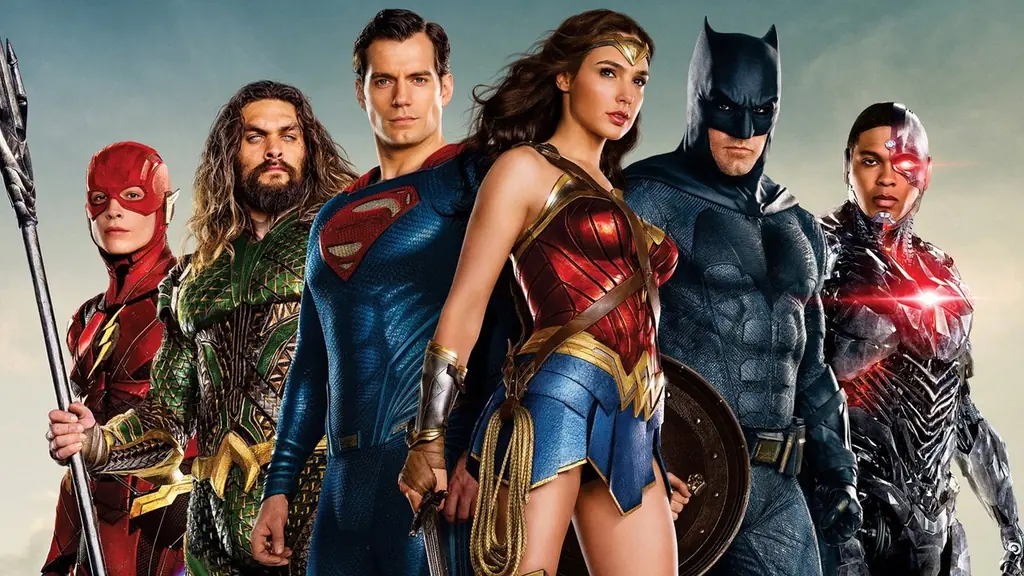
One of the film's greatest strengths lies in how it handles its established characters. What audiences loved about Ben Affleck's Batman and Gal Gadot's Wonder Woman in previous outings remains largely intact, with both characters even showing subtle growth. Batman, in particular, feels more evolved, a point the film thoughtfully addresses. But the real excitement comes with the introduction of the newcomers.
Ezra Miller's Flash emerges as the undeniable comic relief, injecting much-needed levity into the proceedings. His quips and nervous energy are a consistent source of humor, and his speed force visuals, with lightning crackling around him, are genuinely cool to witness. While some might nitpick the color of his lightning, it never detracts from the sheer spectacle of his abilities.
Jason Momoa brings a compelling personality to Aquaman, even if the character feels a bit sidelined in the grand scheme. He certainly has his moments of action, though a particularly cool sequence of him riding a parademon, unfortunately, fell victim to trailer spoilers. Then there's Cyborg, played by Ray Fisher. His CGI is noticeably inconsistent in certain scenes, a challenge given his 90% digital composition. However, the film dedicates a fair amount of time to developing his character, portraying him as a newbie grappling with his powers, which helps to forgive the visual shortcomings.
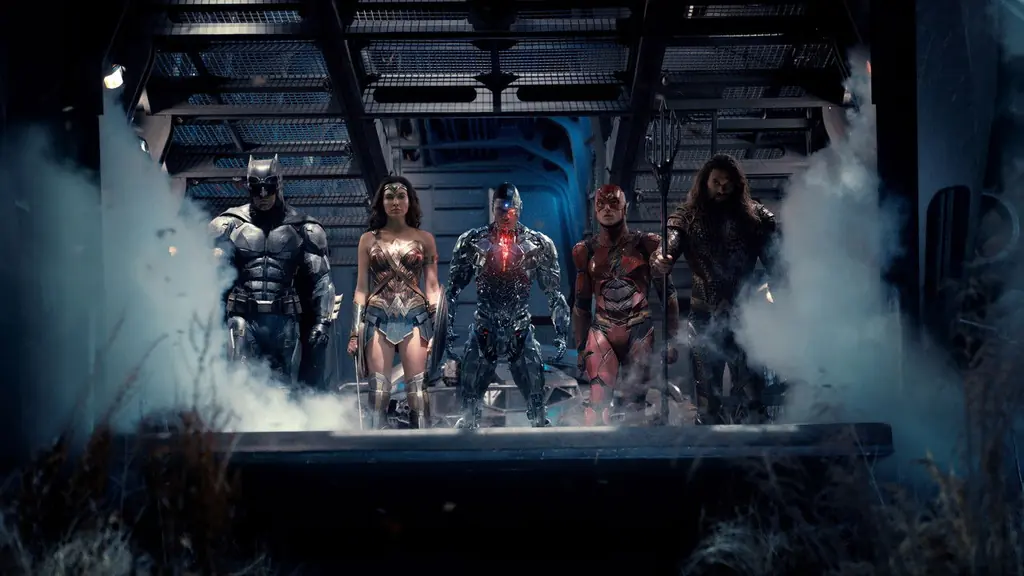
The dynamic between these heroes—a mix of seasoned veterans and fresh-faced rookies—is genuinely enjoyable. The film builds towards a climactic third act where the team finally fights together, creating a moment that truly feels like "the Justice League just happened." It's an experience that resonates, marking a significant milestone for the DC Extended Universe.
Cameos, Nostalgia & Narrative Stakes
The plot centers around Steppenwolf, a villain who, while functional for the story, ultimately feels like a middleman. He serves his purpose but struggles to leave a lasting impression, often fading from memory when not actively on screen. The true narrative weight rests on the heroes coming together, and in that regard, the film largely succeeds.
However, the film isn't without its stumbles. Pacing issues are evident, particularly in the first act. The film was reportedly cut down significantly from its original runtime, and these edits are noticeable, leading to some choppy transitions and a sense that crucial information or development is missing. There are even instances where the chronology seems to get fudged, creating minor inconsistencies with previous films in the universe.
Credit where it's due, the film wisely avoids forcing in unnecessary characters like Perry White or Lex Luthor, recognizing that they wouldn't organically fit into the immediate narrative. This decision benefits the overall focus on the core team.
Tone, Direction & Creative Freedom
Zack Snyder helms the picture, and the film attempts to balance its inherent darkness with a lighter, more humorous tone. This tonal shift, while appreciated in moments, isn't always seamless, leading to some jokes landing better than others. The mandated shorter runtime clearly impacted the film's flow and narrative coherence, suggesting a degree of creative constraint rather than unbridled artistic freedom. The desire for a leaner, faster-paced film sometimes comes at the expense of smoother storytelling.
The Final Verdict
Despite its imperfections, Justice League ultimately delivers a good time. It's an entertaining ride that, while not perfect, stands as a more enjoyable experience than its predecessor, Suicide Squad. For fans eager to see these iconic heroes unite and witness the spectacle of their combined powers, this film offers plenty of thrills and a satisfying sense of accomplishment. It's a cinematic event that, for all its flaws, leaves you feeling entertained and excited for the future of the DC universe.
What Worked
- The core heroes coming together is genuinely exciting.
- Established characters like Batman and Wonder Woman maintain their essence and show growth.
- Ezra Miller's Flash provides excellent comic relief and cool visuals.
- Jason Momoa brings a strong personality to Aquaman.
- Cyborg's character development is well-handled despite CGI challenges.
- Wisely avoids forcing in unnecessary character cameos.
What Didn't Work
- Pacing issues, especially in the first act, due to significant cuts.
- Steppenwolf is a functional but ultimately forgettable villain.
- Noticeable and inconsistent CGI for Cyborg in some scenes.
- Tonal shifts are sometimes jarring, and some humor falls flat.
- Minor chronological inconsistencies with previous DCEU films.
- Aquaman feels somewhat sidelined despite a strong performance.