Introduction
Kidnap arrives with a title that leaves little to the imagination, immediately setting the stage for a harrowing tale of a mother's desperate fight. Audiences were primed for a high-stakes thriller, and what they got was a relentless, almost singular focus on a parent's immediate, visceral reaction to the unthinkable. This isn't a slow-burn mystery; it's a pedal-to-the-metal pursuit from the very first glimpse of danger.
The Lead Dynamic & The Action
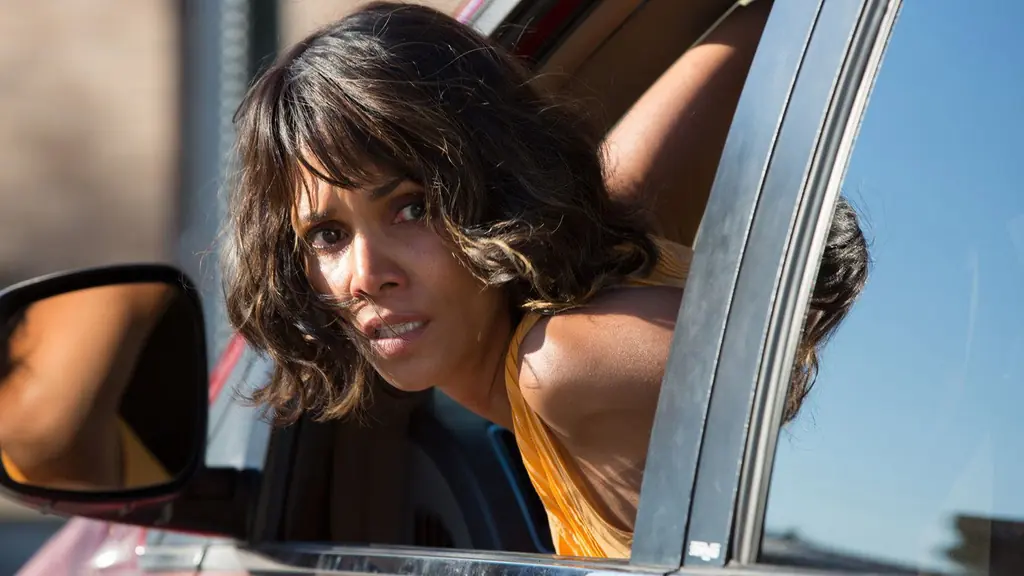
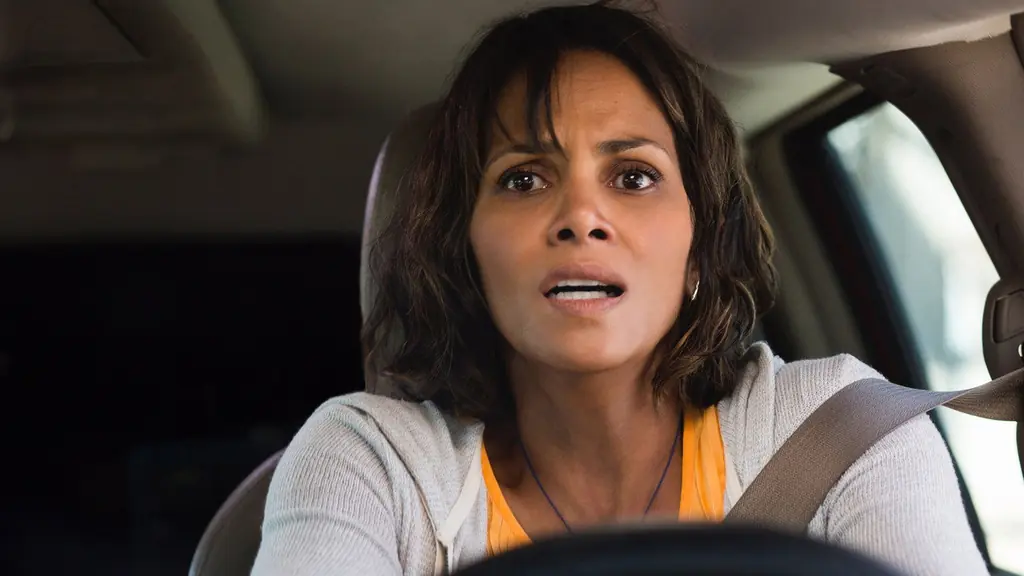
At the heart of this chase is Halle Berry, whose character witnesses her child being taken and, unlike many cinematic parents, doesn't wait for the authorities. Instead, she launches directly into a high-speed pursuit. The film largely consists of this one extended car chase, a continuous, adrenaline-fueled sequence that dominates the runtime. Berry's performance is marked by intense close-ups, often accompanied by her character's raw, desperate screams, conveying the sheer terror and determination of a mother pushed to her absolute limit. Despite being set in the modern era with smartphones, the film surprisingly evokes a strong '90s thriller vibe, from its musical score to its overall aesthetic, feeling like a throwback that perhaps should have fully embraced its retro leanings.
Cameos, Nostalgia & Narrative Stakes
The narrative of Kidnap is undeniably simplistic. While the initial premise of a mother immediately chasing her child's abductors is a refreshing twist on the genre, the plot struggles to evolve beyond this core concept. The film attempts to build mystery around the kidnappers, keeping their faces obscured for a significant portion, only to reveal them as rather unremarkable figures. This lack of a compelling antagonist or deeper motivation leaves the audience feeling a bit short-changed, as if the build-up promised something more substantial. Furthermore, the dialogue occasionally veers into cheesy territory, with lines that feel more at home in a bygone era of action cinema, further cementing that '90s sensibility.
Tone, Direction & Creative Freedom
Directed by Luis Prieto, the film maintains a relentless pace, but some directorial and editing choices occasionally pull viewers out of the immersion. There are moments, particularly during intense freeway sequences, where abrupt fades are used, perhaps to convey confusion, but instead feel jarring. More notably, the film struggles with the practicalities of high-speed stunts. When characters are thrown from a car, the vehicle's speed noticeably drops to a crawl, a common filmmaking compromise to ensure actor safety, but one that is particularly conspicuous here. These moments, while understandable from a production standpoint, highlight a disconnect between the intended intensity and the execution, making the action feel less impactful than it aims to be.
The Final Verdict
Ultimately, Kidnap is a film that delivers on its promise of a non-stop chase but little else. While Halle Berry gives a committed performance as a mother on the edge, the movie's simplistic plot, underdeveloped antagonists, and noticeable production compromises make it a largely forgettable experience. It's a straightforward action flick that might satisfy a craving for immediate thrills, but it won't linger in the memory long after the credits roll. For those seeking a deep, nuanced thriller, this isn't it. For a quick, undemanding ride, it might just pass the time.
What Worked
- Halle Berry's committed and intense performance.
- The unique premise of immediate parental pursuit.
- Relentless, non-stop car chase action.
- Evokes a nostalgic '90s thriller vibe.
What Didn't Work
- Simplistic and predictable plot.
- Unsatisfying and underdeveloped antagonists.
- Cheesy dialogue that feels dated.
- Noticeable editing and stunt compromises.
- Overall forgettable viewing experience.