Introduction
Step back into the gritty, lawless world of Prohibition-era Virginia with Lawless, a film that promised a visceral journey into the heart of America's moonshine black market. Audiences were eager to see a star-studded cast tackle a period ripe with crime, murder, and illicit fortunes. The setup is simple: when alcohol becomes illegal, a lucrative black market explodes, and the Bondurant family is right at its center, brewing and selling their potent moonshine.
The Lead Dynamic & The Action
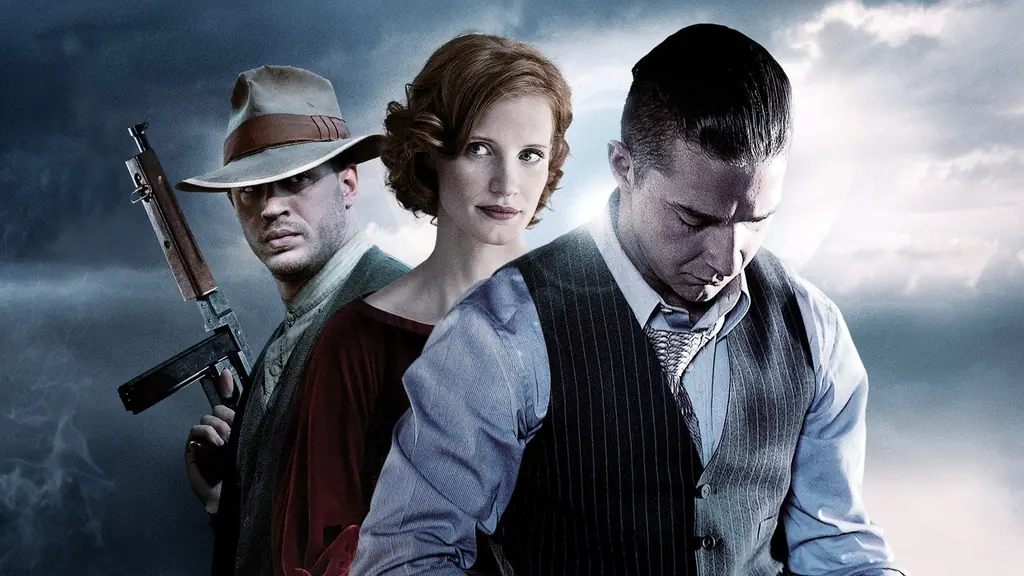
At the core of Lawless is the compelling dynamic between its leads. Shia LaBeouf truly shines as the central figure, delivering a performance that showcases his acting chops beyond the usual explosion-laden blockbusters. His character carries significant weight, anchoring the narrative with a believable journey. Adding a touch of unexpected sweetness, his romance with the character played by Mia Wasikowska (the "chick from Alice in Wonderland," as one might recall) provides a charming counterpoint to the surrounding brutality.
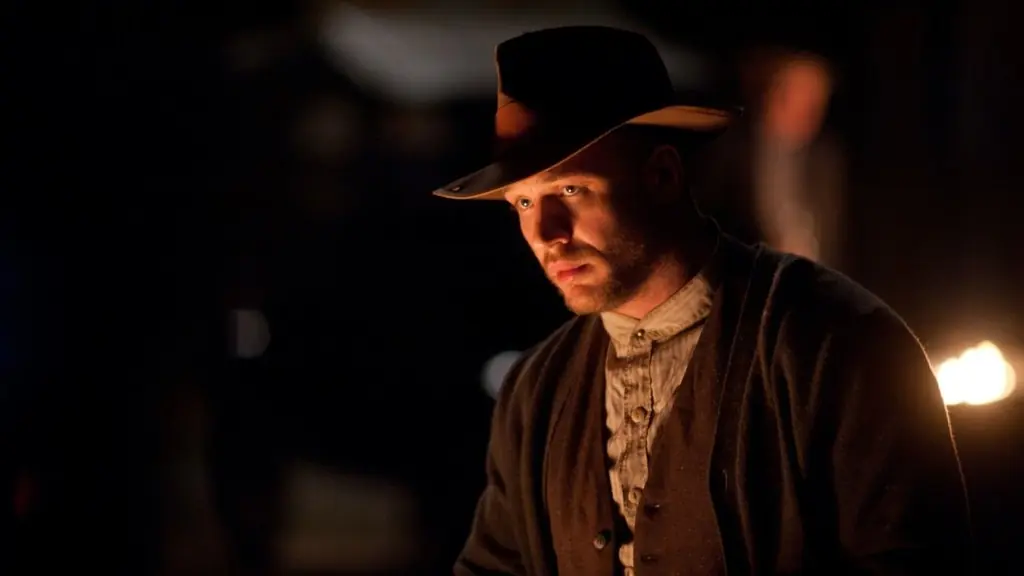
Then there's Tom Hardy, a phenomenal actor who, despite his limited dialogue, commands every scene. His character is a man of few words but immense action, maintaining an unnerving calm even when chaos erupts around him. Imagine Bane, post-Gotham, finding solace in prohibition-era America – that's the vibe. While the film isn't an all-out action fest, there are certainly moments where "Tommy Guns flying" and "bats cracking over people's heads" deliver a satisfying punch, though these are not the film's primary focus.
Cameos, Nostalgia & Narrative Stakes
The film introduces a truly memorable antagonist in Guy Pearce, whose portrayal of the agent trying to shut down the moonshine operation is nothing short of chilling. With his "creepy middle part" and unsettling demeanor, he embodies the traits of a serial killer, making him a perfect villain for any dark drama. His presence elevates the stakes, creating genuine tension.
However, not all casting choices land perfectly. Gary Oldman makes an unforgettable entrance, shredding a car with a Tommy Gun in one of the year's best character introductions. Yet, his subsequent appearance is so fleeting that it feels like a missed opportunity. His character could have been played by anyone, a fact that "bummed" many out, highlighting a common pitfall of underutilized talent.
Tone, Direction & Creative Freedom
Under the direction of John Hillcoat, Lawless firmly establishes itself as a drama, offering a realistic and immersive representation of the Prohibition era. This isn't a non-stop action flick; it's a period piece that delves into the harsh realities of the time. It's the kind of film a history teacher might show to truly do the era justice, capturing the essence of how things "went down there." While this commitment to realism is commendable, it means the pacing can occasionally feel slow, potentially boring those expecting constant thrills.
The Final Verdict
Ultimately, Lawless is a good time, no alcohol required, provided you know what you're signing up for. It's a film that will resonate deeply with those who appreciate a well-crafted prohibition-era drama and strong character performances. While it might not satisfy every action craving, its gritty realism, compelling lead dynamics, and genuinely creepy villain make it a worthwhile watch. If you enjoy historical narratives that prioritize character and atmosphere over relentless spectacle, this film is definitely for you.
What Worked
- Shia LaBeouf delivers a strong, central performance.
- Tom Hardy's stoic, action-oriented portrayal is captivating.
- Guy Pearce creates a genuinely unsettling and memorable villain.
- A realistic and immersive depiction of the Prohibition era.
- Features some intense, well-executed action sequences.
What Didn't Work
- Gary Oldman is severely underutilized in a brief cameo.
- Pacing can be slow, leading to some "boring" moments for action seekers.
- Not a pure action film, which might disappoint some viewers.
- Tom Hardy's character has limited dialogue.