Introduction
For years, the legend of Les Miserables has loomed large, often whispered about in hushed tones as "two VHS tapes long." Yet, this isn't just a lengthy film; it's an immersive experience that, despite its runtime, manages to transport audiences directly into its period with sweeping visuals and an unrelenting emotional core. Forget the myths of its duration; this musical drama, while substantial, is only five minutes longer than a certain caped crusader's epic, proving that impactful storytelling isn't always about brevity.
The Lead Dynamic & The Emotional Resonance
At its heart, Les Miserables is a tale of redemption and relentless pursuit, anchored by the compelling performances of its leads. Hugh Jackman as Jean Valjean delivers a nuanced portrayal of a man transformed by a single act of kindness, striving to live a righteous life despite his past. His journey from prisoner to respected figure is a powerful testament to the film's central theme of hope. Countering him is Russell Crowe as the unyielding Inspector Javert, whose unwavering commitment to the law drives much of the narrative tension. While Crowe's vocal performance might not be everyone's cup of tea, his dramatic presence is undeniable.
However, it's Anne Hathaway who truly steals the show in her limited but unforgettable screen time. Her portrayal of Fantine, particularly during a scene of profound despair, showcases "holy musical acting chops." The raw emotion she pours into her performance is palpable, leaving a lasting impression that resonates long after her character's arc concludes. The film is packed with strong vocal performances, with many cast members delivering their lines with impressive skill and emotional depth.
Cameos, Narrative Stakes & Comic Relief
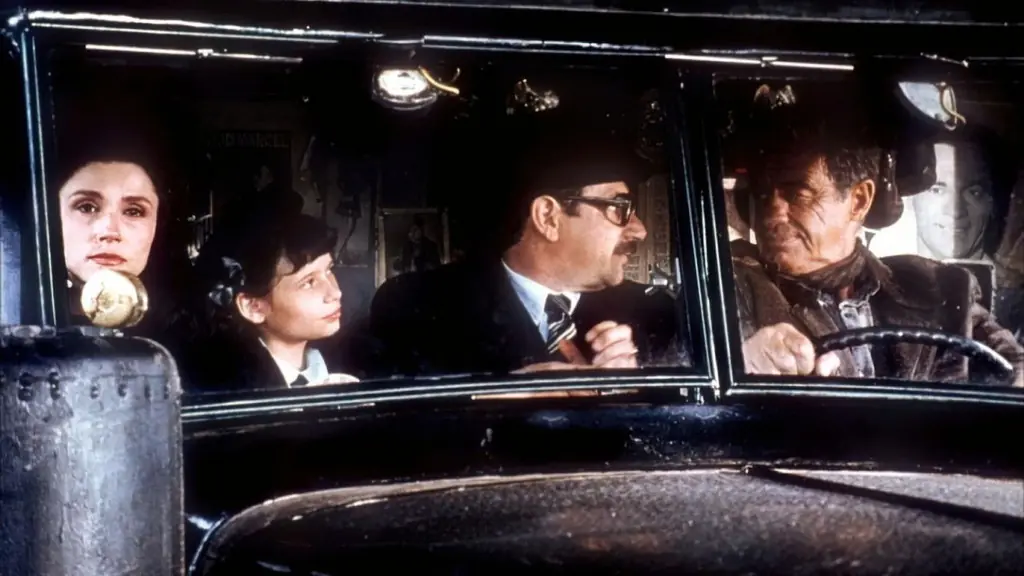
Amidst the drama, Sacha Baron Cohen and Helena Bonham Carter provide much-needed comic relief as the Thénardiers. Their performances, while sung, lean into a more theatrical, almost knowing, style that perfectly captures the wretchedness of their characters. They are the classic scoundrels, adding a layer of dark humor to the otherwise somber narrative. The film masterfully balances these lighter moments with the high narrative stakes, constantly reminding viewers of the characters' struggles and the ever-present glimmer of hope that defines their existence.
Tone, Direction & Creative Freedom
Claude Lelouch's direction embraces the musical format wholeheartedly, with nearly 99% of the dialogue delivered through song. This commitment creates an "artsy" and immersive experience that truly transports the audience into the period. The sweeping shots are particularly effective, making the viewer feel less like an observer and more like a participant in the unfolding drama. This isn't a film that breaks for musical numbers; it is a musical, demanding a certain level of engagement from its audience. For those who appreciate the unique storytelling power of an all-sung narrative, this approach is nothing short of a triumph.

The Final Verdict
Les Miserables is a deeply emotional and visually arresting experience that, despite its length and demanding musical format, offers a profoundly rewarding journey. It's a film about the enduring power of hope amidst the darkest despair, beautifully acted and often breathtakingly shot. While it won't appeal to every moviegoer, particularly those averse to musicals, fans of the genre will find it an absolute "utopia." It's a good time, no alcohol required, and a testament to the power of a single act of kindness.
What Worked
- Powerful, emotionally charged performances, especially from Anne Hathaway.
- Sweeping cinematography that immerses viewers in the historical period.
- A compelling narrative centered on hope and redemption.
- Strong vocal performances from the majority of the cast.
- Effective use of comic relief to balance the drama.
What Didn't Work
- Russell Crowe's singing performance is notably weaker than the rest of the cast.
- The all-sung format may be off-putting for viewers not accustomed to musicals.
- The film's considerable runtime can feel extended for some audiences.