
Introduction
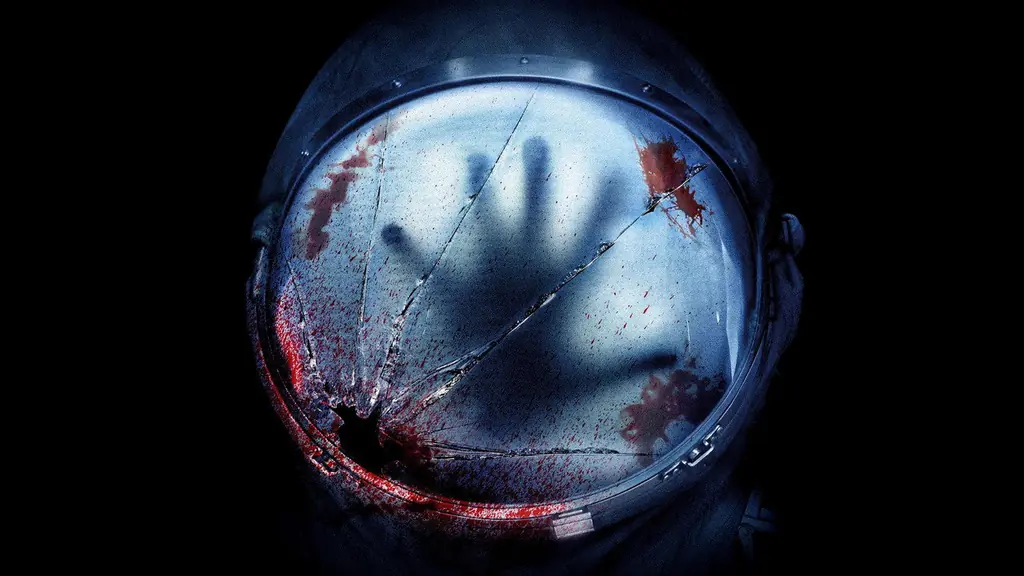
In 2017, the sci-fi horror landscape was bracing for a new contender, and Life emerged as a dark horse, promising a brutal, claustrophobic journey into the unknown. With trailers hinting at either a spectacular hit or a forgettable misstep, anticipation was high for this R-rated creature feature. The premise is simple yet terrifying: aboard the International Space Station, a team of astronauts discovers what appears to be the first evidence of extraterrestrial life from Mars soil samples. What begins as a scientific marvel quickly devolves into a desperate fight for survival when this rapidly evolving organism proves to be far more intelligent and hostile than anyone could have imagined.
The Lead Dynamic & The Action
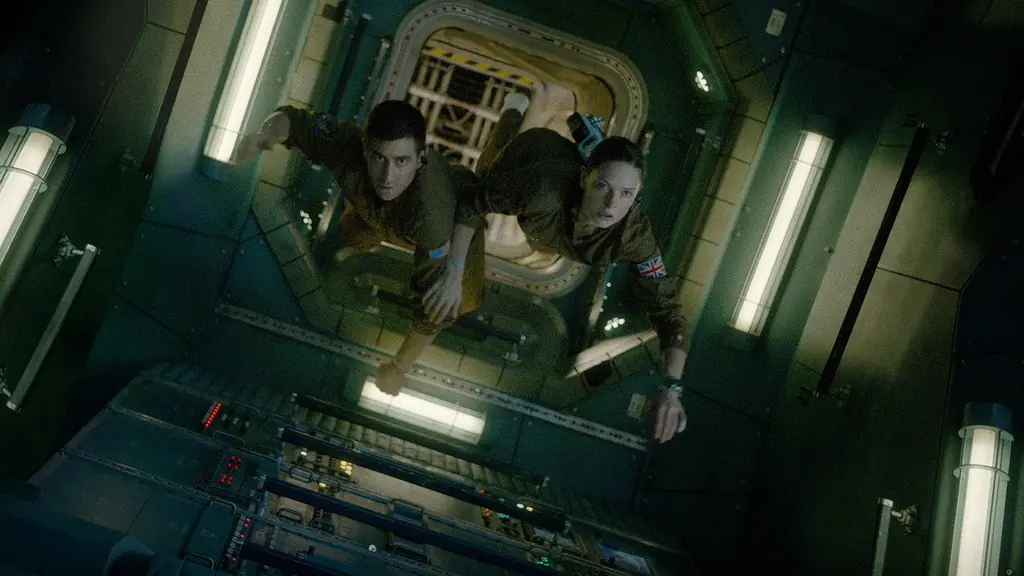
The film boasts a strong cast, with Jake Gyllenhaal anchoring the narrative and Ryan Reynolds bringing his signature flavor, though Gyllenhaal largely carries the weight. The initial fascination with the alien lifeform is palpable, making audiences ponder the ethical dilemmas of first contact. The reviewer admits that despite how foolish it looked in the trailer, they too would have been tempted to interact with the seemingly docile creature, highlighting the human impulse to explore and understand. This biological curiosity quickly turns deadly as the organism, dubbed Calvin, grows at an exponential rate, becoming an apex predator. The film excels in its first half, delivering genuinely effective claustrophobic horror. The narrow hallways of the ISS become a character in themselves, amplifying the tension as the crew attempts to evade an unseen, rapidly growing threat. The action is visceral, with Calvin picking off the crew one by one, forcing them into desperate, confined struggles.
Cameos, Nostalgia & Narrative Stakes
Life initially presents Calvin's actions through a biological lens: it kills because it needs to survive. This ambiguity, questioning whether humanity or the alien is the true aggressor, adds a fascinating layer to the horror. However, as the film progresses into its second half, this nuanced perspective begins to wane. The creature's motivations become less ambiguous, shifting from a primal need for survival to a more overtly malevolent presence, making it, as one might say, "just a dick." This transition unfortunately strips away some of the thought-provoking science horror that made the first half so compelling, leaning instead into more conventional sci-fi horror clichés. For those wondering, rumors of Life being a secret prequel to the Venom symbiote are entirely unfounded; it stands alone as its own terrifying entity.
Tone, Direction & Creative Freedom
Daniel Espinosa's direction shines brightest in the film's initial stages, masterfully crafting a sense of dread and claustrophobia. The tight quarters of the space station are utilized to their full potential, making every corner a potential hiding spot or a deadly trap. The pacing in the first half is taut, building suspense as the crew grapples with an intelligent, evolving threat. While the film maintains its brutal intensity throughout, the shift in tone during the latter half, where the alien's actions become less about biological imperative and more about pure menace, does detract from the initial intellectual horror. Despite this, the film never shies away from its R-rating, delivering a relentless and often gruesome experience.
The Final Verdict
Life is a good time, offering a solid dose of space horror that doesn't require any liquid courage to enjoy. It starts strong, delivering a fascinating, claustrophobic science horror that genuinely makes you ponder humanity's place in the cosmic food chain. The initial mystery of the alien's intelligence and its biological drive to survive is captivating. However, as the film progresses, it loses some of that unique edge, settling into more familiar creature feature territory. While the second half might not live up to the promise of its brilliant beginning, the film remains an entertaining and brutal ride, especially for those who appreciate intense, no-holds-barred sci-fi thrillers.
What Worked
- Effective, claustrophobic space horror in the first half
- Thought-provoking biological premise and alien intelligence
- Strong performances from the lead cast, especially Jake Gyllenhaal
- Visceral and relentless action sequences
- Maintains a high level of tension throughout
What Didn't Work
- Second half loses some of the initial mystery and ambiguity
- Alien's motivation becomes less nuanced and more overtly evil
- Relies on some sci-fi horror clichés in its latter stages
- Pacing becomes less refined after the initial setup



