Introduction
Anticipation for a film about Abraham Lincoln often conjures images of sprawling biopics, tracing a life from cradle to grave, often with significant stretches that feel less than essential. Many moviegoers brace for a three-hour history lesson, hoping to find the compelling 25% amidst a sea of biographical minutiae. Yet, Lincoln, under the astute direction of Steven Spielberg, boldly sidesteps this conventional approach. Instead, it zeroes in on the final, tumultuous months of Lincoln's life, specifically his relentless pursuit of the 13th Amendment to abolish slavery. This focused narrative choice is not just refreshing; it's a masterstroke that transforms a potentially dry historical account into a riveting, deeply human drama.
The Lead Dynamic & The Action
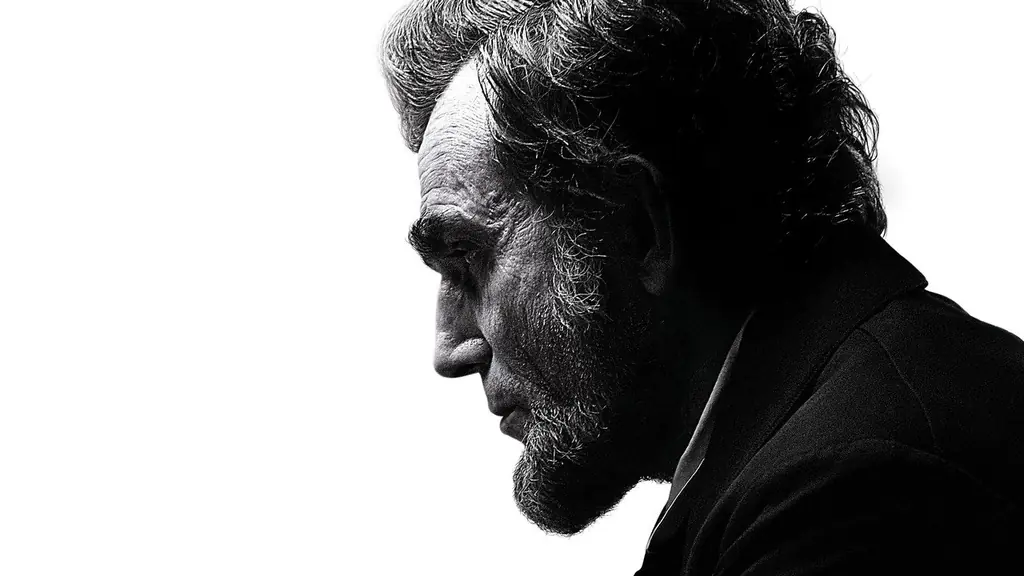
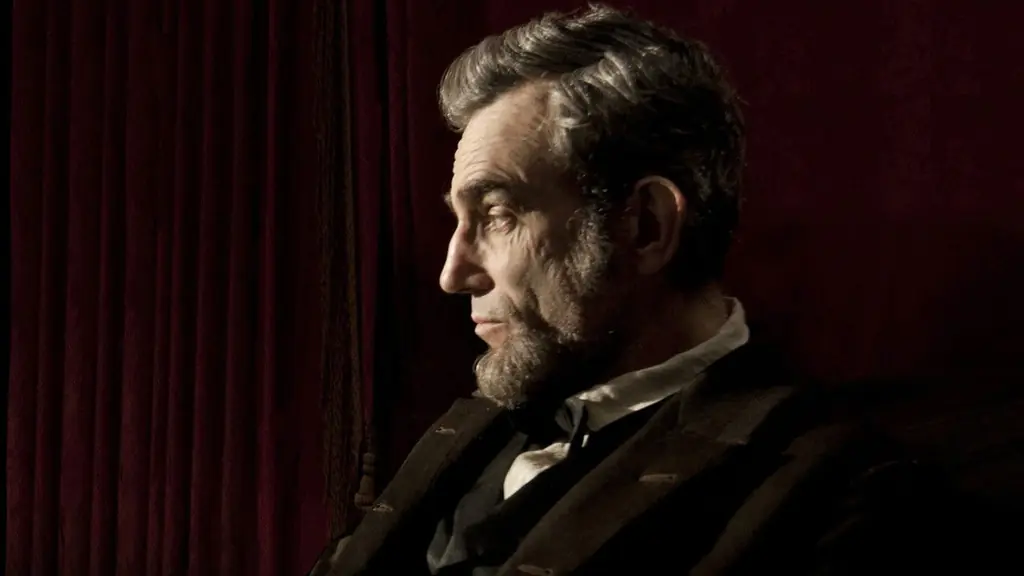
At the heart of Lincoln is Daniel Day-Lewis's utterly transformative portrayal of the 16th President. This isn't the stoic, almost mythical figure of legend; it's Abraham Lincoln the man. Day-Lewis peels back the layers of historical reverence, revealing a hunched, soft-spoken individual with a penchant for storytelling, a man driven by an unwavering moral compass. He's a figure of quiet intensity, rarely losing his composure, even when faced with immense pressure. This nuanced performance is perfectly complemented by the fiery presence of Tommy Lee Jones as Thaddeus Stevens, Lincoln's ideological opposite in temperament, whose explosive intensity provides a compelling foil. The film's "action" isn't found on the battlefield, but in the intense "war of words" within the political chambers. It's a high-stakes chess match, a relentless negotiation and persuasion game to secure the votes needed for the 13th Amendment. The tension during the final vote sequence is palpable, drawing viewers in with an intensity that rivals any physical confrontation, making a known historical outcome feel utterly suspenseful.
Cameos, Nostalgia & Narrative Stakes
Lincoln boasts an enormous ensemble cast, a veritable who's who of talent that could easily become a distraction. Yet, each actor, from James Spader to Joseph Gordon-Levitt, seamlessly integrates into the narrative tapestry. The film avoids the pitfalls of excessive fan service, instead leveraging these familiar faces to populate a richly detailed historical world. The narrative stakes are crystal clear and profoundly impactful: the abolition of slavery. The film unflinchingly portrays the moral compromises, the backroom deals, and the political maneuvering required to achieve such a monumental goal. It highlights that even the noblest of causes often demands a pragmatic, sometimes messy, approach, where secrets are kept and hands are not always clean. This grounded, realistic depiction of political struggle elevates the film beyond mere historical reenactment.
Tone, Direction & Creative Freedom
Steven Spielberg's direction is nothing short of masterful. He demonstrates remarkable creative freedom by choosing to focus on a specific, critical period rather than attempting to encompass an entire life. This decision allows for a deep dive into the complexities of the political process and the personal toll it took on Lincoln. The tone is serious and contemplative, yet punctuated by moments of quiet humor and profound human insight. The pacing is deliberate, building tension through dialogue and character interaction rather than spectacle. The acting, across the board, is described as "perfectly acted," a testament to both Spielberg's guidance and the caliber of the performers. The film informs, entertains, and keeps the audience utterly engaged, proving that historical drama can be as gripping as any thriller when handled with such precision and care.
The Final Verdict
Lincoln is an "Awesometacular" achievement, a film that not only meets but exceeds expectations for historical drama. It's a deeply immersive experience that strips away the myth to reveal the man, the political strategist, and the moral leader. By focusing on the intense legislative battle for the 13th Amendment, the film delivers a powerful, relevant, and utterly captivating story. It's a testament to focused storytelling, impeccable performances, and direction that understands the power of words over warfare. This is a film that will stay with you, prompting reflection on leadership, conviction, and the arduous path to justice.
What Worked
- Brilliant, focused narrative on the 13th Amendment
- Daniel Day-Lewis's transformative, human portrayal of Lincoln
- Ensemble cast delivers perfectly acted, compelling performances
- Intense and gripping political drama, a true "war of words"
- Informs, entertains, and deeply engages the audience
What Didn't Work
- Limited depiction of Civil War battles, focusing solely on politics
- Dense political dialogue may not appeal to all viewers