Introduction
Imagine a future where time travel is illegal, yet exploited by organized crime to dispose of bodies by sending them back in time. This is the intriguing setup for Looper, a film that immediately hooked audiences with its high-concept premise. The trailer teased a thrilling chase: a young assassin, Joe (Joseph Gordon-Levitt), tasked with eliminating targets sent from the future, suddenly faces his older self (Bruce Willis). While this core conflict is undeniably compelling, the film quickly reveals itself to be far more than a simple cat-and-mouse game. It's a narrative rich with unexpected turns and profound layers, surprising viewers at every twist.
The Lead Dynamic & The Action
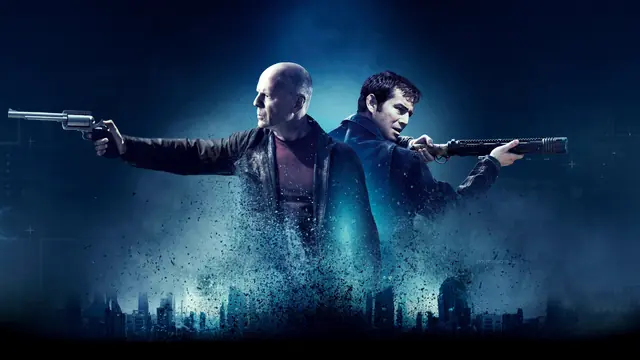
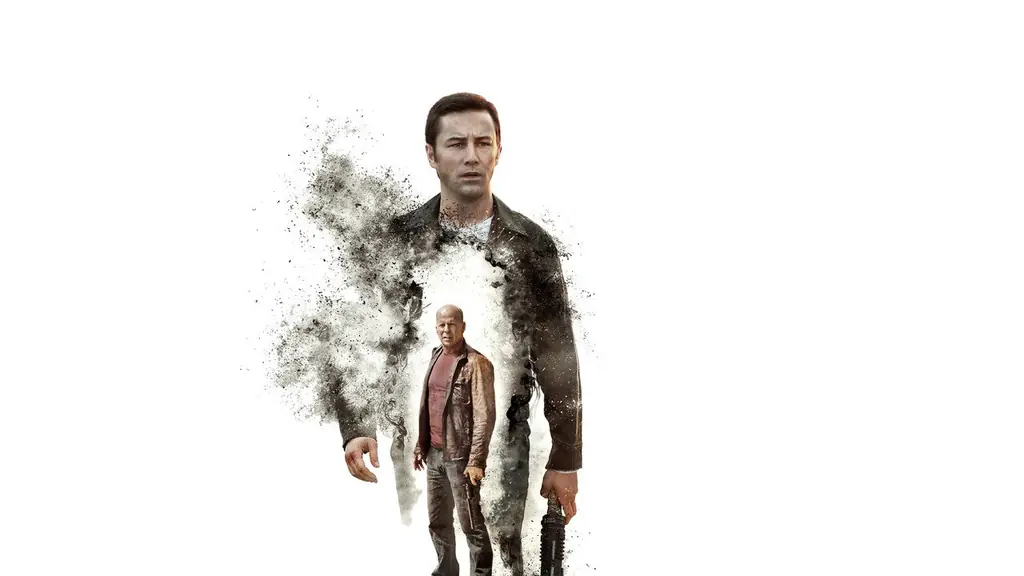
The heart of Looper lies in the extraordinary dynamic between its two lead characters. The film masterfully portrays the older Joe as the inevitable future of the younger Joe, creating a singular dilemma for one person's life converging at a critical point. This isn't merely about one version trying to kill the other; it's a deeply personal struggle where the past and future selves are inextricably linked, making both characters equally relevant and understandable. The performances from both Joseph Gordon-Levitt and Bruce Willis are exceptional, anchoring this complex relationship with gravitas and nuance. Beyond the character study, the film also delivers "cool action" sequences that are engaging without ever devolving into "sci-fi cheese," maintaining a grounded, gritty feel.
Cameos, Nostalgia & Narrative Stakes
Looper excels not just in its leads, but also in its supporting cast and razor-sharp dialogue. Jeff Daniels shines as Joe's boss, delivering memorable lines and proving to be a relevant character despite limited screen time. The dialogue throughout the film is remarkably well-written, featuring natural small talk, bickering, and banter that makes interactions feel genuinely real, reminiscent of the best scripts from writers like Quentin Tarantino. A standout surprise is the performance of the child actor, Pierce Gagnon, who defies the common trope of child actors being a "weak link" in sci-fi, delivering a truly "legit" and impactful portrayal. The narrative consistently introduces unexpected elements, ensuring the audience remains engaged and surprised by where the story ventures.
Tone, Direction & Creative Freedom
Director Rian Johnson navigates the tricky waters of time travel with confidence. While the mechanics of cause and effect in a time-travel narrative can often be convoluted, Looper establishes its own internal logic, explaining how time works "in this movie" while acknowledging the inherent vagueness of such concepts. This approach allows the film to maintain its narrative integrity without getting bogged down in overly complex explanations. The world-building is further enhanced by Joseph Gordon-Levitt's voiceover, which provides a lived-in perspective of his life as a looper, giving the futuristic setting "relevance" and "clout." The film's overall originality and compelling nature are its greatest strengths, even when it touches upon familiar sci-fi elements, it always manages to make them uniquely its own.

The Final Verdict
Looper is a rare gem that transcends expectations. It combines great actors portraying solid characters with exceptional dialogue and "cool action" sequences. Far from being just another sci-fi flick, it possesses genuine heart and relevance, surprising on every level. This is an "awesometacular" cinematic experience that proves a September sci-fi release can be truly outstanding.
What Worked
- Deeply layered narrative that goes beyond a simple premise.
- Compelling character dynamic between past and future selves.
- Sharp, realistic dialogue with natural banter.
- Strong performances from the entire cast, including the child actor.
- Unique, original, and compelling story that surprises at every turn.
What Didn't Work
- The intricate time travel mechanics, while internally consistent, can be "tricky" and might prompt viewers to question cause and effect.
- While the film establishes its own rules for time travel, the inherent vagueness in explaining these complex paradoxes might leave some viewers wanting more concrete answers.