Introduction
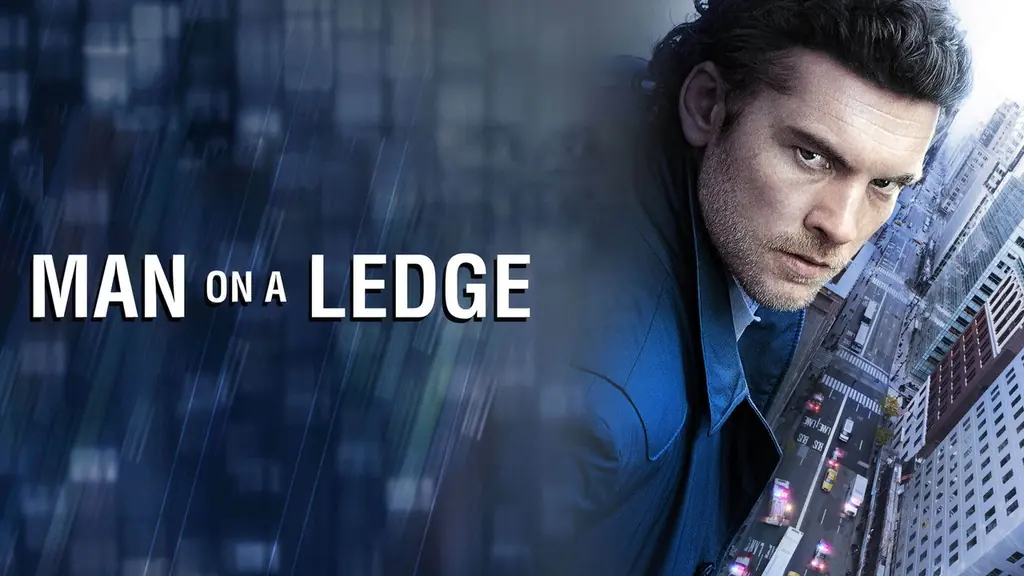
From the outset, Man on a Ledge dangles an intriguing premise: a man threatening to jump, drawing a crowd and a negotiator, while something far more intricate unfolds beneath the surface. The setup hints at a taut, single-location thriller akin to "Phone Booth," promising a focused, high-tension experience. Yet, despite the initial allure, the film quickly reveals itself to be less a gripping psychological drama and more a generic action-thriller that struggles to leave a lasting impression.
The Lead Dynamic & The Action
At the center of this high-rise drama is Sam Worthington, whose performance, unfortunately, does little to elevate the material. The critical consensus points to Worthington's consistent portrayal of "that guy"—a character type so interchangeable across his filmography that his response to any cinematic challenge could simply be, "I'm going to do what I do." This lack of range means that even in a precarious situation, his character fails to resonate with the depth or urgency the premise demands. While the film attempts to build suspense around his predicament, the action sequences, particularly those related to the concurrent heist, often feel uninspired and, at times, illogical. The narrative struggles to make these high-stakes scenarios believable, leaving audiences questioning the mechanics rather than being swept up in the thrill.

Cameos, Nostalgia & Narrative Stakes
Beyond Worthington's central role, the film introduces a heist plot that unfolds simultaneously with the rooftop standoff. This secondary storyline, intended to add layers of intrigue, instead comes across as remarkably generic. The execution of the heist is riddled with questionable logic, prompting viewers to repeatedly think, "that wouldn't work." A notable element of this subplot is the inclusion of a "hot chick" sidekick, played by Genesis Rodriguez. While eye candy is often a welcome bonus, the character's presence feels primarily driven by superficial appeal rather than narrative necessity or genuine skill within the heist. Her role is criticized for being poorly justified, suggesting a casting choice made for reasons other than character development or acting prowess. This detracts from any potential narrative stakes, as the film prioritizes fleeting visual appeal over a cohesive, believable plot.
Tone, Direction & Creative Freedom
Directed by Asger Leth, the film attempts to balance suspense with action, but the overall tone often veers into forgettable territory. While there are fleeting "cool moments" that momentarily capture attention, these are too few and far between to salvage the experience. The pacing, while attempting to be brisk, often highlights the plot's contrivances rather than masking them. Ultimately, Man on a Ledge feels more suited for a straight-to-DVD or television release than a theatrical run. The critical takeaway is clear: paying a premium for this experience feels unwarranted, as the film delivers a largely unremarkable and easily forgotten viewing.
The Final Verdict
Man on a Ledge is a film that, despite its promising setup, ultimately falls short of delivering a memorable thriller. It's not a catastrophic failure, but it's far from a triumph. Viewers are likely to walk away with a shrug, perhaps a "meh," and a distinct feeling that they'll have forgotten most of it by tomorrow. It's the kind of movie that exists, rather than truly lives, in the cinematic landscape.
What Worked
- Intriguing initial premise of a man on a ledge
- Some fleeting "cool moments" of action
- Features a cast of recognizable actors
- Attempts a dual-narrative heist thriller
What Didn't Work
- Sam Worthington's performance lacks range and distinction
- Heist plot is generic and often illogical
- Character justification for the "hot chick" sidekick is weak
- Overall experience is forgettable and not worth theatrical price