Introduction
Step into the sun-drenched, gritty world of 1997 Los Angeles with mid90s, a film that doesn't just revisit the era, it lives and breathes it. Directed and written by Jonah Hill, this cinematic journey promised a genuine peek into a pre-social media adolescence, where kids found their escape in video games, forts, and, for some, the exhilarating freedom of a skateboard. The anticipation for a film so deeply rooted in a specific time and place was palpable, and it largely delivers on its promise of authentic nostalgia.
The Lead Dynamic & The Action
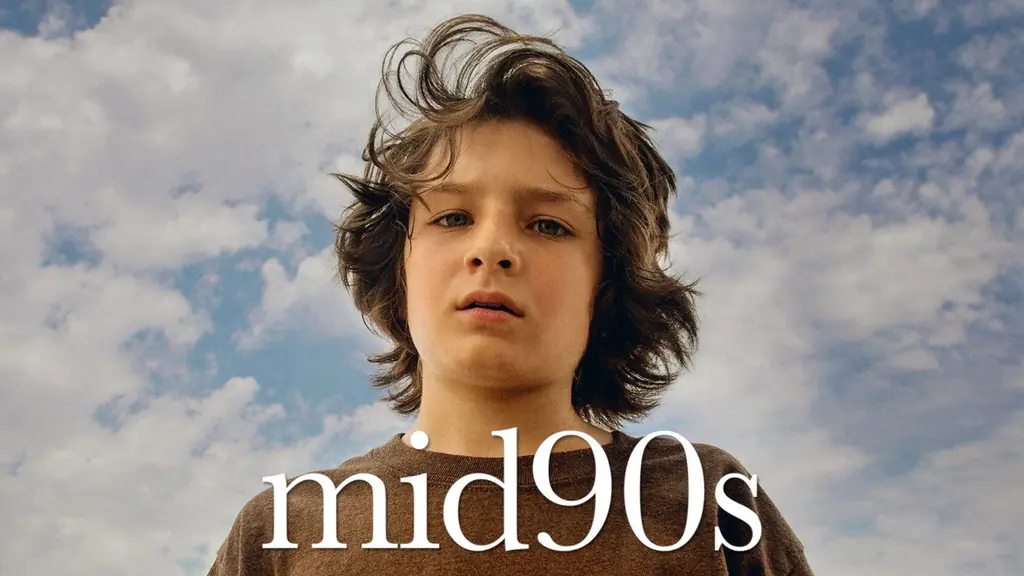
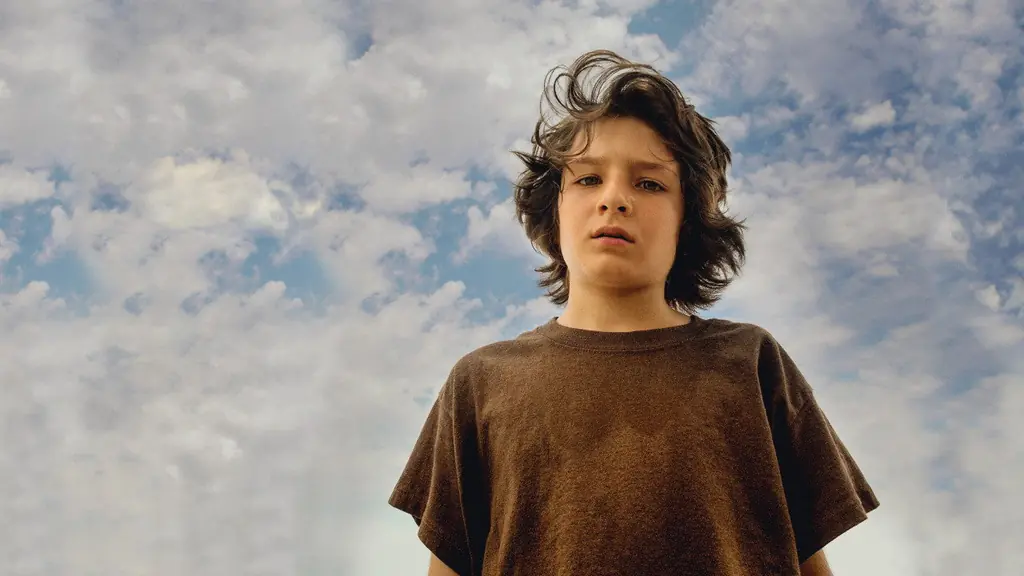
At its heart, mid90s follows a young kid, played by Sunny Suljic, navigating a truly rough home life. His brother, portrayed by Lucas Hedges, isn't just playfully roughhousing; he's genuinely abusive, leaving the protagonist bruised and searching for solace. This harsh reality pushes him towards a new "family" – a crew of skateboarders who hang out at a local shop. He picks up a board, earns the fitting nickname "Sunburn," and finds a sense of belonging he desperately craves. The dynamic among these friends, including Na-kel Smith, Olan Prenatt, Gio Galicia, and Ryder McLaughlin, feels remarkably real, capturing the camaraderie and casual banter of youth. It's a simple, sweet story about finding your tribe when your own family falls short, resonating with anyone who ever felt like an outsider.
Cameos, Nostalgia & Narrative Stakes
One of the film's most striking achievements is its unwavering commitment to period authenticity. From the 4:3 aspect ratio that makes it feel like a forgotten indie gem from the era, to the specific detail of a PlayStation 1 with an analog controller (pinpointing the setting to 1997), every frame screams "mid-90s." This isn't just superficial window dressing; it's woven into the fabric of the narrative. The language used by the characters, including terms that might raise eyebrows today, is presented as an artistic representation of the time, reflecting the common vernacular of youth in that specific decade. While some might find these terms jarring, the film uses them to paint an honest, albeit sometimes uncomfortable, picture of the past. The narrative, however, does stumble slightly towards the end. The film concludes rather abruptly, leaving a sense that more consequences should have unfolded for certain events. It's a short ride, just shy of an hour and a half, and while its brevity contributes to its raw, unpolished feel, the ending leaves a lingering desire for a more definitive resolution.
Tone, Direction & Creative Freedom
Jonah Hill's direction is confident and assured, crafting a film that feels less like a modern recreation and more like a time capsule. The tone is a delicate balance of raw realism and tender coming-of-age sweetness. It captures the essence of youthful rebellion, the awkwardness of first crushes (like with Alexa Demie's character), and the profound need for acceptance. The film doesn't shy away from the darker aspects of its characters' lives, offering a peek behind the curtain into their often-troubled home environments. This unflinching honesty, combined with the film's visual style, makes it feel like a genuine independent film from the 90s, rather than a glossy Hollywood production. It's clear that Hill was given the creative freedom to tell this story exactly as he envisioned it, resulting in a deeply personal and resonant piece of filmmaking.
The Final Verdict
mid90s is a genuinely sweet and interesting film that transports viewers back to a specific moment in time. It's a poignant exploration of a kid desperately seeking a family, finding it not in blood, but in the bonds forged on the asphalt. While its abrupt ending might leave some wanting more, its authentic portrayal of youth, its strong sense of place, and its heartfelt narrative make it a compelling watch. For those who lived through the 90s, it's a potent dose of nostalgia; for others, it's an insightful look into a bygone era of adolescence. This film is a welcome home with flowers, a testament to the enduring power of friendship and self-discovery.
What Worked
- Authentic and immersive portrayal of mid-90s youth culture.
- Heartfelt and sweet story about finding belonging and a new "family".
- Strong sense of nostalgia, even for non-skaters.
- Effective use of 4:3 aspect ratio for period feel.
- Realistic depiction of friendships and home life struggles.
What Didn't Work
- The ending feels abrupt and leaves some narrative threads unresolved.
- Some plot points felt like consequences were dodged.
- Use of period-appropriate but potentially offensive language may be jarring for some viewers.