Introduction
The cinematic landscape of 2012 saw not one, but two major retellings of the classic Snow White tale. While one promised a darker, grittier fantasy, the other, Mirror Mirror, aimed for a more whimsical, albeit "hip and edgy," approach. Audiences, perhaps anticipating a fresh spin on a beloved story, were instead met with a film that, from its very premise, felt like a gamble. This particular adaptation, directed by Tarsem Singh, quickly established itself as a peculiar beast, attempting to modernize a fairy tale while simultaneously feeling strangely out of touch.
The Lead Dynamic & The Action
At the heart of any Snow White story is the dynamic between the innocent princess and her vain, wicked stepmother. Here, Julia Roberts steps into the formidable shoes of the Evil Queen, while Lily Collins portrays Snow White, and Armie Hammer takes on the role of the Prince. However, the chemistry often feels forced, and the performances, particularly Roberts's, suffer from an inconsistent accent that shifts between regal pronouncements and her natural cadence. The film's attempts at humor frequently fall flat, exemplified by a cringeworthy scene where the Prince, under a love potion, acts like a literal puppy dog.
Amidst the narrative missteps, a few moments manage to break through the pervasive mediocrity. A montage sequence, depicting Snow White training with the dwarves, stands out as a rare highlight. It's a moment of genuine fun, largely because it's driven by action and visual storytelling rather than dialogue. Another surprisingly effective scene involves giant marionettes, controlled by the Queen, attacking Snow White and the dwarves. This sequence, with its unique visual flair, offers a glimpse of the creative potential that the rest of the film largely squanders.
Cameos, Nostalgia & Narrative Stakes
Mirror Mirror attempts to inject a modern sensibility into its fairy tale setting, but the result is a "gritty Snow White tale that no one gave a shit about" during its creation. The narrative struggles to establish genuine stakes, often prioritizing superficial "edginess" over compelling storytelling. The film's reliance on familiar tropes feels less like homage and more like a desperate attempt to cling to the original's charm without understanding its essence. Even the appearance of a beloved actor like Sean Bean as the King feels like a missed opportunity, a cameo that ultimately "broke the heart" of this critic, highlighting the film's inability to utilize its talent effectively. The balance between fan service and actual plot development is heavily skewed, leaving audiences with a sense of narrative hollowness.
Tone, Direction & Creative Freedom
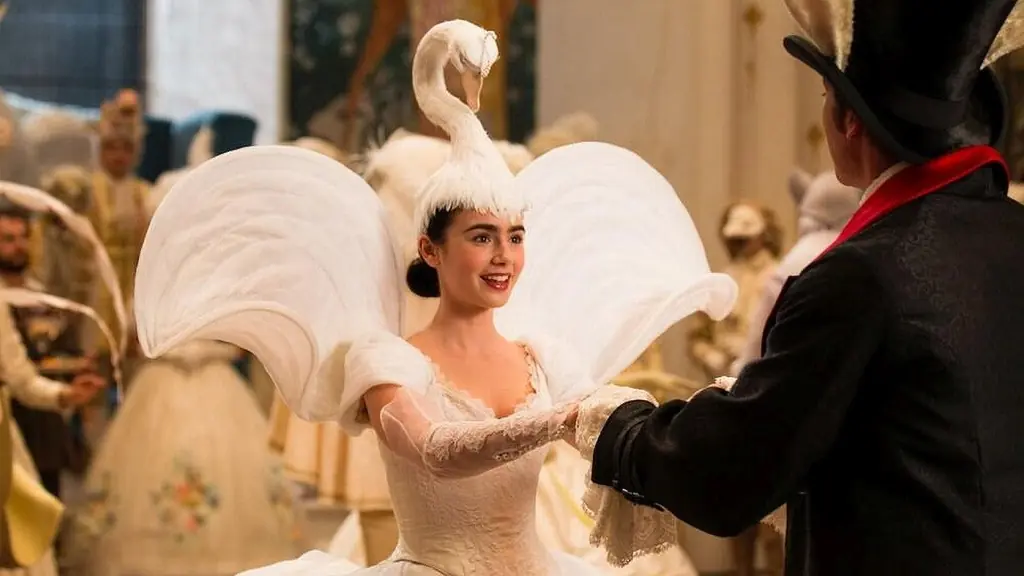
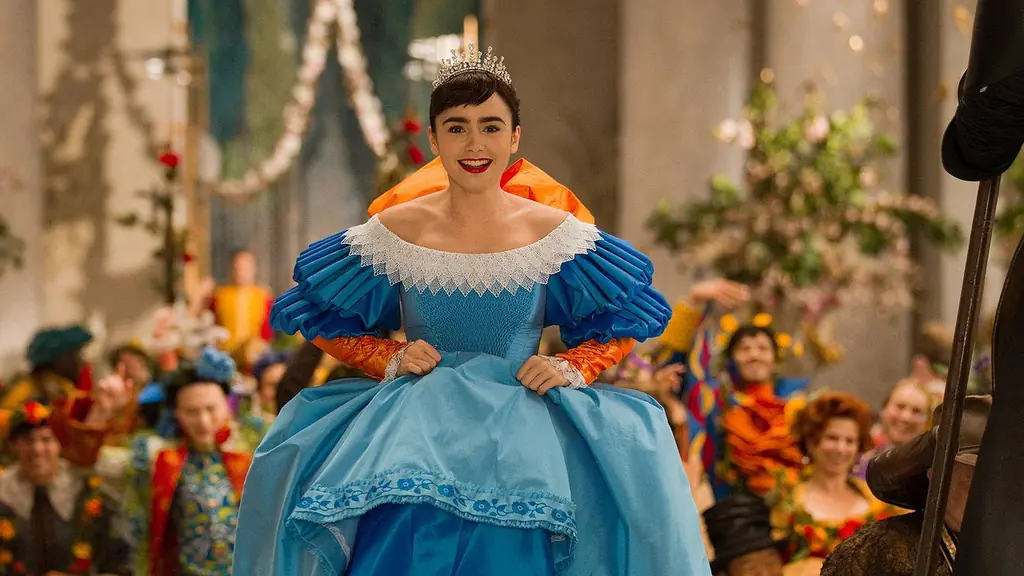
The directorial vision for Mirror Mirror is a perplexing one. It's as if Tarsem Singh, known for his visually distinct but often bizarre films like "The Cell" and "Immortals," was given free rein to create a PG-rated Snow White while "dropping acid." The result is a film that constantly oscillates between a desire for a grand, enchanted world and the reality of its execution. The sets, particularly those depicting the woods, often look "small" and artificial, evoking the feeling of a "movie of the week on the Disney Channel" rather than a theatrical release. This visual cheapness, combined with an inconsistent tone, suggests a lack of clear creative direction or perhaps an overabundance of misguided freedom. The film tries to be hip and edgy but ultimately comes across as a "cheesy, corny cartoon version of Snow White" that is, ironically, "cheesier and more cartoony than the actual animation."
The Final Verdict
Ultimately, Mirror Mirror is a film that struggles to justify its existence. While it aims to be a fresh, contemporary take on a classic, it lands closer to a muddled, uninspired mess. Despite a couple of fleeting moments of visual interest, the pervasive cheesiness, inconsistent performances, and a general lack of narrative conviction make it a difficult watch for anyone beyond the youngest, most uncritical viewers. This is a film that, in the words of the reviewer, is "dog shit," and if it's worse than the original animated classic, then it truly has "no place in the universe" of cinema.
What Worked
- A surprisingly enjoyable montage of Snow White training with the dwarves.
- The creative marionette action sequence offered a brief spark of originality.
What Didn't Work
- Inconsistent tone, attempting to be edgy while remaining overly childish.
- Visually cheap-looking sets that resemble a TV movie.
- Julia Roberts' wavering accent detracts from her villainous performance.
- Cheesy, cringeworthy plot points, like the "puppy dog" love potion.
- Wasted potential with a beloved actor in a minor, heartbreaking cameo.