Introduction
When Murder on the Orient Express pulled into theaters, anticipation was high. A classic Agatha Christie tale, a star-studded cast, and Kenneth Branagh both directing and starring as the iconic Hercule Poirot. For many, this was a fresh journey into a beloved mystery, a chance to see a familiar story unfold with modern cinematic flair. The stage was set for a thrilling whodunit, promising to whisk audiences away on a luxurious, snowbound adventure.
The Lead Dynamic & The Action
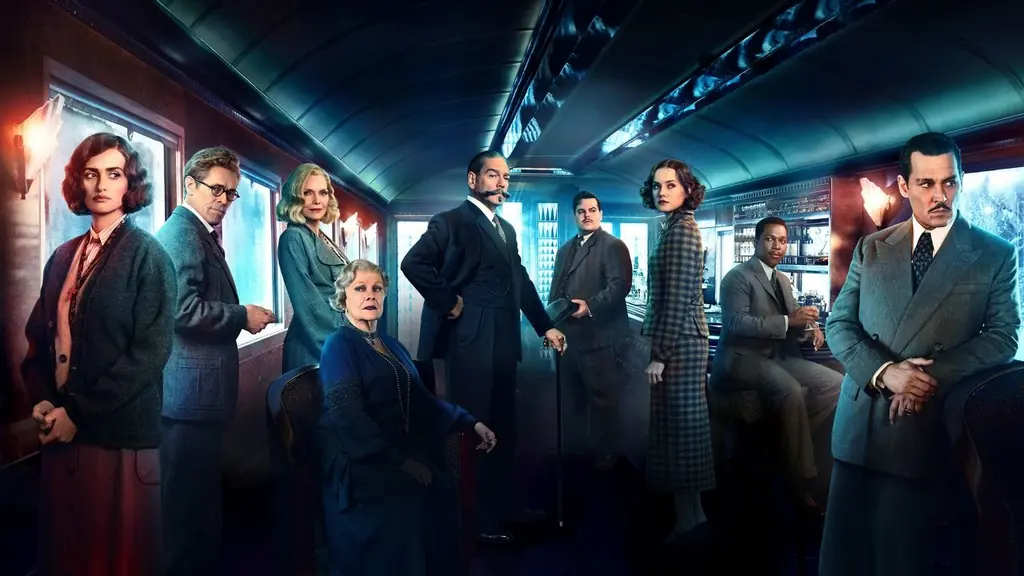
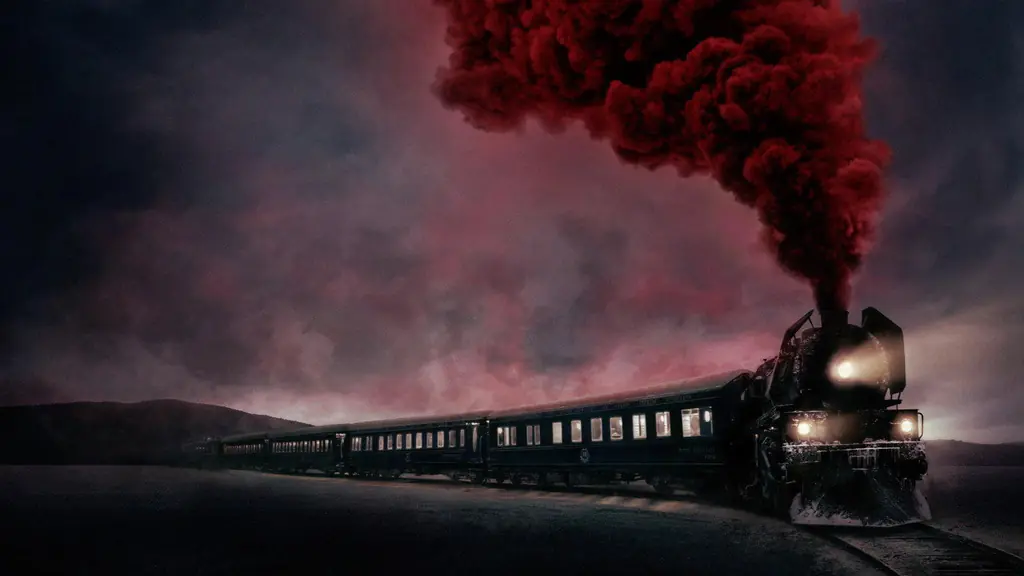
From the outset, it's clear that Kenneth Branagh has a keen eye for visual storytelling. The film "looks great," boasting a striking color palette and contrast that truly allows his directorial vision to shine. Branagh's dual role as director and lead detective Hercule Poirot is a standout. His portrayal of the "greatest detective in the world" is captivating, establishing Poirot's intellect and eccentricities with a compelling performance. He carries the film with a magnetic presence, making his character a genuine highlight amidst the unfolding drama. The visual splendor and Branagh's committed performance are undoubtedly the film's strongest assets, pulling viewers into a world of opulent train cars and snowy landscapes.
Cameos, Nostalgia & Narrative Stakes
Despite the visual feast and Branagh's strong lead, the film struggles significantly with its ensemble cast. While packed with talented actors like Michelle Pfeiffer, Johnny Depp, Josh Gad, Willem Dafoe, Judi Dench, and Derek Jacobi, the narrative fails to give them the depth they deserve. This is a murder mystery, a genre that thrives on intricate character interactions and revelations. Yet, beyond Poirot, the other characters remain largely undeveloped. As the investigation progresses and Poirot "rattles off information," it becomes challenging for the audience to keep track of who's who and why their contributions matter. The film's reliance on a large, recognizable cast ultimately works against it, as the lack of individual character arcs or memorable traits makes it difficult to invest in their fates or follow the complex web of clues. This oversight makes the train, despite being "packed with characters played by great actors," feel less like a vibrant ensemble and more like a collection of fleeting faces.
Tone, Direction & Creative Freedom
The core flaw of Murder on the Orient Express lies in its execution as a murder mystery. While visually stunning, the narrative pacing and clue dissemination are "a bit shoddy" and "choppy." The film struggles to find the delicate balance between being "too vague" and "too obvious" in its presentation of clues. A good mystery invites the audience to play along, to feel like a "protégé or apprentice" to the detective. Here, the film either withholds too much information or presents it in such a straightforward manner that the puzzle feels either impenetrable or insultingly simple. This failure to hit the "Goldilocks zone" for mystery engagement means that the audience often feels disconnected from Poirot's deductions. The reviewer, who admits to rarely solving mysteries, found the solution "a bit too dumb in its execution," leading to a feeling of being "robbed" by the film's narrative choices. The direction, while visually adept, doesn't quite manage to weave the intricate plot into a cohesive and engaging experience for the armchair detective.
The Final Verdict
Murder on the Orient Express is a film that undeniably "looks great" and features a compelling performance from Kenneth Branagh. However, its strengths in visual style and lead acting are ultimately overshadowed by a "shoddy" and "choppy" execution of its central mystery. The underdeveloped ensemble cast and the uneven pacing of clues prevent the audience from truly engaging with the whodunit. While it might offer a pleasant visual distraction, especially if one is not too invested in solving the crime, it falls short of delivering a truly satisfying or memorable mystery experience. For those seeking a visually rich, if narratively flawed, cinematic journey, it might pass the time, but don't expect to be gripped by its investigative prowess. It's a film that promises a grand puzzle but delivers a somewhat muddled solution.
What Worked
- Visually stunning cinematography and production design
- Kenneth Branagh delivers a captivating performance as Hercule Poirot
- Strong directorial vision for the film's aesthetic
- Features a star-studded, talented ensemble cast
What Didn't Work
- Underdeveloped supporting characters make it hard to invest in the mystery
- The mystery's execution is "shoddy" and "choppy"
- Fails to strike a balance between vague and obvious clues
- Audience feels disconnected from the investigative process