Introduction
Remember 2013? The year the White House was besieged not once, but twice on the big screen. But before the other guy, there was Olympus Has Fallen, a film that dared to ask: what if North Koreans, fed up with... well, everything, decided to take over the most secure building in the free world? The premise alone promised a no-holds-barred action spectacle, a throwback to an era when action heroes were gritty, and the stakes felt genuinely high. Audiences were primed for a visceral experience, and this film, directed by Antoine Fuqua, certainly delivered on the promise of a full-scale assault.
The Lead Dynamic & The Action
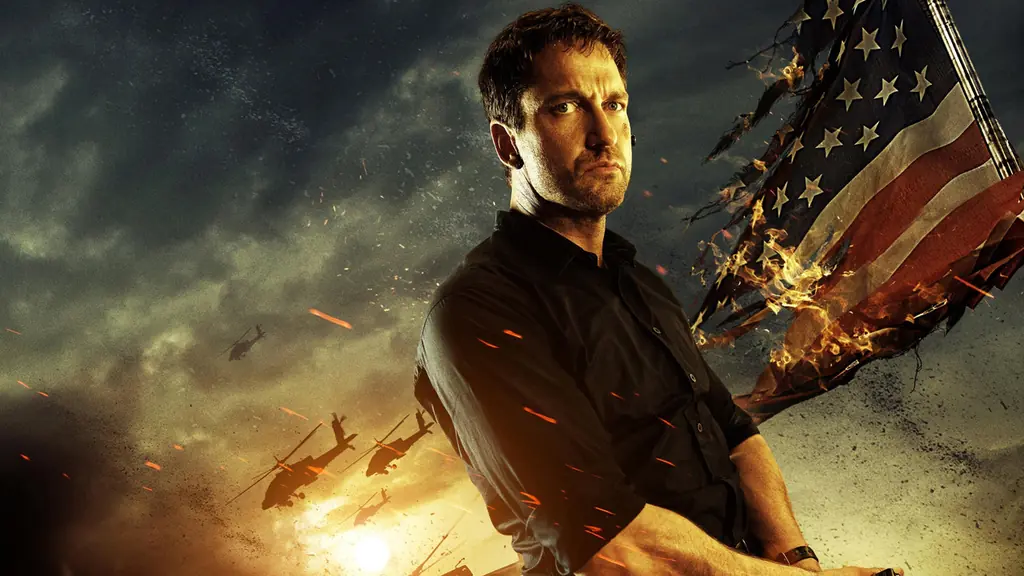
At the heart of this explosive narrative is Gerard Butler as Mike Banning, a disgraced Secret Service agent who finds himself as the last, best hope for America. The film wastes no time establishing Banning as a formidable presence, a one-man army capable of navigating the chaos. Comparisons to iconic action heroes like Jack Bauer and John McClane are inevitable, and Banning earns them with a blend of brutal efficiency and a surprising knack for one-liners. He's a likable badass, a necessary ingredient for any successful action flick, and Butler embodies the role with conviction.
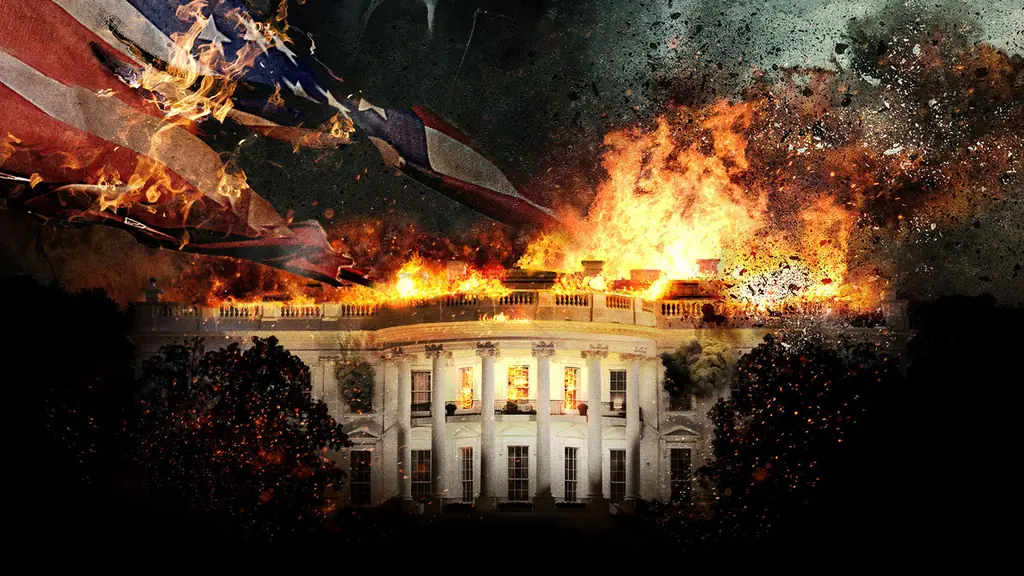
Opposite him, Aaron Eckhart plays President Benjamin Asher, a cool, composed leader who, as one might imagine, finds himself in an impossible situation. The dynamic between the two, though often separated by floors of the besieged White House, provides a crucial emotional anchor amidst the relentless gunfire and explosions. The action sequences themselves are a highlight. From the initial, shocking assault on the White House, which sees the Washington Monument symbolically crumbling, to the close-quarters combat within the presidential residence, the film maintains a high-octane pace. What truly sets it apart is its unwavering commitment to an R-rating. This isn't a watered-down, PG-13 affair; it's a brutal, bloody, and impactful experience that understands the necessity of its mature rating to convey the true horror and intensity of the situation. The execution is so effective that any potential flaws in CGI or green screen work are quickly forgotten, swept away by the sheer force of the narrative.
Cameos, Nostalgia & Narrative Stakes
Olympus Has Fallen feels like the love child of "Die Hard" and "24," taking the siege mentality of the former and the ticking-clock intensity of the latter. While the plot—terrorists taking the president hostage for nuclear launch codes—is undeniably cliché, the film embraces it with a knowing wink. It doesn't try to reinvent the wheel; it simply aims to make that wheel spin as fast and as violently as possible. The film understands its audience: those who appreciate a straightforward, high-stakes action story where the good guy gets to be a genuine hero.
Beyond Butler and Eckhart, the film boasts a strong supporting cast, including Morgan Freeman as the Speaker of the House, adding gravitas to the unfolding crisis. While not heavy on "cameos" in the traditional sense, the ensemble cast grounds the fantastical premise in a believable, if heightened, reality. The narrative stakes are clear from the outset: save the president, save the country. It's a simple, effective hook that keeps the audience invested, even as the body count rises and the destruction mounts.
Tone, Direction & Creative Freedom
Antoine Fuqua's direction is precise and unflinching. He crafts a tone that is relentlessly tense, punctuated by moments of brutal action and a surprising amount of dark humor. The film never shies away from the violence inherent in its premise, a testament to its commitment to the R-rating. This creative freedom allows the filmmakers to deliver a raw, impactful experience that many modern action films, constrained by box office considerations, often avoid. It's a movie that knows exactly what it is and executes that vision with confidence. Much like the mindset behind films like "Dredd," there's a clear understanding between the creators and the audience: "We know what this movie is, you know what this movie is, so let's just make that movie." This self-awareness contributes to its success, allowing it to be a pure, unadulterated action film.
The Final Verdict
Olympus Has Fallen is a thrilling, unapologetic action movie that delivers exactly what it promises. It's a visceral, R-rated ride that doesn't pull its punches, featuring a compelling performance from Gerard Butler as a hero who feels both classic and contemporary. While the plot might lean into familiar territory, its execution is anything but tired. For those craving a return to the glory days of hard-hitting action cinema, this film is a must-see. It's the kind of movie you'll want to revisit, perhaps even adding it to your physical media collection, for those nights when only a full-throttle White House siege will do.
What Worked
- Gerard Butler's compelling performance as a one-man army
- Unflinching commitment to its R-rating for brutal action
- Relentless, high-octane pacing and intense action sequences
- Effective blend of "Die Hard" and "24" influences
- Strong supporting cast, including Morgan Freeman and Aaron Eckhart
What Didn't Work
- Plot is somewhat cliché and predictable
- Relies heavily on familiar action movie tropes
- Some moments of questionable CGI, though often overlooked
- Not for viewers seeking deep narrative complexity