Introduction
Every generation gets its definitive high school movie, a cinematic time capsule capturing the angst, excitement, and awkwardness of youth. From the hazy days of "Dazed and Confused" to the raunchy humor of "American Pie," these films aim to resonate. In 2011, director Joe Nussbaum delivered Prom, Disney's take on the quintessential high school event. While it aims to be that mirror for its target audience, the film ultimately lands as a fleeting, in-the-moment experience rather than a lasting memory.
The Lead Dynamic & The Action
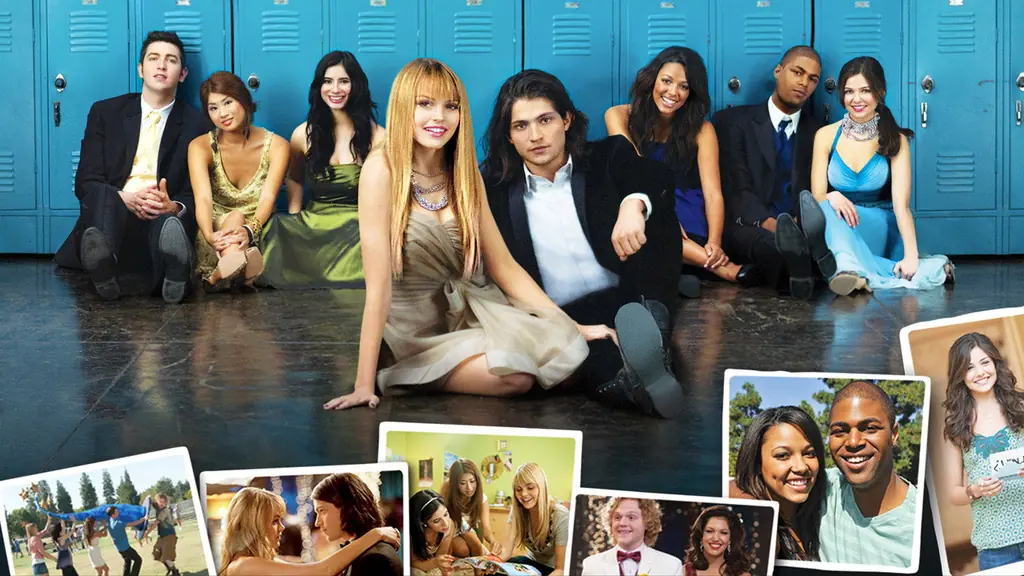
At its core, Prom centers on the classic high school archetypes. There's the "miss perfect" type, embodied by Aimee Teegarden, who finds herself paired with the seemingly "hardcore" but secretly soft-hearted guy, played by Thomas McDonell. This familiar dynamic drives much of the narrative, as they are forced to collaborate on organizing the big dance. The film populates its halls with other recognizable figures: the shy kid, the aspiring rebel, and the popular clique. While the acting isn't always stellar, the characters are designed to be relatable, allowing young viewers to see themselves reflected in the various high school struggles and triumphs. It's less about grand action sequences and more about the small, personal dramas that feel monumental at that age.
Cameos, Nostalgia & Narrative Stakes
Prom is distinctly a Disney Channel movie, meaning its PG rating dictates a certain innocence. This isn't the gritty, often explicit portrayal of high school found in other teen films. Instead, it offers a sanitized, idealized version of the prom experience. The narrative stakes are relatively low, focusing on the anxieties of finding a date, the perfect dress, and the pressure of the big night. For those currently navigating high school, this can be a comforting and aspirational watch. However, for anyone beyond that immediate demographic, the film struggles to maintain engagement. It lacks the broader appeal or lasting impact of its more iconic predecessors, serving primarily as a temporary diversion for its intended audience.
Tone, Direction & Creative Freedom
Joe Nussbaum crafts a tone that is light, optimistic, and entirely inoffensive. The direction prioritizes a feel-good atmosphere, emphasizing the excitement and romance of prom night. The PG rating ensures that the film remains accessible to a younger teen audience, avoiding any complex themes or mature situations. This creative choice, while limiting its depth, allows the film to fully embrace its role as a celebratory, if somewhat superficial, look at a significant high school milestone. It's a film that understands its lane and stays firmly within it, delivering exactly what a Disney-branded prom movie promises.

The Final Verdict
Ultimately, Prom is a film best enjoyed in the moment, much like the event it depicts. It's a sweet, if somewhat generic, snapshot of high school life for a specific demographic. While it might resonate deeply with current high schoolers who see their own experiences mirrored on screen, it's unlikely to leave a lasting impression once the credits roll and graduation looms. For adults looking back, it's a pleasant but ultimately forgettable trip down memory lane, lacking the memorable performances or narrative punch to stand out in the crowded genre of teen cinema. It serves its purpose, but don't expect it to be a film you revisit years later.
What Worked
- Relatable for its target high school audience
- Captures the excitement and anxieties of prom night
- Lighthearted and innocent tone
- Offers a comforting, idealized view of high school
What Didn't Work
- Forgettable for adult viewers
- Generic, archetypal characters
- Acting is not consistently strong
- Lacks broader appeal beyond its niche demographic