Introduction
Pulp Fiction wasn't just a film; it was a seismic event that firmly planted Quentin Tarantino on the map as a director to watch. Heralded by a star-studded cast including John Travolta, Samuel L. Jackson, Uma Thurman, Harvey Keitel, Tim Roth, Ving Rhames, Eric Stoltz, and Bruce Willis, audiences were primed for a typical mob movie. What they received, however, was something far more original, dialogue-driven, and utterly unforgettable.
The Lead Dynamic & The Action
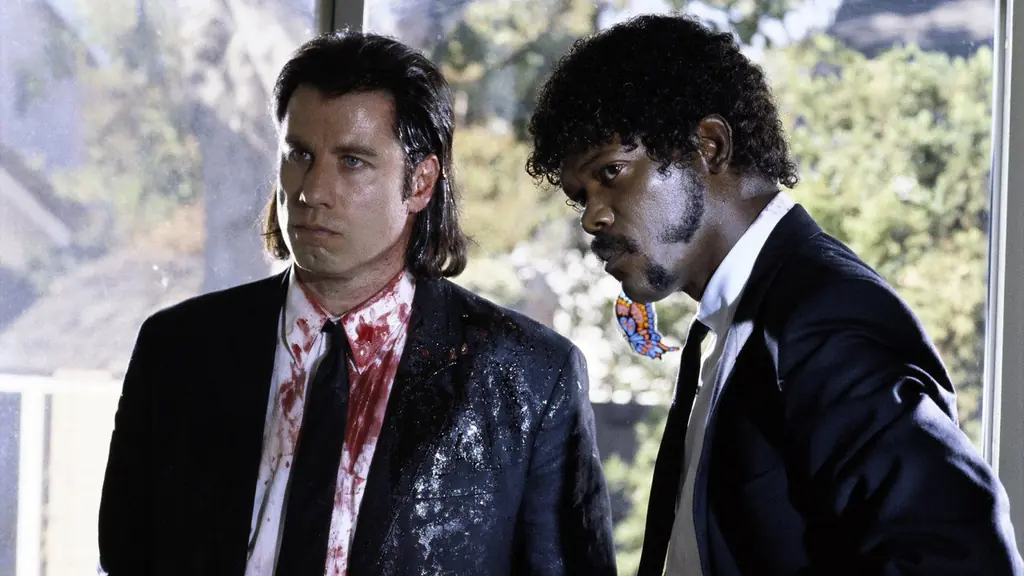
The true engine of Pulp Fiction isn't its gunfights or typical mob antics, but its brilliantly crafted dialogue. The philosophy that words retain their power finds its ultimate cinematic expression here; if you appreciate superbly written conversations, this film delivers in spades. The undeniable chemistry between John Travolta and Samuel L. Jackson carries much of the film's narrative weight, making even mundane exchanges captivating. The characters are absurdly awesome, constantly surprising with new additions like Harvey Keitel as "The Wolf," a figure of incredible smoothness who effortlessly cleans up the messiest situations. Even violence takes on a darkly comedic edge, with moments like Marvin's accidental shooting eliciting genuine, albeit dark, laughter.
Cameos, Nostalgia & Narrative Stakes
Pulp Fiction boldly defies chronological storytelling, presenting its chapters in a mixed-up, stylistic order. This isn't just a gimmick; it's an integral part of the experience. Half the fun comes after the credits roll, as viewers piece together the timeline, a testament to its clever construction. This non-linear approach, combined with its original writing, ensures the film never feels like a conventional mob flick. Instead, it offers a fresh perspective on familiar crime tropes, keeping audiences engaged and guessing.
Tone, Direction & Creative Freedom
Quentin Tarantino's direction masterfully balances sharp dialogue, often laced with racial slurs and expletives, in a way that rarely offends, a true mark of exceptional writing. The film's soundtrack is another standout, perfectly edited to each scene, becoming an integral part of the experience. Songs seamlessly begin and end with scenes, enhancing the narrative without ever feeling intrusive. This unique blend of elements showcases a director given the freedom to execute a singular vision, resulting in a film that spawned countless imitators, none quite matching its original spark or its ability to make a dialogue-based movie so utterly compelling.
The Final Verdict
Pulp Fiction is an "awesometacular" experience that, while not for everyone, will deeply resonate with those who appreciate its unique brand of dialogue-driven storytelling. It's a film that demands to be quoted and rewatched, revealing new layers with each viewing. If you're on the fence, prepare to be surprised by how much you'll dig this movie. It's a cultural touchstone that continues to influence and entertain, proving that a truly original voice can redefine cinema.
What Worked
- Superbly written, iconic dialogue.
- Non-linear, stylistic storytelling that enhances rewatchability.
- Absurdly awesome and memorable characters.
- Perfectly integrated and catchy soundtrack.
- Darkly comedic violence that lands effectively.
What Didn't Work
- One scene with Bruce Willis and his girlfriend slows the pace.
- Not for viewers sensitive to strong language or violence.
- Its unique style is hard to replicate, leading to many failed imitators.