Introduction
Before its release, Real Steel faced a wave of skepticism. Many dismissed it as a mere "Rock 'em Sock 'em Robots" movie, predicting a formulaic flop. Yet, as early whispers turned into enthusiastic endorsements from credible critics, a different narrative began to emerge. This film, directed by Shawn Levy, defied low expectations, delivering a surprisingly engaging and emotionally resonant experience that left audiences genuinely moved.
The Lead Dynamic & The Action
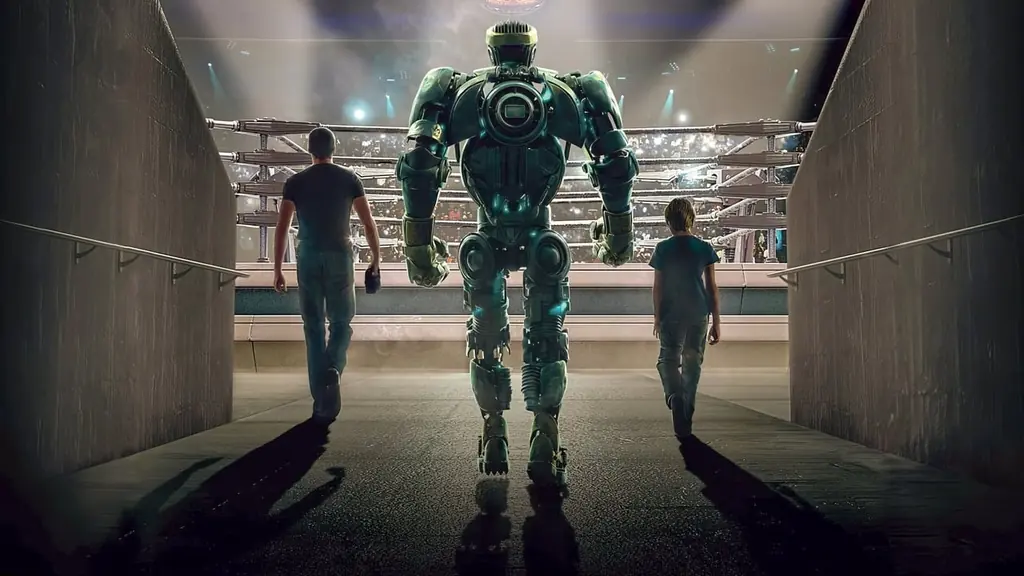
The heart of Real Steel lies in the unexpected bond between its leads. We meet Hugh Jackman as Charlie Kenton, a washed-up boxer turned robot fight promoter—a character initially portrayed as a sleazy, desperate scumbag, even a "deadbeat dad" willing to sign away custody of his son. His son, Max (Dakota Goyo), enters the scene as a precocious, smart-mouthed kid, initially feeling like a trope. However, their forced summer together, driven by Charlie's need for money, blossoms into a compelling father-son dynamic that anchors the entire film.
The action sequences are a definite highlight. Max discovers Atom, a small, unassuming sparring robot—a "Little Mac" of the robot world, built to take hits rather than dish them out. The montages of Charlie training Atom, with the robot mimicking his movements, are genuinely awesome and contribute to the film's energetic pace. The fights themselves escalate into thrilling "David and Goliath" scenarios, culminating in a climactic battle against a formidable opponent described as the "Sandman of robots"—a massive, black, business-meaning machine that delivers a brutal beating. These sequences are exciting, well-choreographed, and keep the audience on the edge of their seats.
Cameos, Nostalgia & Narrative Stakes
While the narrative arc of a deadbeat dad and his estranged son finding common ground through an underdog robot is undeniably predictable, Real Steel embraces this formula rather than shying away from it. The film doesn't try to reinvent the wheel; instead, it focuses on executing a familiar story with genuine emotion and thrilling spectacle. The sci-fi elements are subtly integrated, with only the robot boxing arenas and cell phones feeling overtly futuristic. This avoids the common pitfall of "shoving sci-fi down your throat," allowing the character drama to take center stage.
Kevin Durand also makes an appearance, playing a character that perfectly fits his usual "dick" persona, adding another layer of familiar yet effective villainy to the mix.
Tone, Direction & Creative Freedom
Shawn Levy's direction strikes a fine balance, crafting a tone that is surprisingly emotional for a robot boxing movie. The film manages to evoke genuine sentiment, particularly in the bonding moments between Charlie and Max. The soundtrack, with its distinctive "Firefly tone" and "twang," further enhances the film's unique atmosphere, contributing to its overall charm and appeal. The pacing is well-handled, ensuring that both the character development and the high-octane robot battles receive ample attention.
The Final Verdict
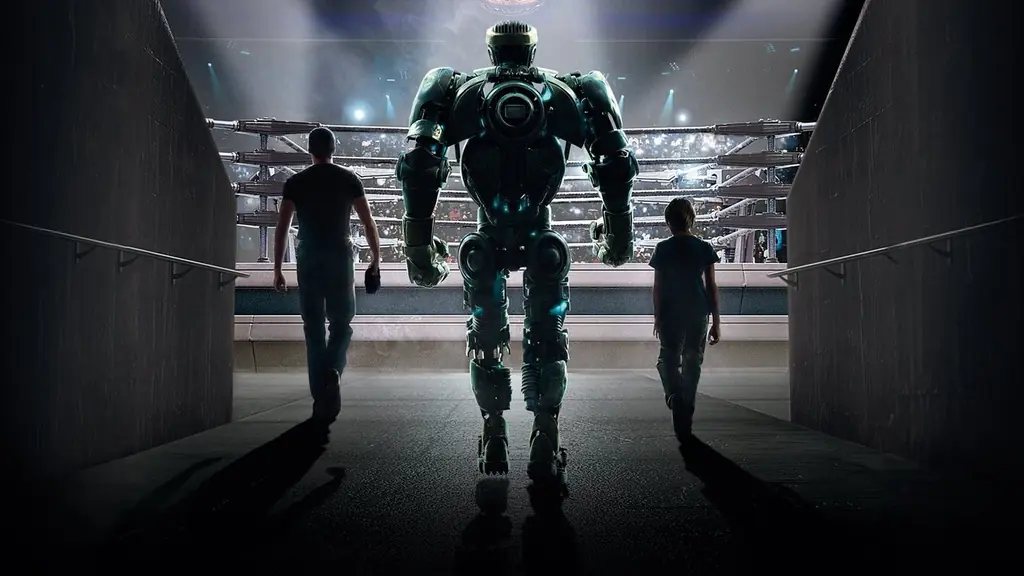
Real Steel is a delightful surprise, a film that takes a seemingly outlandish premise and imbues it with unexpected heart and thrilling action. It's a winning combination of "Rocky meets daddy issues meets robots," delivering a feel-good experience that resonates long after the final bell. This is a movie that earns its rewatchability, a solid recommendation for anyone looking for an entertaining and surprisingly emotional ride.
What Worked
- Surprisingly emotional and heartfelt father-son bonding story.
- Exciting and well-choreographed robot boxing action sequences.
- Subtle integration of sci-fi elements, avoiding overt futurism.
- Engaging performances, particularly from Hugh Jackman and Dakota Goyo.
- A feel-good underdog story that embraces its formula effectively.
What Didn't Work
- The plot is highly predictable from start to finish.
- Some character archetypes feel familiar (e.g., the smart-mouthed kid).
- Relies heavily on established tropes, which might not appeal to all viewers.