A Thrilling Space Western Finale
The very existence of Serenity is a testament to the power of a passionate fanbase. Born from the ashes of a prematurely cancelled television series, this two-hour theatrical conclusion, written and directed by Joss Whedon, defied all odds. Movies simply don't get made out of beloved, yet axed, TV shows—but this one did, proving that sometimes, fighting the power truly pays off. From its opening frames, the film wastes no time re-establishing the crew and their dynamic, setting the stage for an epic, high-stakes adventure that delivers exactly what fans craved. The initial setup, following a brutal assassination, immediately plunges viewers into the dangerous world of the 'Verse, where the stakes for the crew of Serenity have never been higher.
The Lead Dynamic & The Action
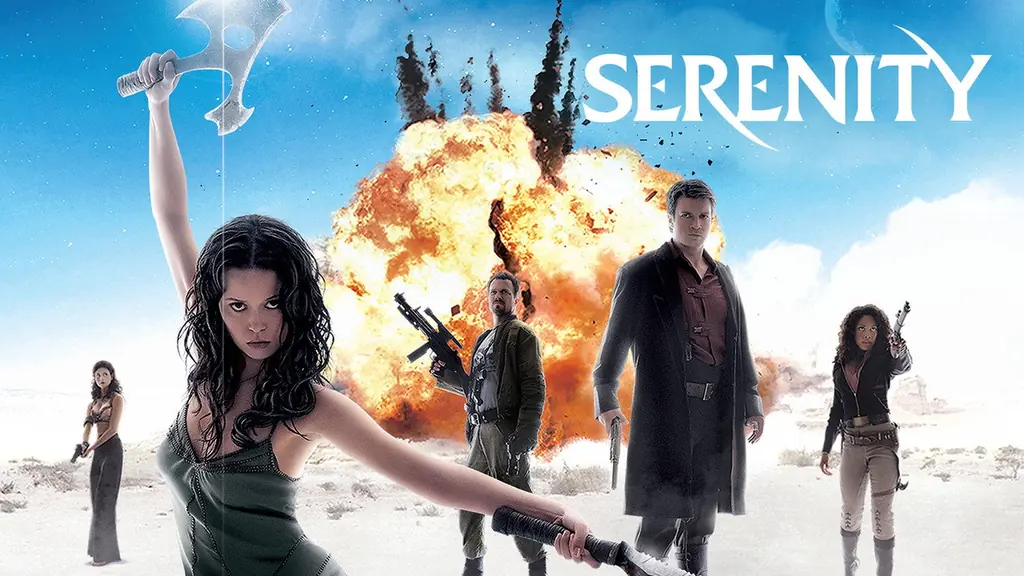
Serenity immediately reminds audiences why Captain Nathan Fillion|Malcolm Reynolds is a certified space badass, a leader who, despite his cynical exterior, possesses a profound "heart of gold." But it's the evolution of the crew, particularly Summer Glau|River Tam, that truly shines. Early in the film, after a tense encounter, River unleashes a brutal, jaw-dropping display of martial arts prowess, effortlessly taking down multiple assailants. This isn't just a fight; it's a revelation, showcasing River as an "85-pound weapon" with unpredictable, yet devastating, skills. Her ability to "tear [__] into these Reavers" later in the film solidifies her as one of the most formidable fighters in cinematic history. The film's opening sequence itself is a masterclass in visual storytelling, appearing as one continuous shot as Mal navigates the ship, reintroducing every character and giving a full tour of the titular vessel. It’s a brilliant, efficient way to bring both new and returning viewers up to speed, perfectly setting the tone for the adventure ahead. Even with his hardened exterior, Mal's underlying loyalty shines through, particularly when he chooses to protect River and Sean Maher|Simon Tam, demonstrating his unwavering commitment to his found family, even when it means putting himself in greater danger. The climactic showdown between Mal and The Operative is less about physical dominance and more about a clash of ideologies, with Mal's belief in truth ultimately triumphing over the Operative's cold, calculated conviction.
Cameos, Nostalgia & Narrative Stakes
The narrative thrust of Serenity centers on River Tam's psychic abilities, which have inadvertently exposed dark secrets of the Alliance. This puts her in the crosshairs of the chillingly polite yet utterly ruthless assassin known only as The Operative, a man who believes deeply in his mission to maintain order, even through murder. His articulate justifications for violence make him a uniquely compelling antagonist. The film cleverly addresses the passage of time since the series, with characters like Morena Baccarin|Inara and Adam Baldwin|Shepherd Book having moved on, though Book makes a poignant return, offering cryptic wisdom about "belief" that later fuels Mal. The crew's desperate search for answers leads them to the desolate planet Miranda, where they uncover the horrifying truth behind the Alliance's creation of the monstrous Reavers. This revelation—that the Alliance itself engineered the very evil they claim to fight by experimenting with a pacifying chemical that had the opposite effect on a small percentage of the population—is a powerful, gut-wrenching twist. Mal's subsequent rallying monologue to his crew, declaring "no more running," is a genuinely stirring moment, solidifying their resolve to expose the truth to the entire 'Verse. The film even features a brilliantly audacious move by Mal, leading a fleet of Reaver ships directly into an Alliance blockade, forcing his enemies to fight each other while he pursues his objective. This moment, where The Operative momentarily loses his composure, is a highlight. However, not all moments land perfectly. The sudden, unceremonious death of Alan Tudyk|Wash is a jarring, almost "dumb" moment that feels designed purely for shock value, leaving audiences reeling and coining a new term for unexpected cinematic deaths. While Shepherd Book's earlier demise is more narratively justified as a consequence of the Alliance's relentless pursuit, Wash's exit remains a contentious point for many, feeling like an unnecessary sacrifice.
Tone, Direction & Creative Freedom
Joss Whedon faced an immense challenge: condensing a sprawling, beloved universe into a tight two-hour film. Despite the inherent limitations, he largely succeeds, focusing on the core elements that made Firefly so special. The film maintains the series' signature blend of gritty space western action, sharp humor, and profound character moments, all while escalating the stakes to a cinematic scale. Whedon's direction is confident, delivering on the promise of a big-screen spectacle while retaining the intimate feel of the show. It's clear he was given the creative freedom to go "wild," crafting a conclusion that, while not "Plan A" for the series, serves as a remarkably satisfying capstone. His ability to balance character development with explosive action and a compelling, dark conspiracy is a testament to his storytelling prowess, showcasing the talent that would later lead him to helm much larger cinematic universes. The pacing is relentless, pushing the crew from one perilous situation to the next, yet always allowing moments for character beats to land.
The Final Verdict
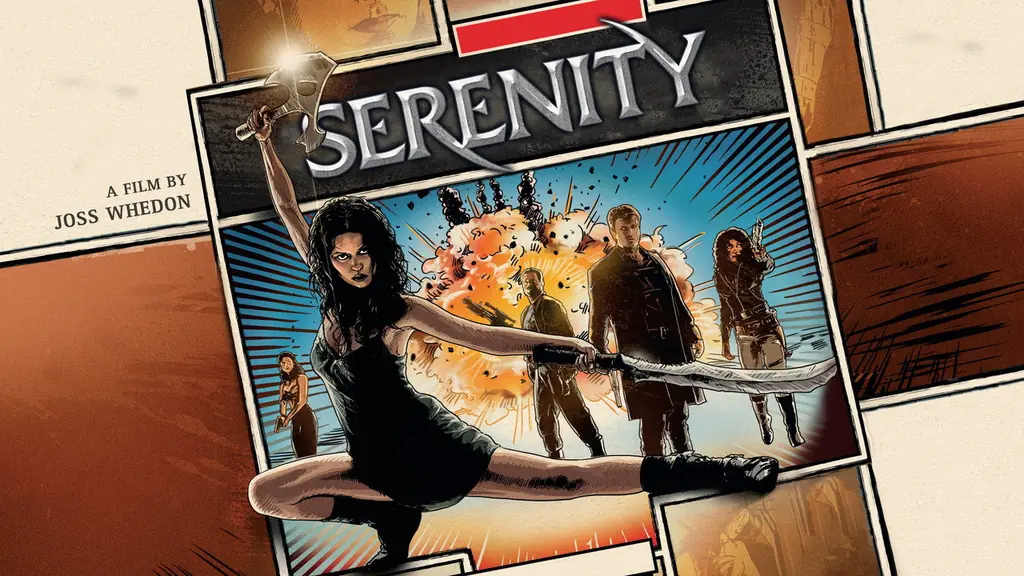
Serenity is an awesome, entertaining ride that provides a much-needed sense of closure for fans of the Firefly series. It’s a film that can be easily enjoyed, offering an hour and forty-five minutes of pure entertainment. While it had to wrap up a complex saga in a limited timeframe, it delivers on its promise, offering thrilling action, memorable character moments, and a powerful resolution to the Alliance's dark secrets. For those who invested in the crew of Serenity, this film is a satisfying, action-packed farewell that proves some stories are simply too good to be forgotten. It's a testament to the enduring appeal of its characters and the universe Joss Whedon created.
What Worked
- Satisfying conclusion to the Firefly saga.
- Exceptional action sequences, especially River Tam's fights.
- Compelling villain in The Operative.
- Clever and audacious plot points (e.g., Mal using Reavers).
- Strong character development for Mal and River.
What Didn't Work
- Wash's abrupt and "dumb" death.
- Story feels condensed due to limited runtime.
- Some character absences from the show are noticeable.
- Shepherd Book's death, while understandable, is a loss.