
Introduction
From the acclaimed director Steven Soderbergh comes Side Effects, a psychological thriller that promises to delve into the murky waters of mental health, pharmaceuticals, and the unforeseen consequences of modern medicine. The premise is immediately intriguing: a psychiatrist, a depressed patient, a cocktail of pills, and a lawsuit waiting to explode. It sets the stage for a film that aims to be both a compelling drama and a relevant commentary on our pill-popping society.
The Lead Dynamic & The Action
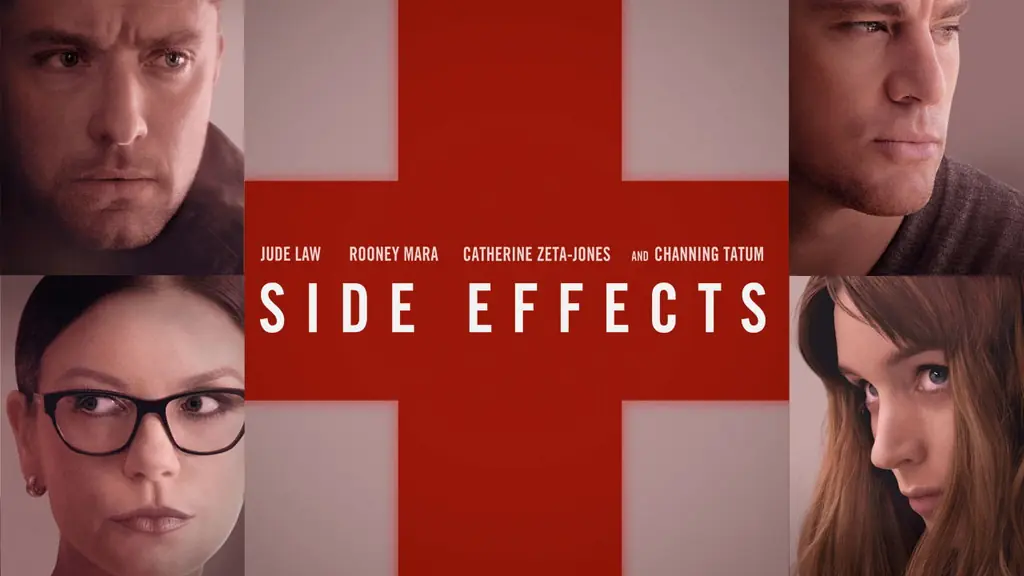
The film hinges on the performances of its central players, and thankfully, Rooney Mara and Jude Law deliver. Both actors are exceptionally good, navigating complex emotional landscapes with skill and nuance. Their dynamic is the engine of the early narrative, even when the plot itself feels sluggish. However, the inclusion of Channing Tatum feels somewhat perfunctory. While not bad in his role, his presence is almost a cameo, and his character could have been portrayed by nearly anyone, suggesting a casting choice perhaps influenced by previous collaborations rather than strict narrative necessity.
Cameos, Nostalgia & Narrative Stakes
The initial stretch of Side Effects can be a test of patience. For a significant portion of its runtime, the film drags, leaving audiences wondering about its true purpose. It's a slow burn that, for some, might feel like a bore. Yet, a pivotal shift occurs roughly halfway through. What begins as a seemingly straightforward drama about depression and medical malpractice suddenly morphs into a captivating mystery. The narrative stakes escalate dramatically, transforming the viewing experience into a thrilling "who's bullshitting who" scenario that keeps brains on the edge of their seats, processing every piece of information. Adding a touch of unexpected glamour, Catherine Zeta-Jones makes an appearance, looking remarkably youthful, a detail that certainly catches the eye.
Tone, Direction & Creative Freedom
Side Effects firmly establishes itself as a slow-mystery type movie, a genre that demands a particular kind of viewer. Its strength lies in its ability to provoke thought, drawing parallels to the real-world phenomenon of pharmaceutical advertisements listing side effects that often sound worse than the initial ailment. The film boasts genuinely good acting and an interesting, highly relevant premise. While the initial viewing might leave some feeling lost or bored, the film's true genius reveals itself upon reflection. It's a movie that improves the more you think about it, a testament to its clever construction as a "good thinker."
The Final Verdict
For those with a penchant for cerebral, slow-burn thrillers, Side Effects offers a very good time, no artificial stimulants required. It's a film that, despite its initial pacing issues, ultimately delivers a satisfying and thought-provoking experience. While some narrative flaws might become apparent upon deeper reflection, they don't detract significantly from the overall enjoyment. It's a movie that challenges its audience to piece together its intricate puzzle, making it a rewarding watch for fans of the genre.
What Worked
- Compelling and relevant premise exploring modern medicine.
- Strong, nuanced performances from the lead cast.
- Transforms into a gripping, unpredictable mystery in its second half.
- A thought-provoking film that rewards reflection and discussion.
What Didn't Work
- A significantly slow and unengaging first half.
- Some plot holes and inconsistencies emerge upon closer inspection.
- Certain supporting roles feel underdeveloped or extraneous.