Introduction
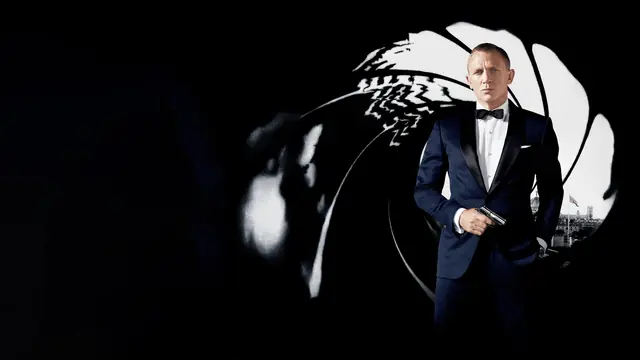
The anticipation for Skyfall was palpable, marking the third outing for Daniel Craig as James Bond. After the divisive Quantum of Solace, audiences were eager for a return to form, and what they received was a Bond film unlike any before it. From the opening frames, it’s clear this isn't just another mission; it’s a deeply personal journey for 007. The film immediately plunges into a "sweet action scene" that grabs attention, before transitioning into an intro sequence lauded for its "awesome" song and "badass" visuals. This sets a tone that is both familiar and refreshingly bold, signaling a new era for the iconic spy. This is the Bond movie many felt the franchise "deserved and needed," expertly bridging the gap between the gritty reboot of Casino Royale and the classic "Bond-isms" that long-time fans cherish. It’s a film designed to appeal to everyone, from those who embraced the darker, more realistic take to the purists yearning for a touch of the old school, proving that Bond can evolve without abandoning its roots.
The Lead Dynamic & The Action
At its core, Skyfall thrives on its character interactions and the compelling dynamic between its leads. Daniel Craig delivers a Bond who is visibly aging, "rusty," and has "fallen from grace," yet still embodies the smooth, ladies' man persona with a tough-guy edge. He "earns it," projecting an effortless charm that feels authentic rather than scripted, making his struggles and triumphs all the more resonant. The dialogue is consistently "fantastic," particularly the sharp banter between Bond and Judi Dench's M, which reveals a complex, almost "mother-son type of relationship." Their exchanges are not just witty but also crucial to the plot, making M a truly "relevant piece" rather than mere character filler.
The introduction of Ben Whishaw as the new, young Q also sparks memorable exchanges, evolving from initial skepticism to mutual respect. Bond's initial dismissiveness gives way to an understanding that Q, despite his youth, is a formidable intellectual force. Even the female spy, Naomie Harris's Eve Moneypenny, is far from a mere accessory; she's "sexy and efficient," engaging Bond in "completely interesting" dialogue and palpable sexual tension. The film understands that "the hunt is sweeter than the kill," making their verbal sparring and unspoken chemistry far more engaging than a simple conquest. This focus on character depth and meaningful relationships elevates the entire narrative.
However, the true standout is Javier Bardem as the villain, Silva. He is "completely villainously evil and awesome," driven by a deep-seated "vendetta" against M. His introduction, a single, unbroken shot of him monologuing directly to the camera, is a masterclass in menace, instantly establishing him as a character who is "out of his mind" and utterly captivating. The action sequences, while not always the central focus, are impactful and well-integrated into the narrative, providing thrilling punctuation to the character-driven drama. From the initial chase to the climactic showdown, each set piece feels earned and visually striking.
Cameos, Nostalgia & Narrative Stakes
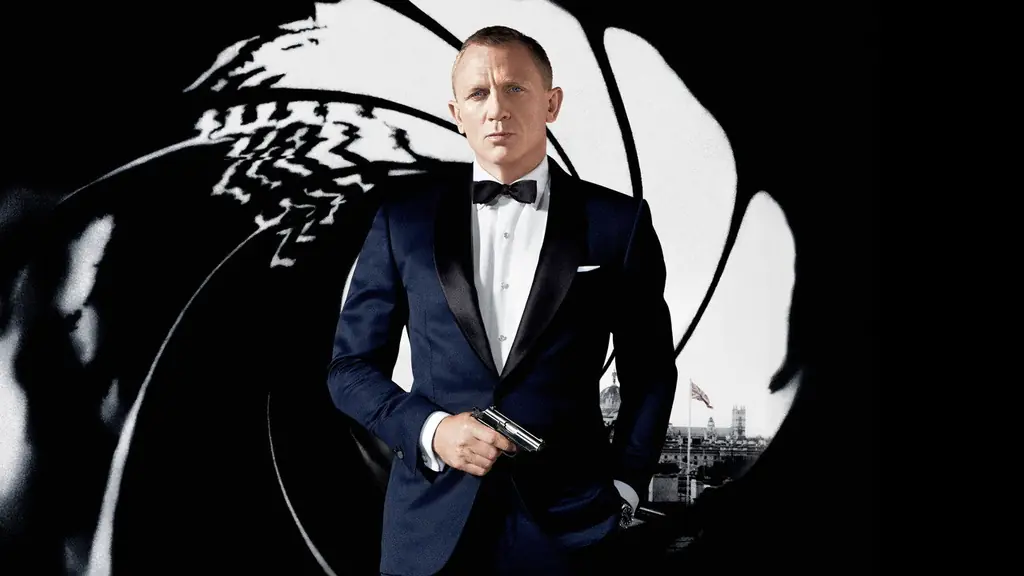
Skyfall masterfully navigates the delicate balance between honoring its legacy and forging a new path. It’s a film that includes "enough old school fun, throwbacks, and references" to satisfy long-time fans, making them feel "included," while simultaneously deepening the modern Bond mythology. This careful integration ensures that the film feels both fresh and reverent. The narrative stakes are surprisingly high and personal, moving beyond typical global threats to focus on MI6 itself, and specifically on M's past. This personal vendetta elevates the emotional core of the story, making Bond's mission feel more urgent and intimate.
The film has been aptly compared to The Dark Knight of the Bond franchise, described as "thicker than you think it'll be" and possessing "layers to it that you didn't expect." This depth means it's not a movie for "casual watching"; it's an "involved movie" that demands attention to its "really thick with character, really thick with plot" structure. This isn't a criticism but rather a testament to its ambition and complexity, offering a "deeper premise" than many might anticipate from a Bond outing. It rewards close viewing with a rich tapestry of themes, from aging and relevance to loyalty and betrayal.
Tone, Direction & Creative Freedom
Under the astute direction of Sam Mendes, Skyfall is a visual triumph. The film is "shot very, very well," with every frame demonstrating that the director "put all the thought in the world to every shot." This meticulous attention to detail elevates the entire experience, transforming it into a cinematic event where every composition tells a story. The use of light, shadow, and striking locations creates an atmosphere that is both grand and intimately personal. The tone is consistently dark and realistic, yet it never loses sight of the inherent entertainment value and escapism of the Bond universe. The creative freedom afforded to the filmmakers is evident in the film's bold choices, from its nuanced character development to its stunning set pieces and the emotionally resonant climax, all contributing to a cohesive and impactful vision that feels both classic and contemporary.
The Final Verdict
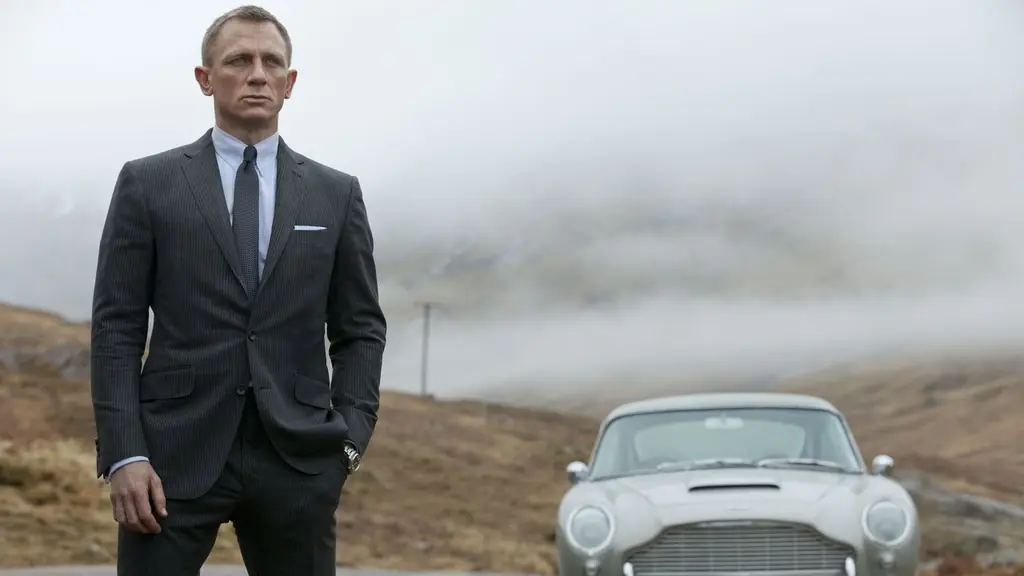
Skyfall stands as a towering achievement in the James Bond canon. It delivers on all fronts: "great dialogue, great characters, a great Bond, a great Bond villain, a deeper premise," and "great action sequences." While its intricate nature means it's not a film to be idly consumed, its rewards for attentive viewers are immense. The only minor quibble, a coincidental similarity in its ending to Hard Target, is easily overlooked in the face of its overwhelming strengths. This is a film that not only meets expectations but significantly raises the bar for the franchise, proving that Bond can be both deeply personal and spectacularly entertaining, solidifying its place as a modern classic.
What Worked
- [[person:8784|Daniel Craig]]'s nuanced, aging portrayal of Bond.
- Exceptional dialogue and character dynamics, especially with M and Q.
- [[person:3810|Javier Bardem]]'s chilling and memorable villain, Silva.
- Stunning cinematography and well-executed action sequences.
- Successfully blends classic Bond elements with a darker, modern tone.
What Didn't Work
- Not ideal for casual viewing due to its dense plot and runtime.
- The ending's similarity to *Hard Target* might be noticeable to some.
- The intricate plot requires full attention.