A Chilling Return to Form
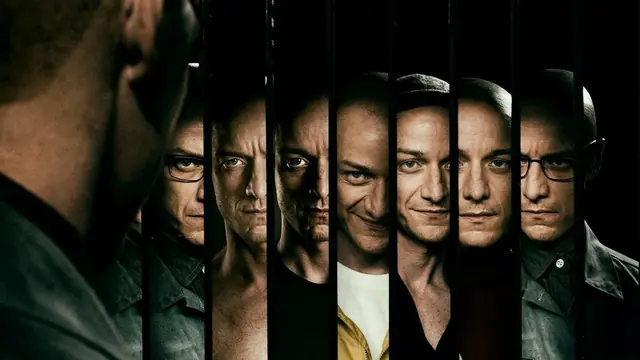
For years, audiences have held their breath, hoping for the M. Night Shyamalan of old to re-emerge. After a string of divisive films, the anticipation for Split was palpable. Could this be the moment the director, once hailed as the next Spielberg, truly reclaimed his unique voice? The answer, for many, is a resounding yes. Split plunges viewers into a disturbing narrative, where three kidnapped girls must contend with a captor harboring 23 distinct personalities. It's an intense, unsettling ride that signals a confident return to the filmmaker's signature style.
A Masterclass in Performance and Psychological Tension
From the opening frame, it's clear that Split is a showcase for its lead. James McAvoy delivers a truly phenomenal, transformative performance, effortlessly shifting between the myriad personalities inhabiting his character. There are moments where he engages in conversations with himself, all within a single shot, reminiscent of Willem Dafoe's iconic mirror scene in the original "Spider-Man." McAvoy doesn't just play multiple roles; he embodies separate individuals, making it genuinely believable that these distinct entities reside within one person. His commitment is so profound that he single-handedly elevates the film, picking it up whenever the narrative threatens to falter. Alongside him, Anya Taylor-Joy is equally phenomenal as the main protagonist, her career trajectory continuing its impressive climb. While the film's main actors shine brightly, some of the supporting cast members don't quite reach the same heights, a common trait in Shyamalan's work, though thankfully not to the extent of "The Happening."

Old School Thrills and Narrative Stumbles
Split marks M. Night Shyamalan's definitive return to his "old school" form. This isn't the big-budget spectacle of some of his later works; it's a focused, creepy, and intense thriller that harks back to his earlier successes. The director clearly listened to the calls for him to revisit the psychological suspense that made him a household name. However, not everything lands perfectly. The film incorporates flashbacks to the main girl's past, and while their thematic purpose is understood, their integration feels inorganic. They often stick out like a sore thumb, as if they were filmed separately and then awkwardly inserted into the main narrative, disrupting the flow rather than enhancing it.
Direction, Tone, and Creative Freedom
M. Night Shyamalan's direction here is confident and assured. He embraces a slow-burn approach, a hallmark of his earlier, acclaimed thrillers. This deliberate pacing builds tension effectively, allowing the unsettling atmosphere to permeate every scene. It's clear that the filmmaker was given the creative freedom to craft the story he wanted, resulting in a movie that feels authentic to his vision. The intensity is constant, and the creep factor is dialed up, making for a genuinely unsettling experience. This is a director who understands what his audience wants from his particular brand of suspense, and he delivers it with conviction.
The Final Verdict
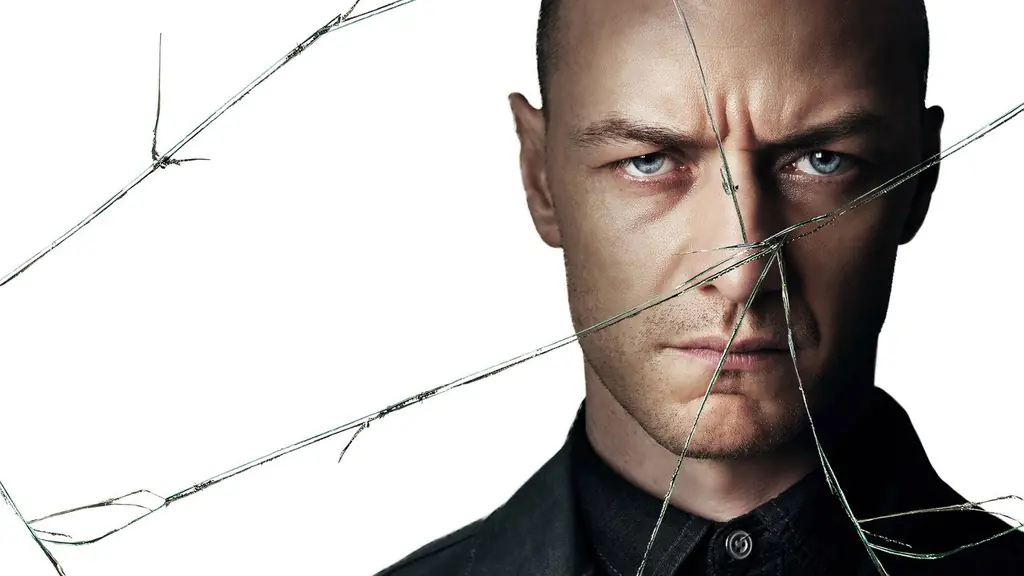
Ultimately, Split is an interesting and undeniably enjoyable film. It's not for everyone, especially those who prefer a faster pace, but for fans of M. Night Shyamalan's classic, slow-burn thrillers, this is a welcome return. James McAvoy's performance alone is worth the price of admission, anchoring a creepy and intense narrative. Despite some minor pacing issues and the occasionally clunky flashbacks, audiences will likely walk out thoroughly entertained. This is a good time at the movies, no alcohol required.
What Worked
- [[person:5530|James McAvoy]] delivers a phenomenal, transformative performance.
- [[person:1397778|Anya Taylor-Joy]] provides a strong and compelling lead.
- [[person:11614|M. Night Shyamalan]] returns to his signature intense thriller style.
- The film creates a consistently creepy and unsettling atmosphere.
- A refreshing, character-driven departure from big-budget fare.
What Didn't Work
- Flashbacks to the protagonist's past feel inorganic and disrupt the narrative flow.
- Some supporting actor performances are noticeably weaker than the leads.
- The slow-burn pacing may not appeal to all viewers.
- The film's intense themes make it not suitable for every audience.