Introduction
Before the hype of its sequel, Star Trek (2009) arrived with the monumental task of rebooting a beloved, decades-old franchise. For many, the anticipation was palpable, especially for those who grew up with the original series. The film wasn't just for Trekkies; director J.J. Abrams explicitly stated his aim was to craft a well-constructed movie for "fans who love movies," a promise that resonated deeply with audiences seeking more than just fan service. This approach allowed for a fresh take, acknowledging the rich history while forging an entirely new path.
The Lead Dynamic & The Action
The film wastes no time in establishing its high-octane pace. The opening sequence aboard the USS Kelvin is a masterclass in immediate excitement, throwing viewers into a chaotic space battle where Kirk's father, George Kirk (played by Chris Hemsworth), makes a heartbreaking sacrifice. This sets a powerful emotional foundation before the story even properly begins. The action continues with a visceral bar fight where a young Kirk, played by Chris Pine, delivers one of the most satisfying bottle-smash hits ever seen on screen. The impact is so real, it practically reverberates through the theater.
At its core, the film thrives on the electric, contrasting relationship between Kirk and Spock. While Spock, portrayed by Zachary Quinto, was always an iconic figure, this movie truly brings his internal conflict to the forefront, showcasing the war between his emotional human side and his logical Vulcan heritage. This dynamic culminates in a memorable confrontation where Spock, pushed to his limit, physically overwhelms Kirk, demonstrating a raw power that adds layers to their eventual deep friendship. The camera work, with its constant panning and dynamic movement, makes the Enterprise feel alive, immersing the audience directly into the heart of the action and the ship's bustling environment. Even the warp drive sequences are given a fresh, exhilarating visual punch, making the journey feel incredibly fast and impactful.
Cameos, Nostalgia & Narrative Stakes
Star Trek expertly weaves in fan service without letting it overshadow the narrative. The inclusion of the Kobayashi Maru test, a legendary unwinnable simulation from Starfleet lore, is a brilliant nod that highlights Kirk's rebellious ingenuity. The film also boldly establishes a new timeline, a clever narrative device that honors the original series while freeing the story from its constraints. This creative freedom leads to genuinely shocking moments, such as the destruction of Vulcan, a decision that firmly establishes the high stakes and irreversible consequences within this new universe. The appearance of Leonard Nimoy as Old Spock further legitimizes this new timeline, providing a crucial link to the franchise's past.
However, some casting choices for minor roles, such as Winona Ryder as Spock's mother and Tyler Perry as the head of the Federation, raise eyebrows, though they don't significantly detract from the overall experience. The film's primary antagonist, Nero, played by Eric Bana, is acknowledged as a somewhat weak villain. While he serves his purpose in setting the plot in motion, his motivations and character depth are minimal, leaving him feeling more like a plot device than a compelling threat.
Tone, Direction & Creative Freedom
J.J. Abrams's direction is a defining element of this reboot. The film's dynamic camera work, characterized by constant motion rather than still shots, creates an immersive and "alive" feeling, making the audience feel truly present on the Enterprise. While some might find the frequent lens flares distracting, they contribute to the film's distinct visual flavor and energetic aesthetic. Abrams's commitment to making a movie for "movie lovers" first and foremost shines through, resulting in a film that is both accessible to newcomers and deeply satisfying for long-time fans. The pacing is relentless, propelling the story forward with a sense of urgency and adventure that rarely lets up.
The Final Verdict
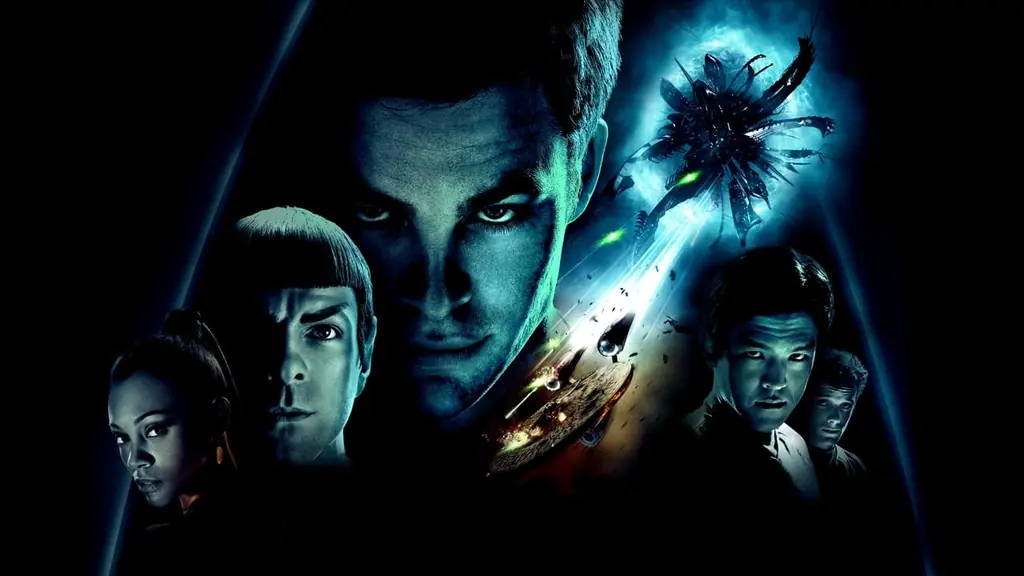
Star Trek is a triumph, a fantastic and "awesome-tacular" reboot that successfully re-energizes a beloved franchise. It delivers a thrilling origin story, making Kirk a genuine badass and transforming Spock into a complex, compelling character. The film's ability to balance explosive action with profound character development and a respectful nod to its legacy makes it an unforgettable cinematic experience. It's a movie that can be enjoyed repeatedly, offering both casual entertainment and a rewarding investment for dedicated fans. This is a film that truly nailed its characters and delivered on its promise of a grand adventure.
What Worked
- Electric chemistry between Kirk and Spock
- High-octane, thrilling action sequences
- Dynamic and immersive camera work
- Clever use of a new timeline to honor and refresh the franchise
- Successfully re-establishes iconic characters as badasses
What Didn't Work
- Nero is a weak and underdeveloped villain
- Some minor casting choices feel questionable
- Questionable physics in certain action sequences (e.g., skydiving from space)
- Lens flares can be distracting for some viewers