Introduction
The cinematic landscape of 2013 buzzed with anticipation for Star Trek Into Darkness, the highly awaited sequel to J.J. Abrams' electrifying 2009 reboot. Trailers promised a darker, more intense journey, featuring a formidable new adversary in Benedict Cumberbatch. For many, including this reviewer, the excitement was immense, fueled by a deep appreciation for the previous film and the Star Trek universe at large. The stage was set for a grand space opera, with audiences eager to witness Captain Chris Pine's Kirk and his intrepid crew navigate uncharted dangers and confront a villain who threatened the very fabric of the Federation. The question wasn't if it would be good, but how deeply it would resonate with the legacy it inherited.
The Lead Dynamic & The Action
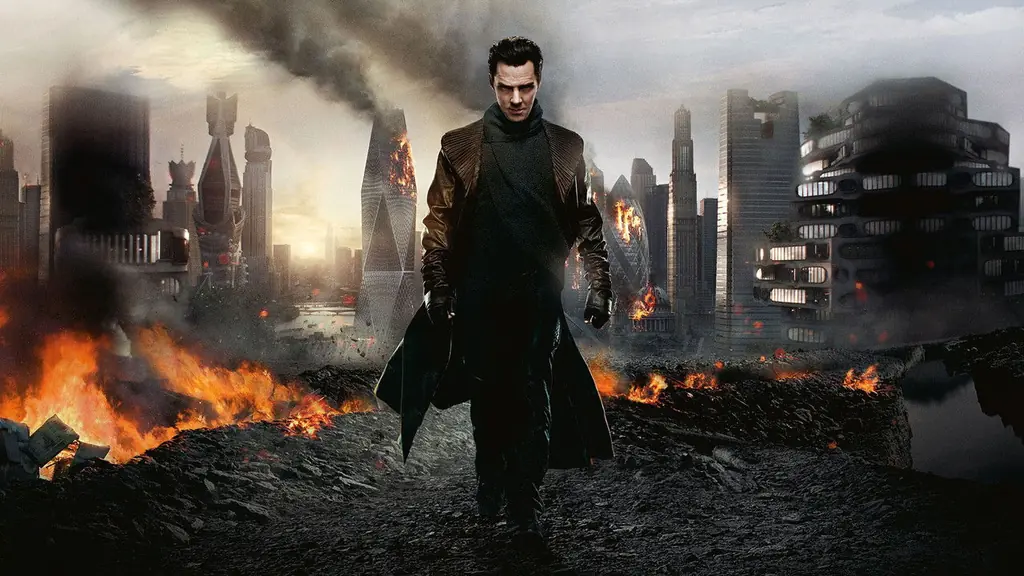
From its explosive opening sequence, where Benedict Cumberbatch's character unleashes a devastating attack in London, Star Trek Into Darkness immediately signals a shift in stakes. The film quickly establishes that the Enterprise crew, led by Captain Chris Pine's Jim Kirk and his first officer, Zachary Quinto's Spock, are not just facing an external threat, but also navigating the evolving complexities of their own bond. A key concern for many fans was the potential for a rehashed Kirk and Spock dynamic, but the film deftly avoids this pitfall. Instead, their interactions feel like a "natural progression," with Spock's unwavering logic ("I don't lie, though") clashing against Kirk's rule-breaking tendencies, creating a compelling and believable tension that strengthens their partnership rather than undermining it.
Beyond the character work, the action sequences are both cool and exciting, pushing the boundaries of space adventure. What truly elevates this sequel, however, is its unexpected narrative depth. While the trailers might have suggested a straightforward good-versus-evil confrontation, the film unfolds with intricate "layers," presenting a world far more nuanced than simple black and white. This complexity, drawing comparisons to the sophisticated storytelling of "The Dark Knight," allows for "shades of gray" that make the stakes feel incredibly "real." At the heart of this intricate plot is Benedict Cumberbatch, whose portrayal of the antagonist is nothing short of mesmerizing. He is "kick-ass," "smart," and "efficient," commanding every scene he's in to such an extent that he "steals all of his scenes." His performance is a magnetic force, making it difficult to focus on anyone else when he's on screen.

Cameos, Nostalgia & Narrative Stakes
One of the notable shifts in Star Trek Into Darkness compared to its predecessor is a more pronounced embrace of fan service. While J.J. Abrams' 2009 film aimed for broad appeal, this sequel demonstrates a clear effort to acknowledge and reward the dedicated fanbase. It's as if the director "listened to the fans," striking a delicate balance between his own creative vision and delivering moments that resonate deeply with long-time Trekkies. This approach ensures that the film feels both fresh and reverent to the franchise's rich history, offering a satisfying experience for both newcomers and seasoned enthusiasts.
However, not every element lands with the same precision. The inclusion of the "hot chick" character, while visually appealing, is noted as being largely superficial. Her role "doesn't require much of anything," serving primarily as eye candy rather than contributing significantly to the plot or character development. This minor misstep highlights a missed opportunity for a more substantial female presence. Despite this, the film maintains high narrative stakes, propelling the story forward with a sense of urgency and consequence. The plot is "exciting" and "cool," ensuring that audiences remain invested in the fate of the Enterprise and its crew as they face down a truly formidable threat.
Tone, Direction & Creative Freedom
Under the masterful direction of J.J. Abrams, Star Trek Into Darkness strikes a compelling tone that is both exhilarating and deeply emotional. The film's pacing is relentless, yet it skillfully carves out moments for profound character development and genuine emotional impact. There's a particular scene that resonated so strongly, it brought the reviewer to tears—a testament to the film's ability to connect on a visceral level amidst the spectacle. This blend of high-octane action with heartfelt human drama speaks volumes about the creative freedom afforded to the filmmakers, allowing them to craft a story that is both thrilling and intellectually stimulating. The direction ensures that even with its complex, layered plot, the film remains accessible and thoroughly engaging, proving that a blockbuster can indeed be both "kick-ass" and emotionally resonant. It's a testament to J.J. Abrams' vision that he can deliver such an "awesometacular" experience, making it one of the standout films of its year.
The Final Verdict
Star Trek Into Darkness emerges as a triumph, a "completely kick-ass" cinematic journey that delivers on every front. It masterfully combines thrilling action, compelling character arcs, and a villainous performance that is nothing short of iconic. While some might naturally compare it to its acclaimed predecessor, much like the enduring debate between "Batman Begins" and "The Dark Knight," this film confidently stands on its own as a formidable and essential entry in the Star Trek saga. It's a movie that prompts genuine emotional responses, with moments so powerful they can elicit tears, solidifying its status as an "awesometacular" achievement. For dedicated fans of the 2009 film, long-time Trekkies, or simply anyone seeking an exciting, cool, and deeply engaging sci-fi adventure, Star Trek Into Darkness is an absolute must-watch that will leave a lasting impression.
What Worked
- Benedict Cumberbatch's electrifying villain performance.
- Evolved, compelling dynamic between Kirk and Spock.
- Intriguing, layered plot with unexpected depth.
- Successful blend of fan service and fresh storytelling.
- Thrilling action sequences and emotional character moments.
What Didn't Work
- The "hot chick" role felt gratuitous and underdeveloped.
- Trailers potentially oversimplified the film's complex narrative.
- The opening sequence initially felt a bit uncertain.