Introduction
From the moment it first blasted onto screens in 1977, Star Wars wasn't just a movie; it was a cultural phenomenon. This isn't about "A New Hope" or any later retitling; this is the original, unadulterated cinematic event that captivated audiences and launched a galaxy-spanning saga. It's an iconic classic in the sci-fi genre and film in general, and for good reason. While countless alterations have been made over the years, the true magic lies in the initial vision, a testament to storytelling over endless digital tinkering.
The Lead Dynamic & The Action
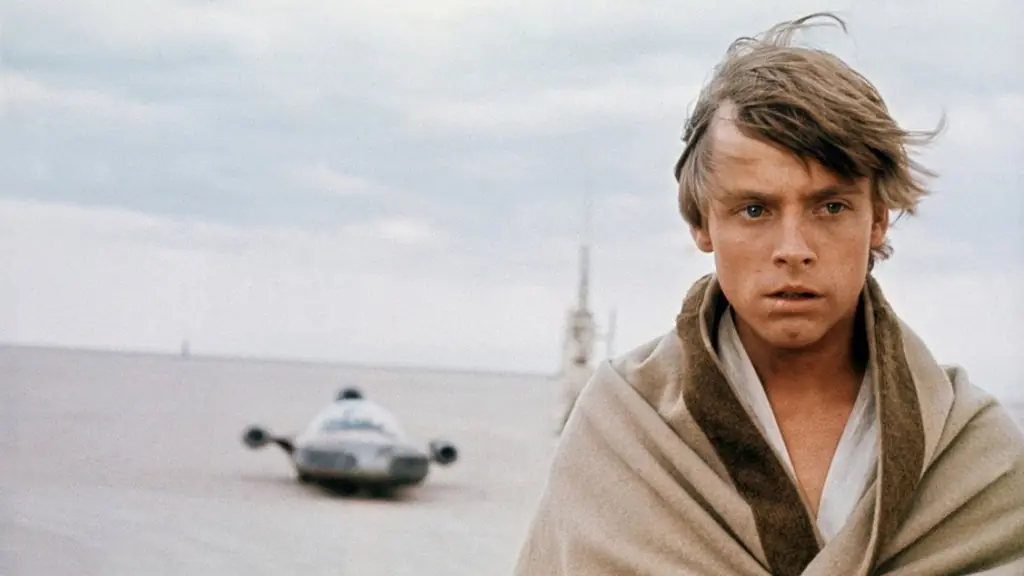
The heart of Star Wars beats strongest through its unforgettable characters. While Mark Hamill's Luke Skywalker provides the earnest hero, it's Harrison Ford's Han Solo who steals the show. A smuggler through and through, Han is the quintessential "man's man," a mercenary initially in it purely for the money. His cynical charm and willingness to talk back to even Carrie Fisher's Princess Leia make for absurdly entertaining exchanges. He's a "douchebag" who grows, proving that redemption is always possible. The film masterfully builds to its climax, a straightforward yet exhilarating assault on the Death Star. Unlike later, overcomplicated sequences, this trench run is pure, unadulterated fun, culminating in Han Solo's triumphant return to save the day, solidifying his status as a true fan favorite.
Cameos, Nostalgia & Narrative Stakes
Star Wars introduces one of cinema's most menacing villains: Darth Vader. His initial appearance, emerging from the fog, instantly establishes him as the galaxy's most evil presence. Yet, the film smartly reveals that even Vader has superiors, notably Peter Cushing's Grand Moff Tarkin, who commands Vader with chilling authority. The confrontation between Alec Guinness's wise Obi-Wan Kenobi and Vader is monumental, a duel steeped in history and sacrifice. Obi-Wan's decision to "give it up" and become "more powerful than you can possibly imagine" is a pivotal, character-driven moment. However, the film's legacy has been marred by later "improvements" that actively undermine its narrative and character integrity. The infamous "Greedo shoots first" alteration fundamentally changes Han Solo's character, stripping him of his edge and the very redemption arc that makes him compelling. Similarly, the added scene with Jabba the Hutt, while visually impressive, diminishes the mystique of the crime lord, who was far more terrifying when left to the audience's imagination.
Tone, Direction & Creative Freedom
George Lucas's original direction for Star Wars was a masterclass in balancing grand spectacle with intimate character moments. The film's tone is adventurous and hopeful, even amidst the grim realities of an oppressive Empire. Crucially, the original cut prioritized story over gratuitous special effects. As Lucas himself once believed, special effects are a means to tell a story, not the story itself. This philosophy is evident in every frame of the 1977 version, where practical effects and compelling characters drive the narrative. The later Special Edition changes, however, betray this original ethos, adding unnecessary CGI that often detracts from the film's raw charm and narrative flow. The original cut, despite any perceived technical imperfections, possessed a quality of content that later versions sacrificed for superficial polish.
The Final Verdict
Star Wars is an "awesome tacular" achievement, a film that perfectly establishes its characters and sets the stage for an epic trilogy. It's a testament to the power of strong storytelling and unforgettable personalities. While later alterations have attempted to "improve" it, the true magic lies in the 1977 original, a film that understood that heart and character trump endless CGI. It's a foundational piece of cinematic history that continues to inspire and entertain, proving that sometimes, the first take is truly the best.
What Worked
- Han Solo is an all-time great character, a mercenary with a compelling redemption arc.
- Darth Vader is introduced as a truly menacing and iconic villain.
- The Death Star trench run is a simple, yet exhilarating and satisfying climax.
- Obi-Wan Kenobi's wisdom and sacrificial duel with Vader are powerful moments.
- The film prioritizes character and story over excessive special effects.
What Didn't Work
- Later Special Edition changes, like "Greedo shoots first," fundamentally alter character integrity.
- Unnecessary CGI additions in subsequent versions detract from the original's charm.
- The added Jabba the Hutt scene diminishes the character's mystique.
- Some plot points, like the Death Star's exhaust port vulnerability, require a suspension of disbelief.