
Introduction
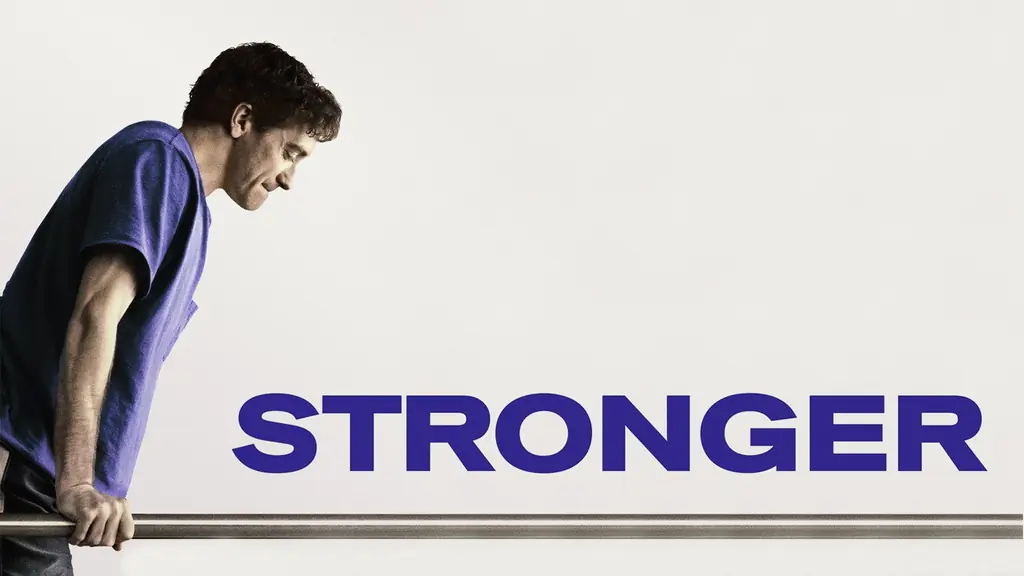
Forget the grand, sweeping narratives of heroism; Stronger dives headfirst into the intensely personal aftermath of tragedy. This isn't a film about the Boston Marathon bombing itself – that ground was covered with "Patriots Day." Instead, it zeroes in on one man, Jeff Bowman, played with searing vulnerability by Jake Gyllenhaal, and his arduous, often agonizing, road to recovery after losing both his legs.
What sets Stronger apart is its refusal to sugarcoat the journey. It strips away the "Boston Strong" banners and heroic headlines, instead showing how a real person grapples with an unwanted spotlight and the brutal reality of physical and emotional rehabilitation. This is a story that understands strength isn't just about overcoming, but about confronting profound vulnerability.
The Lead Dynamic & The Action
At the heart of Stronger is Jake Gyllenhaal's absolutely captivating performance. He delivers another masterclass, proving once again why he's considered one of the best actors working today. His portrayal of Jeff Bowman is raw, unflinching, and deeply human, showcasing the despair, frustration, and slow, painful stages of acceptance. From the outset, his character is so relatable that audiences are immediately invested in his struggle.
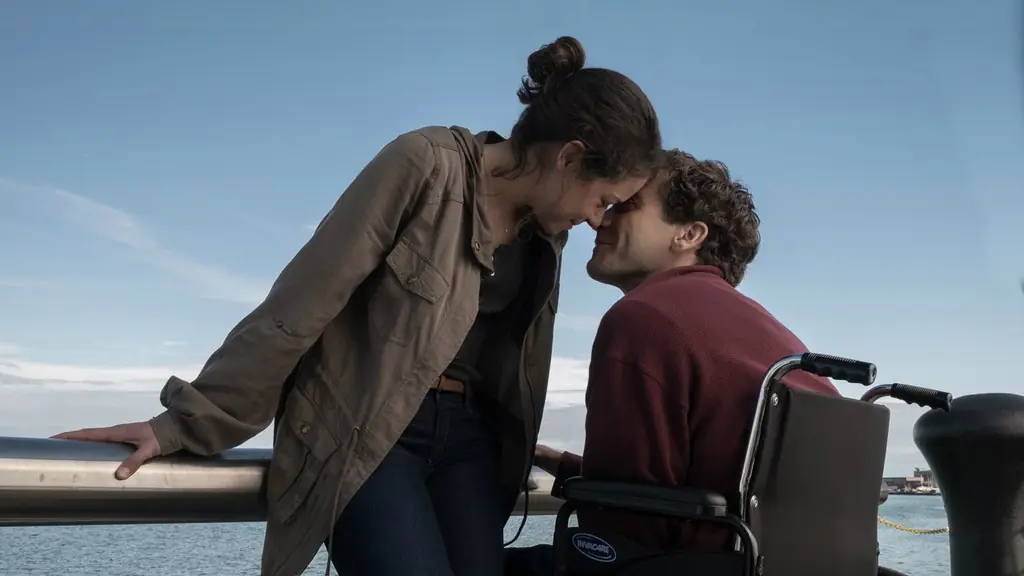
Alongside him, Tatiana Maslany shines as his on-again, off-again girlfriend. Her performance is equally strong, depicting the immense toll Jeff's ordeal takes on those closest to him. She serves as a rock and an inspiration, yet the film doesn't shy away from showing the immense difficulty and emotional strain this places on her. Their dynamic is a crucial anchor, illustrating that trauma reverberates far beyond the immediate victim.
Cameos, Nostalgia & Narrative Stakes
One of the film's most interesting, albeit double-edged, aspects is its focus on Jeff's large family. The filmmakers clearly intended to show how such a devastating event impacts an entire support system, and in that, they succeed. It's a powerful reminder that recovery is a communal effort, affecting everyone in the periphery. However, this extensive focus on the family, while insightful, occasionally detracts from Jeff Bowman's intensely personal narrative. There are moments where the sheer volume of family interactions feels like it pulls focus from the central character's internal battle, creating a slight imbalance in the storytelling.
Tone, Direction & Creative Freedom
David Gordon Green directs Stronger with a commitment to realism that permeates every frame. The tone is often somber, reflecting the "realistic frustrated take of recovery." Much of the film feels like a "downward spiral," immersing the viewer in Jeff's anger and despair. This unflinching honesty is a major strength, refusing to offer easy answers or quick fixes.
While the film masterfully builds this sense of struggle, some might wish for a more pronounced shift towards optimism in the final act. After so much frustration and anger, a more extended depiction of Jeff "crawling out of the despair" could have provided a more satisfying emotional arc. Nevertheless, the film does conclude on an optimistic note, leaving audiences with a sense of hope, even if it feels hard-won.
The Final Verdict
Stronger is a compelling, often crushing, and deeply thoughtful drama. It's a testament to the human spirit's capacity for resilience, even when faced with unimaginable odds. This is a film that doesn't just tell a story; it makes you feel it. It's a powerful, realistic portrayal of a journey that is both tragic and ultimately, very inspiring. It's absolutely worth watching for its raw honesty and phenomenal performances.
What Worked
- Jake Gyllenhaal's powerful, vulnerable performance anchors the film.
- Offers a realistic, unflinching portrayal of recovery's emotional and physical toll.
- Effectively highlights the profound impact of trauma on loved ones and support systems.
- Stripping away the "hero" narrative for a raw, human story of resilience.
What Didn't Work
- Extensive focus on the family occasionally overshadows the protagonist's personal journey.
- The pacing can feel relentlessly bleak, with prolonged periods of "downward spiral."
- Could have offered a more extended or pronounced optimistic resolution after intense struggle.



