Introduction
Texas Chainsaw 3D arrived in 2013 with the bold claim of being the true, official sequel to the original 1974 slasher classic, effectively erasing decades of follow-ups and reboots. The ambition was clear: to return to the roots while offering something fresh. However, from the outset, it becomes painfully clear that this cinematic endeavor struggles to find its footing, delivering a viewing experience that is less a triumphant return and more a baffling misstep.
The Lead Dynamic & The Action
The film's casting prioritizes aesthetics over acting prowess, featuring a parade of attractive young talent, including Alexandra Daddario, whose characters are often framed more for their visual appeal than their dramatic contribution. The reviewer notes the abundance of "hot chicks" as a superficial positive, quickly dismissing it as irrelevant to the film's quality. Unfortunately, the performances are largely forgettable, with dialogue that feels forced and uninspired. When it comes to the action, the film's production values frequently falter. A particularly egregious scene involves a character being sliced in half by Leatherface, where the lack of movement from the "victim" clearly exposes it as a static dummy. This glaring oversight shatters any illusion of realism, reminding audiences that even in the 2000s, such basic production flaws were still present.
Cameos, Nostalgia & Narrative Stakes
The plot, revolving around a young woman inheriting a mansion that, predictably, houses Leatherface, feels like a flimsy excuse for the carnage. The script is described as "abysmal," with dialogue that fails to engage or convince. Beyond the narrative shortcomings, the film introduces a baffling time paradox that actively undermines its own premise. Positioned as a direct sequel to a 1974 film, the main character appears to be around 19 years old, suggesting the events take place in the early 1990s. Yet, a scene features a police officer wielding a smartphone, an anachronism that pulls viewers out of any immersion. This glaring inconsistency forces viewers to question the film's internal logic, highlighting a fundamental lack of attention to detail.
Tone, Direction & Creative Freedom
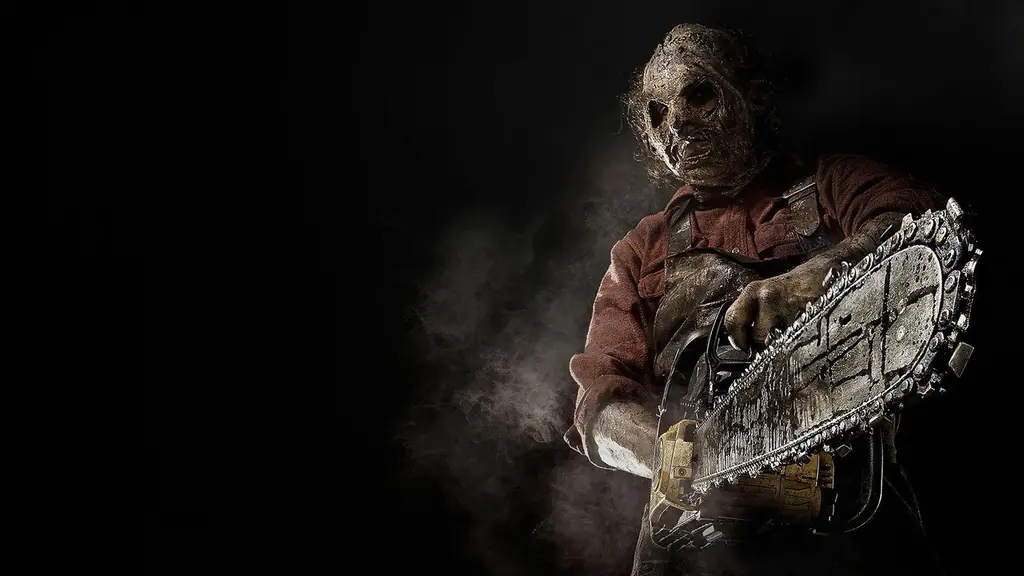
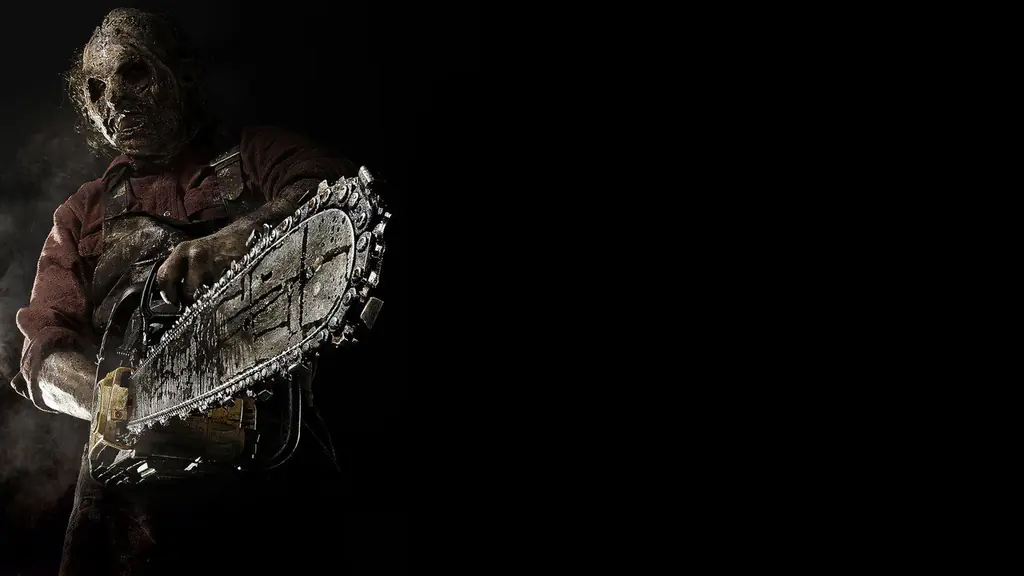
Under the direction of John Luessenhop, the film struggles to establish a consistent tone or compelling vision. The overall impression is one of a production destined for a straight-to-DVD release, not a theatrical run, with the only justification for its big-screen presence being the obligatory 3D gimmick. The reviewer points out how Leatherface's chainsaw swings are exaggerated for the 3D effect, a transparent attempt to capitalize on a trend rather than enhance the storytelling. This reliance on superficial tricks over substantive filmmaking leaves the audience with a sense of disappointment, suggesting a lack of creative freedom or, perhaps, a fundamental misunderstanding of what made the original so impactful.
The Final Verdict
Ultimately, Texas Chainsaw 3D is a film that fails on multiple fronts. Despite its attempt to reset the franchise and deliver a fresh take, it succumbs to poor acting, a nonsensical script, and glaring production flaws. It's a cinematic experience that the reviewer strongly advises against, concluding that no one should have to think about this film as much as they did. For those seeking a genuinely thrilling or coherent slasher, this entry is best left in the annals of forgotten sequels.
What Worked
- Attempts a direct sequel connection to the original classic.
- Features a visually appealing, attractive young cast.
- Delivers on the promise of Leatherface and chainsaw action.
- Employs 3D for a more "immersive" (if gimmicky) experience.
What Didn't Work
- Abysmal script and terrible dialogue.
- Poor acting from the main cast.
- Glaring production flaws (e.g., static dummy scene).
- Confusing and inconsistent timeline/time paradox.
- Relies heavily on a dated 3D gimmick.
- Feels like a straight-to-DVD release.