Introduction
The Call arrived with the promise of a high-stakes thriller, pitting a seasoned 911 dispatcher against a relentless kidnapper. Audiences were primed for a nail-biting race against time, with Halle Berry at the helm, navigating a crisis that echoes a past tragedy. The setup is classic: a dispatcher, haunted by a previous failure, finds herself on the line with a young girl, Abigail Breslin, trapped and terrified. This isn't just another call; it's a shot at redemption, a chance to right a past wrong. The initial premise, on paper, is undeniably intriguing, setting the stage for a tense, confined drama where every second counts and every decision carries immense weight. It’s a scenario designed to keep you on the edge of your seat, wondering how a single voice on the other end of a phone line can possibly save a life.
The Lead Dynamic & The Action
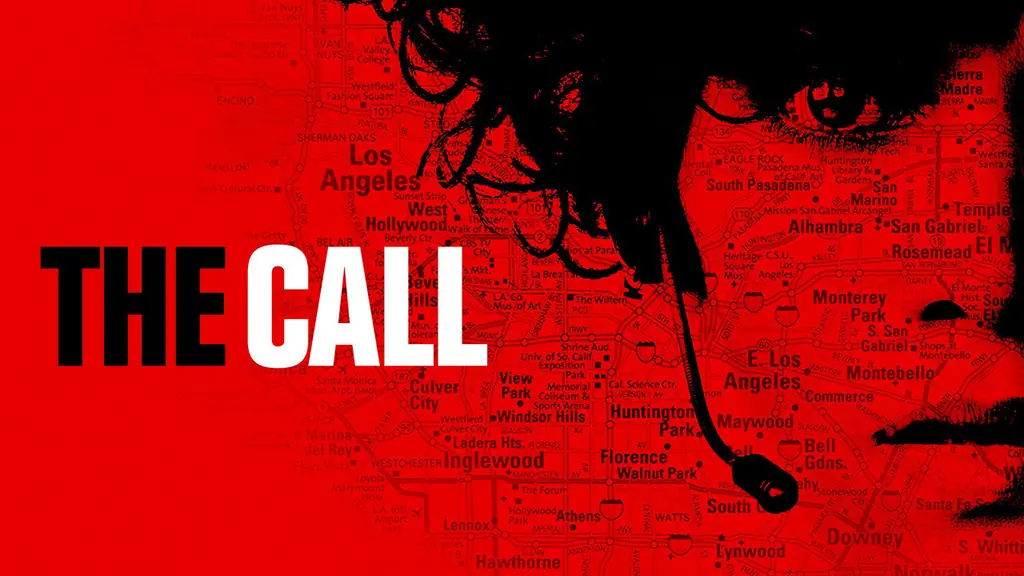
The core of The Call hinges on the desperate phone calls between Halle Berry's character and Abigail Breslin's kidnapped teen. For much of the runtime, the film confines its tension to this auditory link, with Breslin's character trapped in the trunk of a car, guided by Berry's instructions. This dynamic, while initially engaging, struggles to maintain its grip. While Halle Berry delivers a "fine" performance, it's noted that the role itself isn't particularly demanding or memorable. Any capable actress could have stepped into the shoes of the guilt-ridden dispatcher. There's a distinct lack of a standout, iconic turn that elevates the material beyond its "Grade B" thriller aspirations. The action, largely confined to the car and the dispatcher's frantic efforts, never truly escalates into anything groundbreaking. While the concept of a girl trying to signal for help from a moving vehicle is inherently tense, the execution often feels generic. There are no specific, memorable action sequences or visual moments that truly pop, leaving the audience with a sense that while the film is "entertaining while watching it," it ultimately "nothing stands out." The chemistry between the two leads, while functional, doesn't spark the kind of emotional resonance that would make their struggle truly unforgettable. It's a serviceable portrayal of a dire situation, but one that ultimately fades from memory once the credits roll.
Cameos, Nostalgia & Narrative Stakes
The Call positions itself as a straightforward kidnapping thriller, but it struggles to carve out a unique identity. The narrative, while maintaining a brisk pace, often feels like a "99 cent Grade B version of a really good kidnapping movie." The film introduces a "total crazy Norman Bates type guy" as the antagonist, played by Michael Eklund. While his portrayal is certainly unsettling, the character lacks depth beyond his inherent "craziness." He's a villain who is crazy simply "because he's crazy," offering little in the way of motivation or complexity that would elevate the stakes beyond a simple cat-and-mouse chase. The film doesn't lean on excessive cameos or nostalgia, instead focusing on its core premise. However, this focus doesn't translate into particularly high narrative stakes. The tension, while present, never quite reaches a fever pitch. The plot points feel predictable, and the character arcs, particularly for Halle Berry's dispatcher, take a sharp, illogical turn in the final act. This shift undermines any genuine investment the audience might have built, transforming a potentially gripping thriller into something far more contrived. The balance between maintaining a thrilling pace and delivering a believable narrative is lost, particularly as the film progresses towards its deeply problematic conclusion.
Tone, Direction & Creative Freedom
Brad Anderson's direction in The Call maintains a consistent, if unremarkable, tone for much of its runtime. The film aims for a gritty, intense atmosphere, but it's in the handling of the third act where the creative choices truly falter. The pacing, initially tight and suspenseful, unravels dramatically as the narrative veers into what can only be described as the "Hal Berry show," transforming her character into a "one chick Army of not cop." This abrupt shift feels entirely "out of character" for a dispatcher who is initially portrayed as "by the book." It suggests a creative freedom that, in this instance, was perhaps misguided or poorly executed. The film abandons any pretense of realism or legal consequence, opting instead for a "girl power moment" that, while perhaps intended to be empowering, comes across as deeply illogical and legally indefensible. The reviewer highlights the absurdity of the situation: a 911 dispatcher and a teenage victim taking justice into their own hands, chaining up the killer and leaving him to die. This decision not only strains credulity but also raises serious questions about the characters' judgment and the film's understanding of legal repercussions. The argument that such an act "wouldn't work logically" and "legally wouldn't work" is a significant critique, pointing to a fundamental breakdown in the film's internal consistency. It's a choice that makes the audience question the intelligence of the characters and the narrative itself, leading to a conclusion that is not only "terrible" but also makes the entire film "forgettable." The direction, in attempting to deliver a shocking or satisfying revenge fantasy, instead delivers a finale that actively detracts from any enjoyment derived from the preceding events.
The Final Verdict
The Call is a film that starts with a compelling hook but ultimately collapses under the weight of its own ambition, particularly in its final moments. While it offers fleeting entertainment, it's the kind of movie that is "entertaining while I'm watching it but it's forgettable." The initial tension of Halle Berry's dispatcher guiding Abigail Breslin through a terrifying ordeal is a strong foundation, but the film squanders this potential with a third act that is not only "all cliche" but also fundamentally flawed. The decision for Halle Berry's character to abandon her professional ethics and engage in a vigilante act is a narrative misstep of epic proportions. It's "out of character" and creates a scenario that is both "illogical" and legally absurd. The reviewer's detailed breakdown of why this ending fails—from the implausibility of a teenage girl lying to the police to the legal ramifications for the dispatcher—underscores just how poorly conceived this resolution is. It's a "sloppy" conclusion that leaves a lasting impression of dissatisfaction, making it a film that "you're not going to remember it in two minutes" and certainly "never going to suggest this movie to anyone." For those seeking a truly gripping and coherent thriller, The Call ultimately disappoints, proving that even a strong premise can be undone by a poorly executed finale.
What Worked
- Intriguing premise of a 911 dispatcher guiding a kidnapping victim.
- Initial moments of tension are engaging.
- Halle Berry delivers a serviceable performance.
- Maintains a brisk pace for much of its runtime.
What Didn't Work
- Extremely illogical and out-of-character third act.
- The ending is legally absurd and undermines the entire film.
- Ultimately forgettable, despite initial entertainment.
- Villain lacks depth beyond being generically "crazy."
- Feels like a "Grade B" version of better thrillers.