Introduction
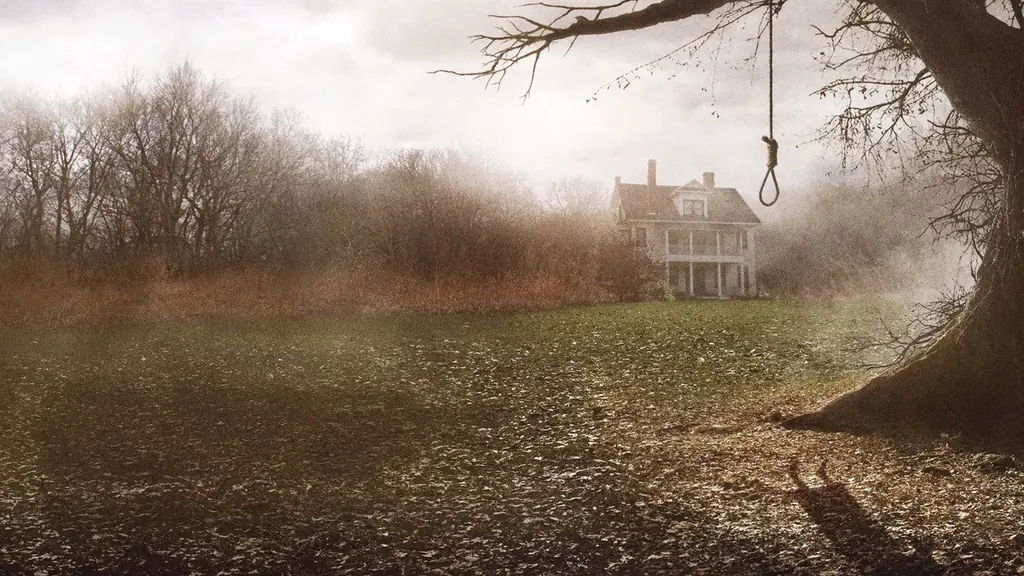
From the visionary director James Wan, known for his work on "Saw" and "Insidious," comes The Conjuring, a film that arrived with the promise of redefining modern horror. It's a familiar setup: a family moves into a new home, discovers unsettling trinkets, and soon finds themselves terrorized by malevolent entities. Yet, despite treading well-worn ground, this film manages to carve out a terrifying niche, proving that execution can elevate even the most classic of horror tropes.
The Lead Dynamic & The Action
The heart of The Conjuring lies with its paranormal investigators, the Warrens, portrayed by Patrick Wilson and Vera Farmiga. What makes them compelling is their initial skepticism; they approach each case as debunkers, only accepting the supernatural when all other explanations fail. This grounded approach builds immense trust with the audience, making the moments when they genuinely believe in a haunting all the more chilling. The film excels in its ability to build tension, often panning the camera into dark corners, leaving viewers on edge. The performances are universally strong, particularly from the child actors like Sterling Jerins and Mackenzie Foy, who convincingly convey sheer terror, drawing the audience deeper into their nightmare.
Cameos, Nostalgia & Narrative Stakes
The Conjuring proudly boasts an R-rating, not for gratuitous gore, nudity, or language, but purely for its ability to scare. This commitment to psychological terror over shock value is a bold statement. The film embraces a slow, deliberate build-up, a characteristic often found in the most effective haunting narratives. This pacing allows dread to fester, creating a palpable sense of unease. However, the film isn't without its minor stumbles. The trailer, unfortunately, revealed too many of the film's key scares, diminishing the impact of some tension-filled sequences. When the audience can piece together what's coming, the fear of the unknown, which is crucial to this genre, is significantly lessened. While the execution is stellar, the core formula remains familiar, offering little in the way of groundbreaking originality.
Tone, Direction & Creative Freedom
James Wan's direction is a masterclass in atmospheric horror. He crafts a world where every creak and shadow feels menacing, transforming mundane household noises into sources of genuine fright long after the credits roll. The film's effectiveness lies in its ability to get under the skin, making viewers question every ambient sound in their own homes. It's a testament to Wan's skill that he can take a well-trodden path and infuse it with such potent, lingering dread. The film's climax, while intense, feels somewhat abrupt, leaving a desire for a more definitive resolution.
The Final Verdict
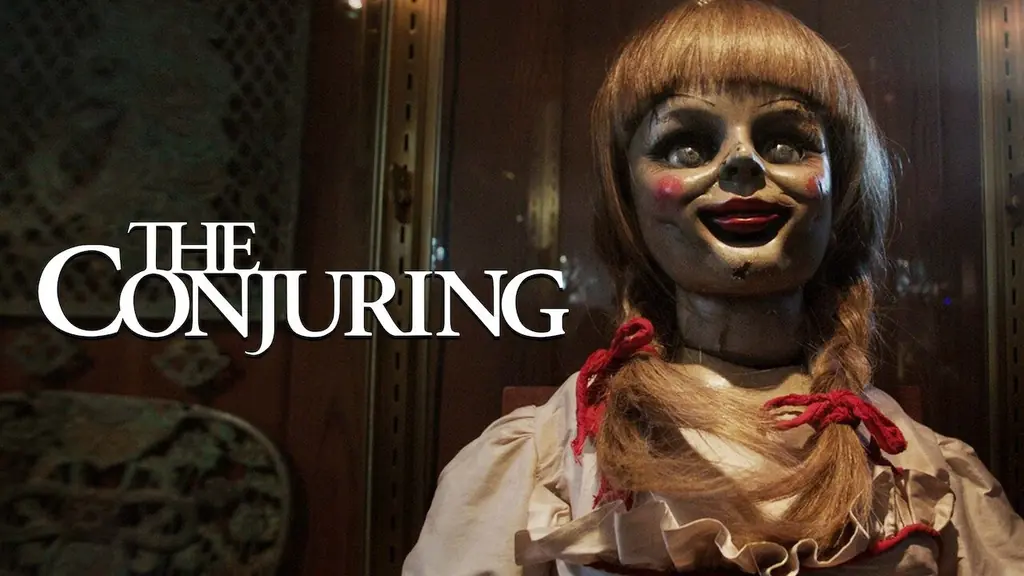
The Conjuring is a genuinely effective horror film that delivers on its promise of scares. It may not reinvent the wheel, but its exceptional execution, strong performances from Vera Farmiga, Patrick Wilson, Lili Taylor, and Ron Livingston, and relentless tension make it a must-watch for genre fans. Gather some friends, turn off the lights, and prepare for a chilling experience that will make you jump at every bump in the night. It's a film worth owning for those annual Halloween fright-fests.
What Worked
- Exceptional tension building and atmospheric dread
- Strong, believable performances from the entire cast, especially the child actors
- R-rating earned purely through effective scares, not gratuitous content
- Masterful direction by [[person:2127|James Wan]]
- Transforms everyday sounds into sources of lingering fear
What Didn't Work
- Familiar haunted house formula lacks originality
- Trailer revealed too many key scares, reducing impact
- Climax feels somewhat abrupt, leaving a desire for more resolution