Introduction: Hook the reader immediately. Talk about the hype, the setup, and what audiences were anticipating.
Anticipation for The Dark Knight was palpable. After Gary Oldman's Jim Gordon handed Christian Bale's Batman a Joker card at the close of Batman Begins, the stage was set. Fans, desperate for a glimpse, flocked to IMAX screenings of I Am Legend just to catch the opening five minutes: a chilling bank robbery orchestrated by the Joker's crew. This sequence, where the Joker systematically eliminates his own men before revealing himself, immediately signaled that Gotham was about to face a new, terrifying brand of anarchy. The initial skepticism surrounding Heath Ledger's casting as the Clown Prince of Crime quickly evaporated with the first teaser, his gravelly "starting tonight, people will die... I'm a man of my word" cementing a performance that would redefine the character.
The Lead Dynamic & The Action
Heath Ledger's Joker is an unstoppable force, a hurricane of chaos that descends upon Gotham at its most vulnerable. His introduction to the mob, crashing their "ghetto ass board meeting," is nothing short of iconic. The infamous "magic trick" with a pencil isn't just a moment of shocking violence; it's a declaration of intent, a visceral demonstration of his nihilistic worldview. The sheer audacity of the scene, punctuated by the audible "splat" before the "thud," left audiences gasping and, for some, morbidly laughing. This Joker isn't driven by logic or traditional villainous ambition; as Alfred astutely observes, some men "just want to watch the world burn."
This unhinged antagonist provides the perfect foil for Batman, forcing him to confront a foe who operates outside his established rules. The dynamic between Christian Bale's stoic Dark Knight and Heath Ledger's unpredictable Joker is electric, a constant push and pull that elevates every scene they share. The film also expertly balances this with the rise of Aaron Eckhart's Harvey Dent, the "White Knight" of Gotham, whose initial gung-ho optimism for cleaning up the city provides a stark contrast to the encroaching darkness.
Cameos, Nostalgia & Narrative Stakes
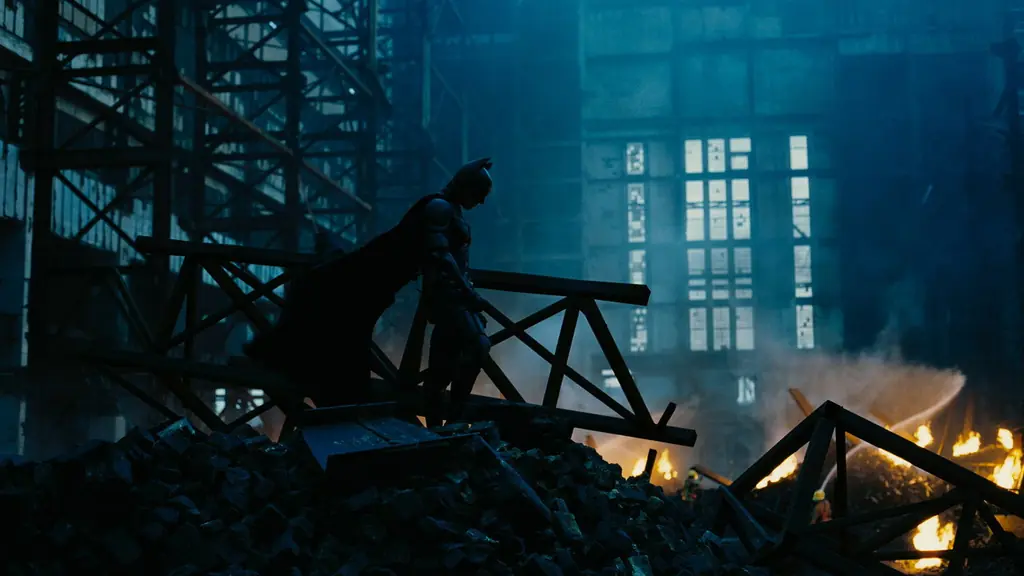
The Dark Knight grounds its narrative in the gritty reality of Gotham's criminal underworld, focusing on the mob as the primary threat before the Joker fully unleashes his reign of terror. This approach, which some initially mistook for a "cop show" lacking supervillains, is deeply rooted in established Batman lore, particularly drawing inspiration from "The Long Halloween" comic series. The film understands that to truly clean up Gotham, one must dismantle its foundational criminal enterprises.
While the film is dense with plot, it never feels bogged down. Even when the Joker isn't on screen, his presence looms large, and the audience remains invested in the intricate workings of how Batman, Gordon, and Dent plan to restore order. A notable casting change saw Maggie Gyllenhaal step into the role of Rachel Dawes, a decision that, for many, proved to be a significant upgrade. Gyllenhaal brings a gravitas and intelligence to the character that makes her relationship with both Bruce Wayne and Harvey Dent feel more authentic and impactful.
Tone, Direction & Creative Freedom
Christopher Nolan's direction is masterful, crafting a film that is both epic in scope and intensely personal. The tone is relentlessly dark and serious, yet punctuated by moments of shocking, almost black humor courtesy of the Joker. Nolan commits to a grounded realism, even in the face of fantastical elements. The transformation of Harvey Dent into Two-Face, for instance, is depicted with a horrifying, visceral authenticity that far surpasses previous cinematic interpretations. The makeup is genuinely disturbing, showcasing exposed tendons and raw flesh, a stark departure from more stylized portrayals.
This commitment to realism extends to the Joker's motivations, or lack thereof. His shifting origin stories for his scars are not plot holes but rather a deliberate choice to portray him as a force of nature, an agent of chaos who acts "just because he can." This approach, combined with the film's focus on the legal and criminal justice aspects of Gotham, demonstrates a creative freedom that allowed Nolan to push the boundaries of the superhero genre, delivering a mature and complex narrative.
The Final Verdict
The Dark Knight is a monumental achievement, a film that not only lives up to its immense hype but surpasses it. It's a relentless, intelligent thriller that uses the superhero framework to explore profound themes of order, chaos, heroism, and villainy. While some might wish for more screen time for Two-Face after his compelling transformation, the film's commitment to its narrative and realistic consequences means his arc, though brief, is impactful and definitive. This is more than just a superhero movie; it's a benchmark for cinematic storytelling, earning its place as arguably the greatest superhero film ever made. It delivers on every promise, leaving an indelible mark on its audience and the genre as a whole.
What Worked
- [[person:1810|Heath Ledger]]'s iconic, transformative performance as the Joker
- A gritty, realistic take on the superhero genre rooted in established lore
- Compelling character dynamics between Batman, Joker, and Harvey Dent
- Intense, well-choreographed action sequences and shocking moments
- [[person:525|Christopher Nolan]]'s masterful direction and commitment to realism
What Didn't Work
- Two-Face's arc, while impactful, feels somewhat brief
- The film's dense plot requires full attention to appreciate its nuances