Introduction
After years of anticipation, The Dark Knight Rises arrived as the third and final chapter in Christopher Nolan's acclaimed Batman trilogy. Set a full eight years after the events of The Dark Knight, the film plunges back into a Gotham City that has achieved a fragile peace, built upon a lie. The lingering effects of Harvey Dent's tragic fall and the Joker's chaos still ripple through the city, and the characters, including a reclusive Bruce Wayne, are visibly grappling with this complex legacy. This isn't a simple continuation; it's a thoughtful exploration of where these iconic figures stand after nearly a decade, setting the stage for a new, formidable threat.
The Lead Dynamic & The Action
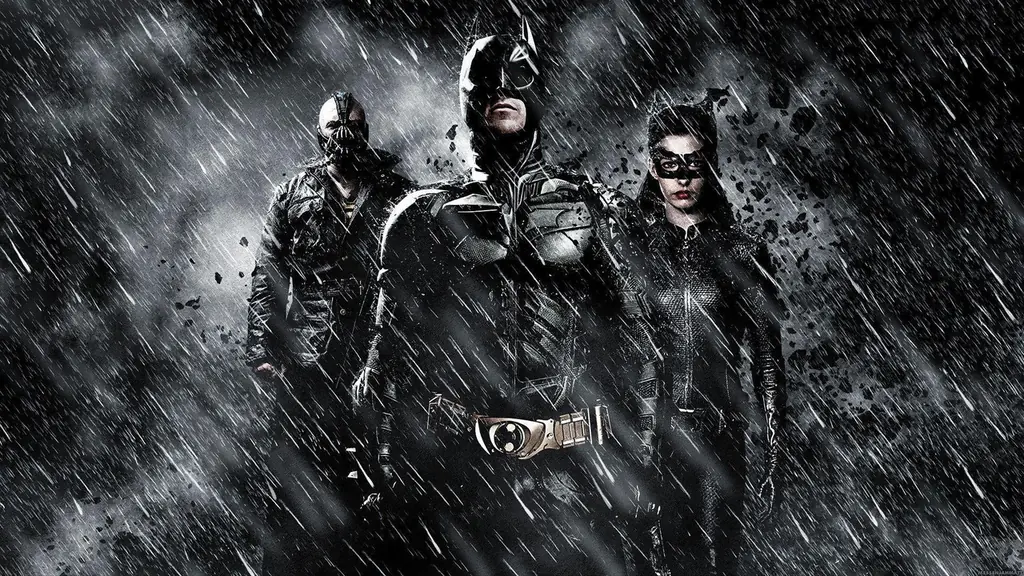
Stepping into Gotham's shadows is Bane, portrayed with chilling intensity by Tom Hardy. This isn't just another thug; Bane is undeniably the biggest threat Gotham has ever faced. He's not only physically superior to Batman but also intellectually formidable, a point Alfred astutely observes. The creative decision to cover Bane's mouth with his mask while exposing his eyes proves incredibly effective, allowing Tom Hardy to convey immense menace and intensity through his gaze alone. While Bane's voice initially requires a moment of adjustment—much like getting used to 3D in a movie theater—it quickly becomes clear and impactful, driving home his terrifying resolve.
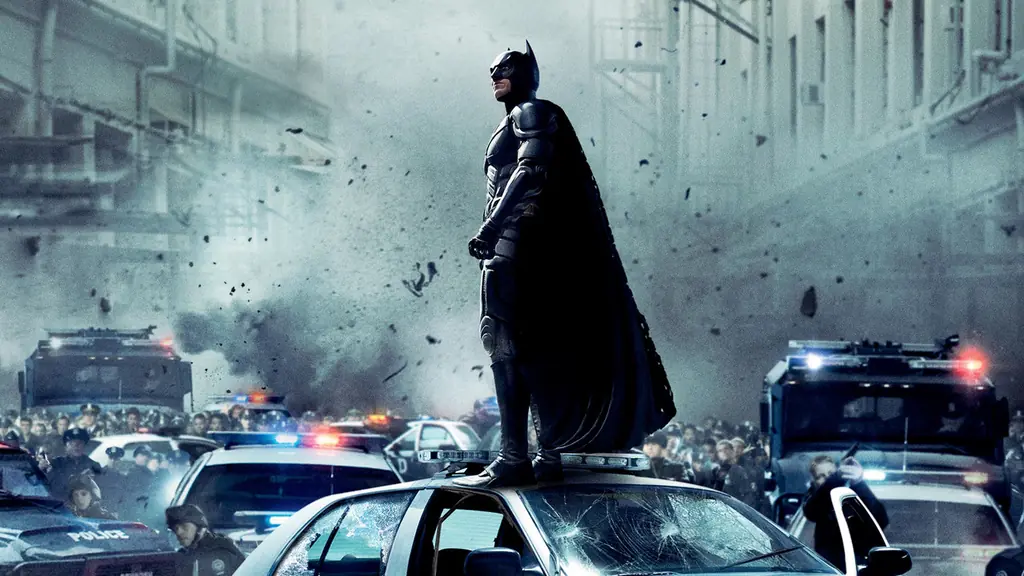
Meanwhile, Batman himself is a shadow of his former self. Eight years of absence have left Bruce Wayne rusty, almost outmatched from the start. He's forced to don the cape and cowl once more, not just as a suit, but to truly become the Dark Knight again, facing an opponent who feels "outleveled" compared to his current state. Yet, the film's biggest surprise and arguably its greatest triumph comes in the form of Anne Hathaway's Catwoman. She absolutely kicks complete asses, embodying a character that is manipulative, smart, cunning, and undeniably sexy. This Catwoman isn't just talk; she knows how to throw down, proving herself a formidable force and, for many, the definitive big-screen portrayal of the character.
Cameos, Nostalgia & Narrative Stakes
The Dark Knight Rises masterfully weaves its narrative, ensuring that even supporting characters feel relevant. Joseph Gordon-Levitt's idealistic cop, for instance, serves as a compelling blend of Jim Gordon and Harvey Dent. However, the film's expansive plot means some beloved characters receive less screen time than fans might hope. Michael Caine's Alfred, often the audience's emotional anchor and comedic relief, is notably sparse, a genuine missed presence. The narrative also employs a few "quick fixes"—moments where significant hurdles are overcome with a touch too much convenience, like a "magical robotic knee brace" that swiftly resolves a major problem.
Christopher Nolan takes considerable artistic license, particularly with Bane's origin story. While this might raise an eyebrow for strict comic book purists, the sheer epic scale and compelling narrative he delivers vastly outweigh any deviations. The film isn't afraid to go in unexpected directions, challenging audience expectations and refusing to simply rehash familiar beats.
Tone, Direction & Creative Freedom
Clocking in at two hours and forty-five minutes, The Dark Knight Rises is undeniably long, yet it never feels it. In fact, the pacing is so engrossing that many viewers might wish for even more, perhaps a three-and-a-half-hour director's cut. Christopher Nolan directs with a master's touch, guiding the story through complex emotional landscapes and explosive action sequences. The film's ability to surprise on an epic scale, taking turns that are genuinely unforeseen, is a testament to its creative ambition. This isn't just a sequel; it's a bold, decisive conclusion that showcases a director given the freedom to craft a truly grand finale.
The Final Verdict
The Dark Knight Rises stands as a truly satisfying and "awesome tacular" conclusion to an iconic trilogy. It's a rare feat for a third film in a comic book series to maintain such high quality, yet Nolan's final chapter delivers. While each film in the trilogy is distinct in tone and focus, The Dark Knight Rises solidifies the series as one of cinema's most compelling superhero sagas. It's an epic, surprising, and emotionally resonant ride that cements its place as a standout in the genre.
What Worked
- A truly satisfying and epic conclusion to the trilogy.
- [[person:2524|Tom Hardy]]'s Bane is a menacing, intellectually superior threat.
- [[person:1813|Anne Hathaway]] delivers a standout, ass-kicking Catwoman.
- Bold, unexpected plot directions keep the audience engaged.
- Expertly handles the 8-year gap and aftermath of previous events.
- Long runtime flies by, leaving you wanting more.
What Didn't Work
- Some minor "quick fixes" or plot conveniences.
- Less screen time for beloved characters like Alfred.
- Bane's voice requires initial adjustment for clarity.
- Artistic liberties with Bane's origin might irk comic purists.