Introduction: Hook the reader immediately. Talk about the hype, the setup, and what audiences were anticipating.
Sacha Baron Cohen arrived on the scene with a reputation for pushing boundaries, first with Borat and then Bruno, crafting mockumentaries designed to provoke and offend. So, when news broke of his next venture, The Dictator, anticipation was high. This time, however, the format shifted. Gone are the mockumentary antics, replaced by a more traditional narrative structure, albeit one still steeped in Cohen's signature brand of outrageous, stereotype-laden humor. The question on everyone's mind: could Cohen's shock-comedy translate effectively to a conventional film, or would it lose its bite?
The Lead Dynamic & The Action: Break down the chemistry between the main characters, the humor, and the action set pieces (highlighting specific standout fights and visual moments mentioned in the transcript).
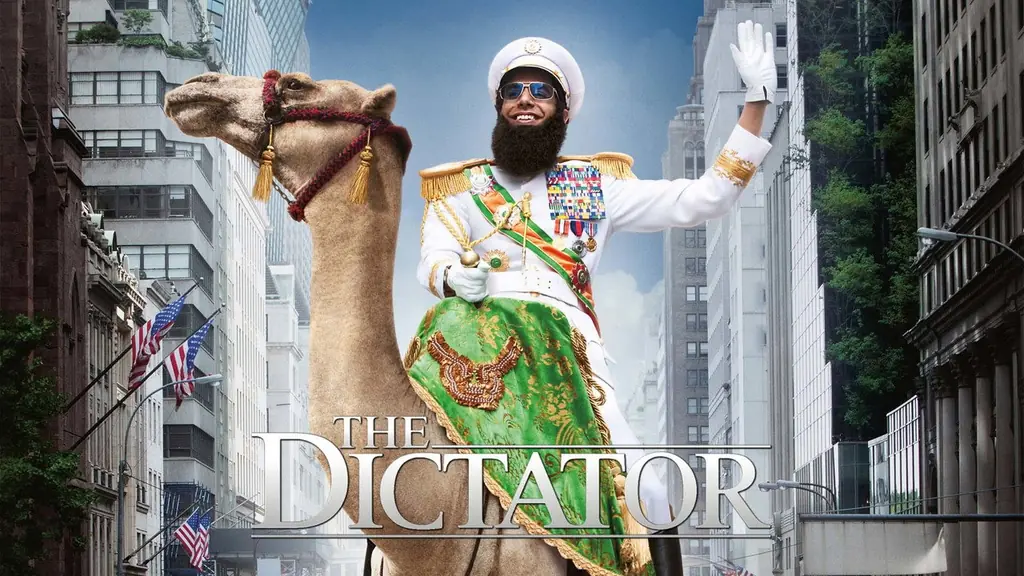
From the opening frame, The Dictator makes its intentions clear: no stereotype is safe. Cohen, as the titular dictator, dives headfirst into a comedic minefield, lampooning every conceivable cultural and political trope. The humor is broad, often crude, and unapologetically offensive, yet it lands with surprising consistency. The film's genius lies in its equal-opportunity offending; it skewers everyone, ensuring that if you're laughing at one group, you'll likely find your own stereotypes targeted moments later. This "equality at its finest" approach to humor is a core strength, eliciting genuine, often shocked, laughter. While the film doesn't boast intricate action sequences, its comedic set pieces are designed for maximum impact. However, the narrative often feels like a series of isolated jokes, with characters entering and exiting solely to deliver a punchline before the scene shifts. This episodic structure can hinder the overall flow, making the film feel less cohesive than it could be, yet for a Cohen vehicle, it's almost expected, and surprisingly, it works more often than not.
Cameos, Nostalgia & Narrative Stakes: Dive into the plot, the pacing, and the balance between fan-service/cameos and actual story stakes.
The Dictator doesn't shy away from its provocative nature. It's offensive, yes, but crucially, it intends to be offensive. This isn't a film that accidentally stumbles into controversy; it actively seeks it out. Understanding this intent is key to appreciating its comedic aims. The narrative, while present, largely serves as a framework for Cohen's comedic bits, rather than driving deep emotional stakes. Characters like Ben Kingsley and Anna Faris provide solid support, but the spotlight remains firmly on Cohen's outrageous persona. The film's pacing is brisk, moving from one absurd scenario to the next, ensuring there's rarely a dull moment, even if some jokes land harder than others. It's a film that prioritizes laughs over intricate plot development, a trade-off many fans of Cohen's style will readily accept.
Tone, Direction & Creative Freedom: Discuss how the director handles the tone, the pacing, and whether the studio allowed the filmmakers the freedom to go wild.
Under the direction of Larry Charles, who also helmed Borat and Bruno, The Dictator maintains a consistent tone of audacious satire. The film feels like a natural extension of Cohen's comedic sensibilities, suggesting a significant degree of creative freedom was granted. There's no sense of pulling punches; the humor is as raw and unfiltered as fans have come to expect. The direction ensures that the comedic timing is sharp, and Cohen's performance is unrestrained. It's clear that the filmmakers were allowed to "go wild," resulting in a movie that fully commits to its premise, however outlandish. This commitment is what ultimately sells the film's more outrageous moments, making them feel less like cheap gags and more like deliberate, if crude, social commentary.
The Final Verdict: An entertaining, decisive concluding recommendation.
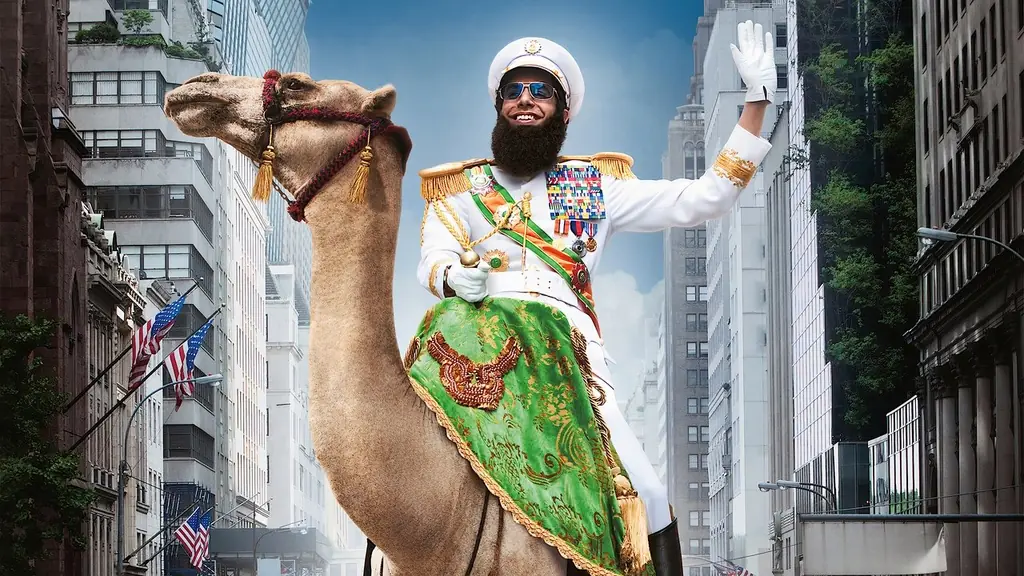
The Dictator is a film that knows exactly what it is and who it's for. It's a "good time" for those who appreciate Sacha Baron Cohen's unique brand of offensive, stereotype-smashing humor. While it might not deliver a single "wow factor" scene that lingers for months, it provides consistent, laugh-out-loud moments throughout. If you're a fan of his previous work and enjoy comedy that pushes boundaries without apology, then this is a genuinely funny experience that requires no alcohol to enjoy. However, if you're easily offended or prefer more subtle humor, this dictator's reign might not be for you.
What Worked
- Delivers consistent, laugh-out-loud moments.
- Sacha Baron Cohen's signature offensive humor is in full force.
- Successfully lampoons stereotypes across the board.
- A genuinely "good time" for fans of the genre.
What Didn't Work
- Episodic joke structure can hinder narrative flow.
- Lacks a truly memorable, "wow factor" scene.
- Humor is intentionally offensive and not for everyone.