
Introduction
The holiday season often brings with it a familiar green face, and 2018 saw the return of The Grinch to the big screen in animated form. Anticipation was high for a fresh take on Dr. Seuss's beloved tale, but the challenge of stretching a half-hour classic into a feature-length film loomed large. This latest iteration, directed by Yarrow Cheney, attempts to reintroduce the iconic curmudgeon, yet struggles to justify its extended runtime.
The Lead Dynamic & The Action
Stepping into the furry green shoes is Benedict Cumberbatch as the voice of the titular Grinch. However, his performance often falls flat, drawing comparisons to a "99-cent Dr. House" rather than the iconic grump. While the animation itself shines, particularly in moments of physical comedy, Cumberbatch's vocal delivery rarely elevates the character beyond a mere grumpy dude. One standout moment, frequently seen in trailers, features the Grinch in a store, eating a pickle, and then hilariously spitting it back into the jar before returning it to a lady's basket. This scene, while genuinely funny, owes its comedic punch more to the visual gags than to the voice acting.
Cameos, Nostalgia & Narrative Stakes
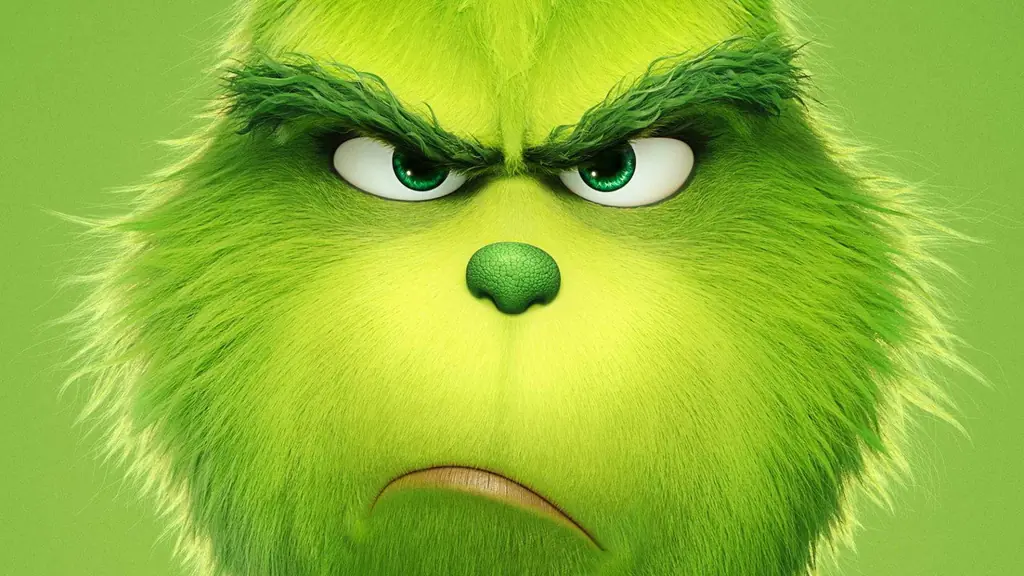
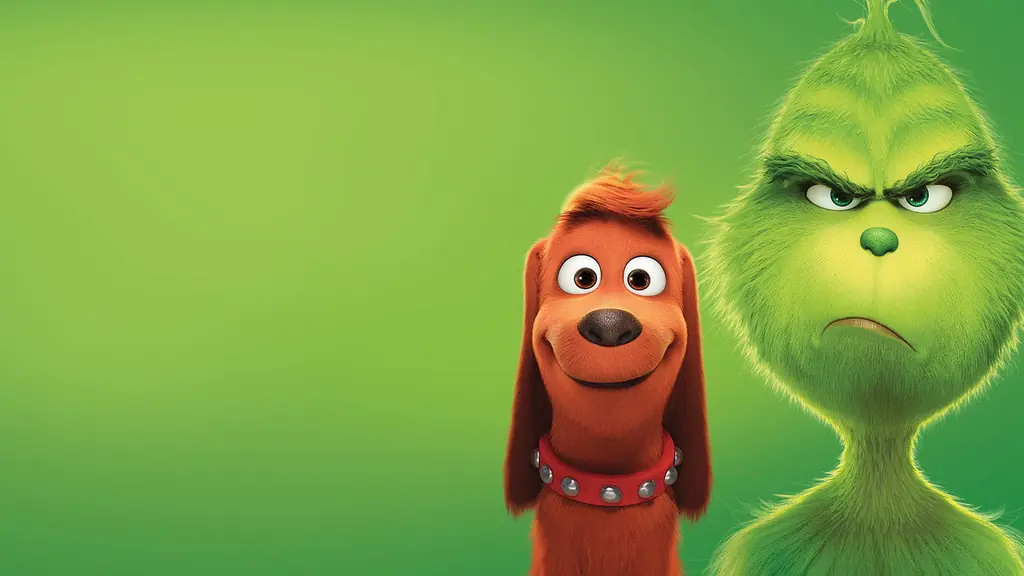
The film's most significant hurdle is its relentless padding. Much like other adaptations that stretch short stories, The Grinch invents scenarios to fill its runtime, often at the expense of the core narrative. The reviewer noted a preference for the Jim Carrey version's plot, where the Grinch's turn was rooted in feeling accepted before a crash. Here, the Grinch is surprisingly likable from the outset, petting his dog Max, smiling, and even allowing a character to leave to be with their family – actions that defy the very essence of the character. He comes across less as a villainous grump and more as a "grumpy old dude who lives alone," akin to Carl Fredricksen from 'Up,' whose heart of gold is evident long before its supposed growth. This attempt to make the Grinch relatable ultimately dilutes the stakes, turning a classic tale of redemption into a largely boring and forgettable experience, much like watching a film for one specific scene only to find it buried under hours of filler.
Tone, Direction & Creative Freedom
The direction attempts to strike a balance between the Grinch's inherent grumpiness and a desire to make him more human and relatable. While the intent to show a "human being would be grumpy" is clear, it inadvertently strips the character of his unique, exaggerated misanthropy. The film tries to address his "heart two sizes too small" but then presents a Grinch who performs kind acts before any significant change. This tonal inconsistency prevents the film from fully embracing either a truly mean-spirited Grinch or a genuinely heartwarming one, leaving it in an unsatisfying middle ground. The creative freedom seems to have been used to expand the story rather than deepen it, resulting in a narrative that feels stretched thin and lacks the punch of its source material.
The Final Verdict
Despite some visually appealing animation, this iteration of The Grinch struggles to leave a lasting impression. The pervasive padding and a Grinch who is too amiable for his own good lead to a surprisingly dull viewing experience. It's a film that risks fading from memory almost immediately, failing to capture the iconic spirit of Dr. Seuss's original tale. Viewers might find themselves nodding off, feeling their own hearts shrink from boredom rather than growing three sizes from holiday cheer.
What Worked
- Visually appealing animation in certain sequences.
- One genuinely funny, albeit brief, Grinch moment (the pickle scene).
- Attempts to make the Grinch more relatable for a modern audience.
What Didn't Work
- Excessive plot padding dilutes the classic story.
- The Grinch character is too soft and lacks his iconic grumpiness.
- Benedict Cumberbatch's voice performance feels uninspired.
- Overall boring and largely forgettable narrative.



