
A Stirring Look at Injustice in the Deep South
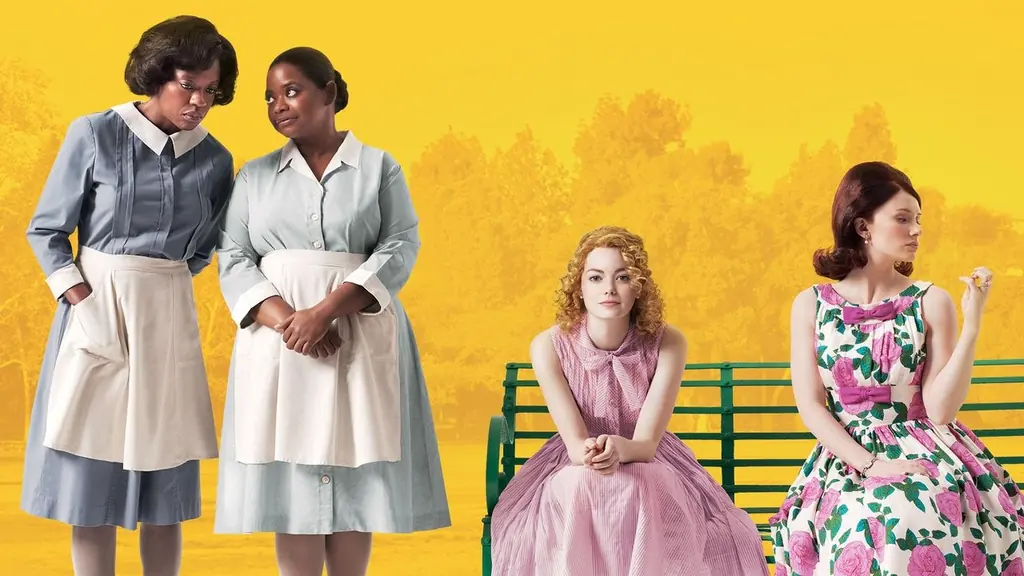
Step back into the good old Mississippi of the 1960s, a place etched into cultural memory by both literary giants and the stark reality of blatant racism. This is the setting for The Help, a film that plunges audiences into a pivotal era through the eyes of Emma Stone's character, Skeeter. Unlike the other "uppity chicks" of the time, notably embodied by Bryce Dallas Howard's character, Skeeter sees the egregious mistreatment of housemaids. These women, paid a pittance and subjected to mental abuse, belittlement, and segregation, are denied basic human dignity. Skeeter, a budding writer, recognizes the profound injustice and, channeling the wisdom of Dumbledore, chooses to do what is right, not what is easy: she decides to tell their stories.
Unforgettable Characters and Powerful Performances
What truly elevates The Help is its rich character work and the compelling dynamics between them. The film is a masterclass in well-written dialogue and exceptional acting, drawing viewers into its world. Skeeter's journey to befriend and gain the trust of the housemaids forms the emotional core. She encounters two distinct personalities: one, a quiet and initially hesitant woman (likely Viola Davis), who eventually shares her painful experiences under the strictest confidence, understanding the immense risk involved in 1960s Mississippi. The other, a fiery and outspoken individual (likely Octavia Spencer), who simply "can't keep her mouth shut" and frequently finds herself fired for speaking truth to power. This contrast provides both dramatic tension and moments of genuine, albeit dark, humor. The film's strength lies in its ability to make audiences connect deeply with these women, their struggles, and their quiet acts of defiance.

Confronting Apathy and Finding Your Voice
The Help is more than just a period piece; it's a powerful commentary on apathy. It challenges the audience to consider what happens when people "just sit by and just watch shitty things happen to people." The narrative stakes are clear: in a society where it was illegal to print anything suggesting racial equality, Skeeter's endeavor is fraught with danger and promises to make her many enemies, though it also garners her a few crucial allies. The film effectively portrays the oppressive atmosphere of the era, where speaking out was a radical act. It's a story about finding the courage to take action, to give a voice to the voiceless, and to challenge deeply entrenched societal norms.
A Lengthy, Yet Engaging, Character Study
Directed by Tate Taylor, The Help is undeniably a long film, clocking in at two hours and twenty minutes. While some might initially perceive this as a deterrent, especially for younger audiences accustomed to faster pacing, the film uses its runtime effectively. It's a character-based literary period piece, meaning it prioritizes depth and development over rapid plot progression. Despite its length, the narrative never truly drags. Every scene feels necessary, contributing to the rich tapestry of its characters and their intertwined destinies. It's the kind of drama that rewards patience, allowing viewers to fully immerse themselves in the emotional journeys unfolding on screen.
The Verdict: A Moving and Meaningful Watch
The Help is a genuinely good time, offering a compelling blend of drama, emotion, and even some unexpected laughs. It's a film that makes you laugh, gets you attached to its characters, and might even bring you to the brink of tears without apology. While it might not be the kind of movie one seeks out daily, it's a deeply touching and meaningful experience that leaves a lasting impression. For those willing to invest the time, it's a rewarding journey into a significant chapter of history, told through the lens of unforgettable human stories.
What Worked
- Exceptional performances from the entire cast, particularly the housemaids.
- Well-written script with engaging dialogue and character development.
- Powerful exploration of racial injustice and the courage to speak out.
- Successfully balances dramatic tension with moments of humor and heart.
- Engaging narrative that justifies its longer runtime.
What Didn't Work
- Its 2-hour-20-minute runtime may be a barrier for some viewers.
- The heavy subject matter might not appeal to all audiences seeking light entertainment.